
Last updated November 15, 2026
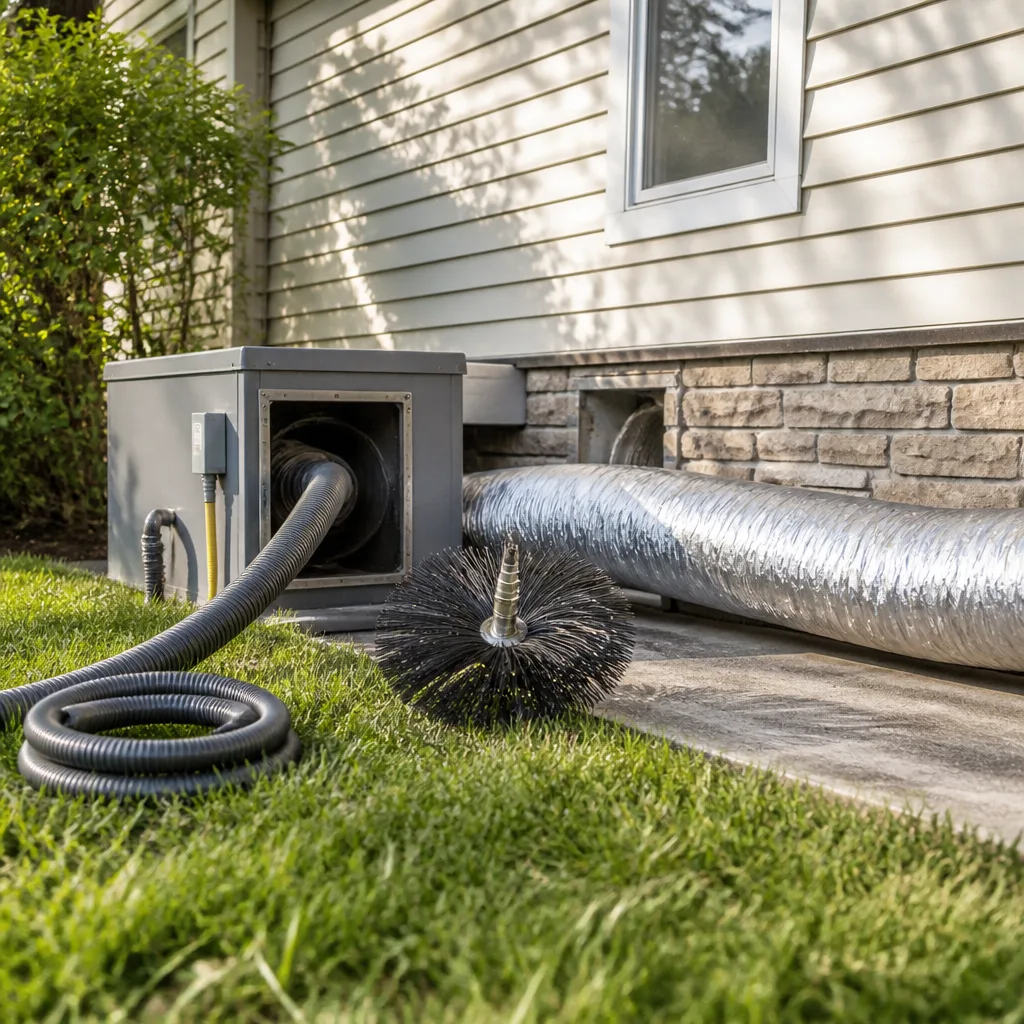 Whole-home duct cleaning
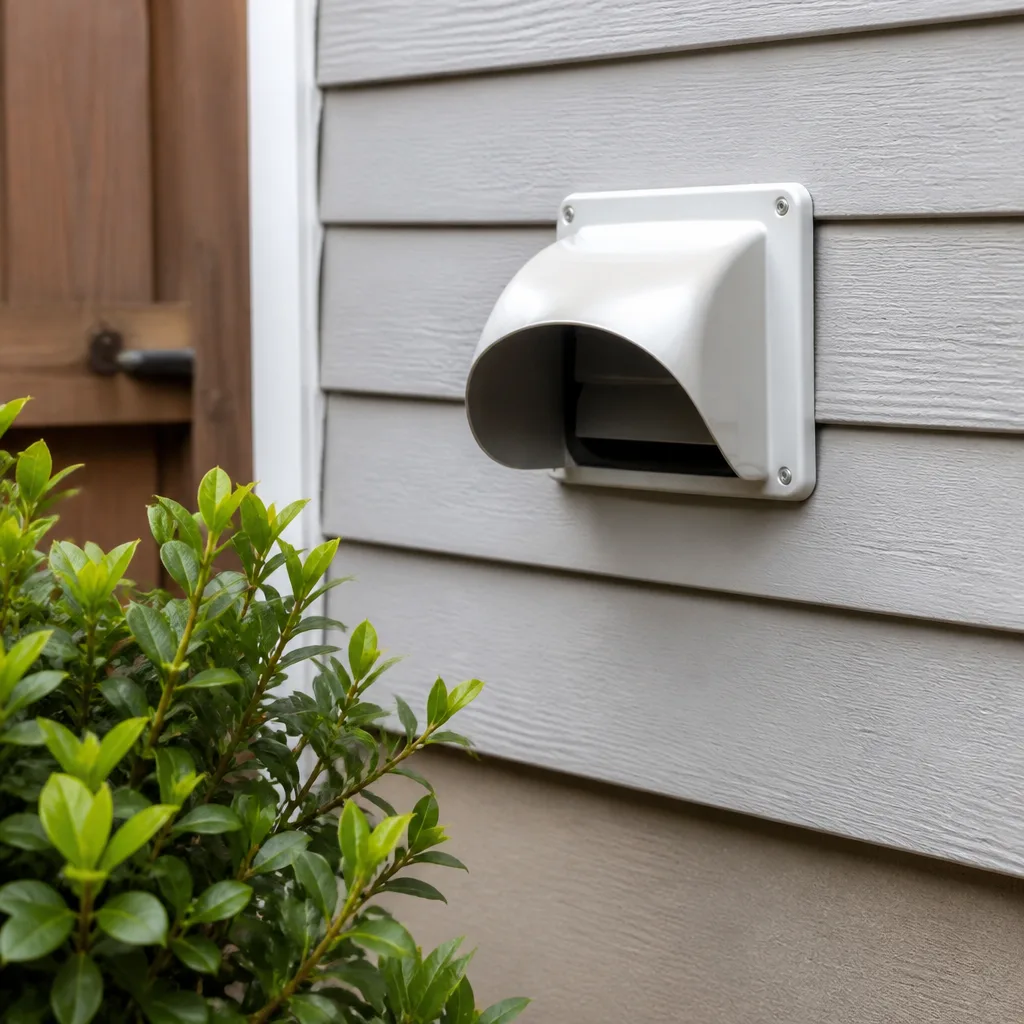 Dryer vent cleaning
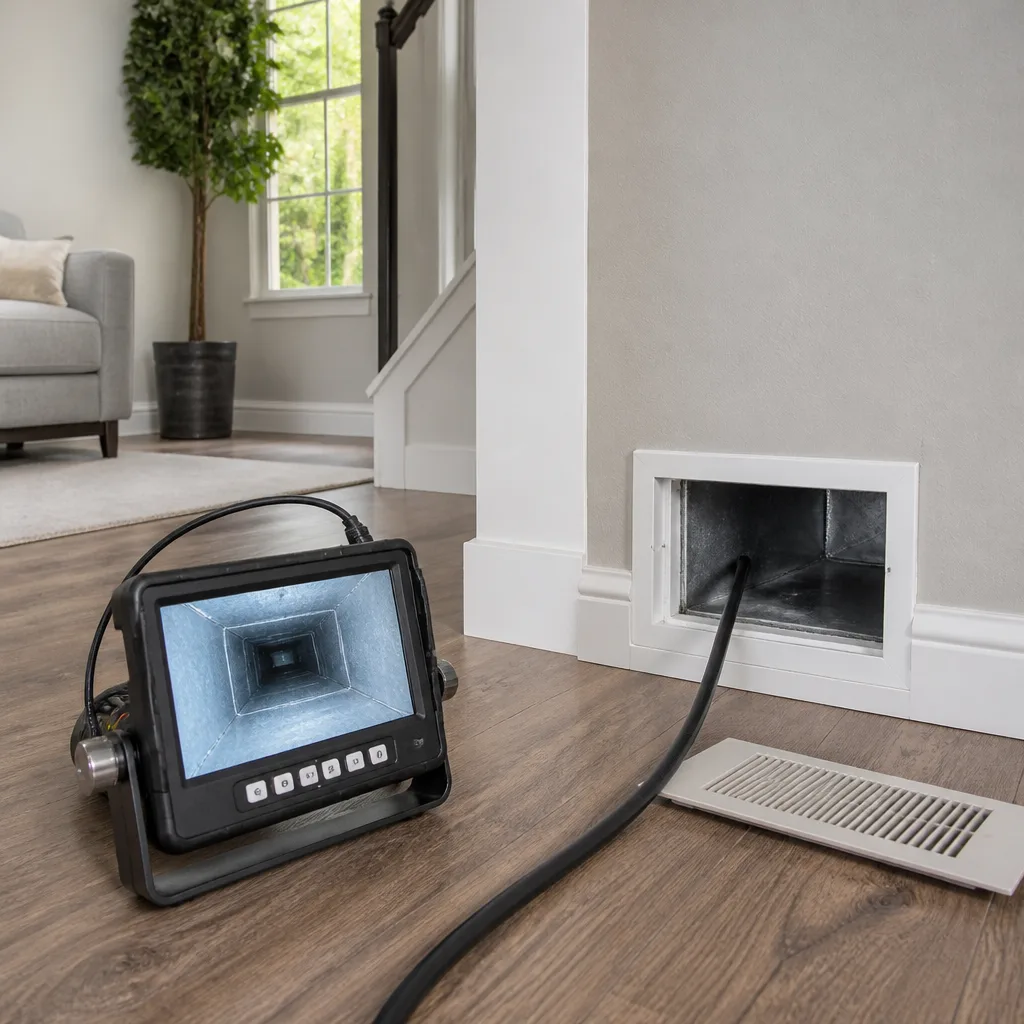 Camera inspection
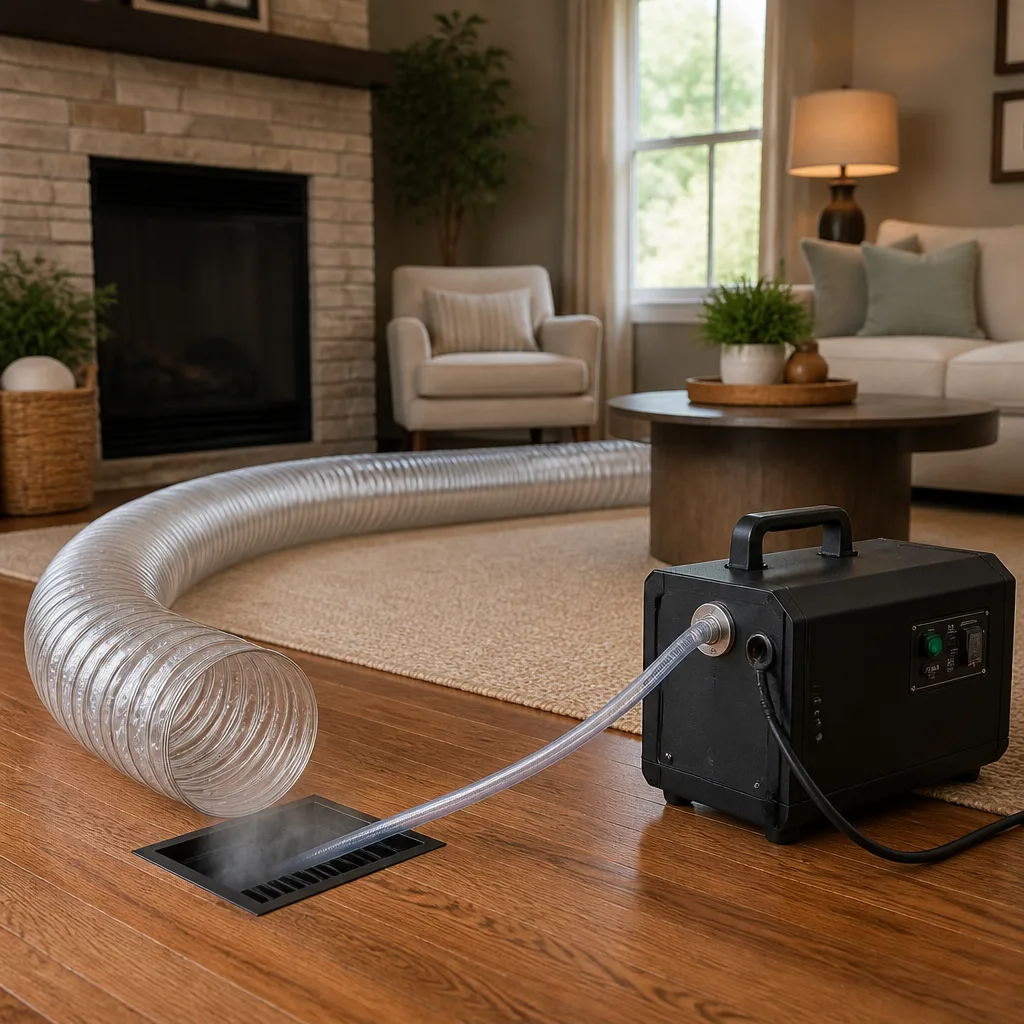 Sanitizing & deodorizing
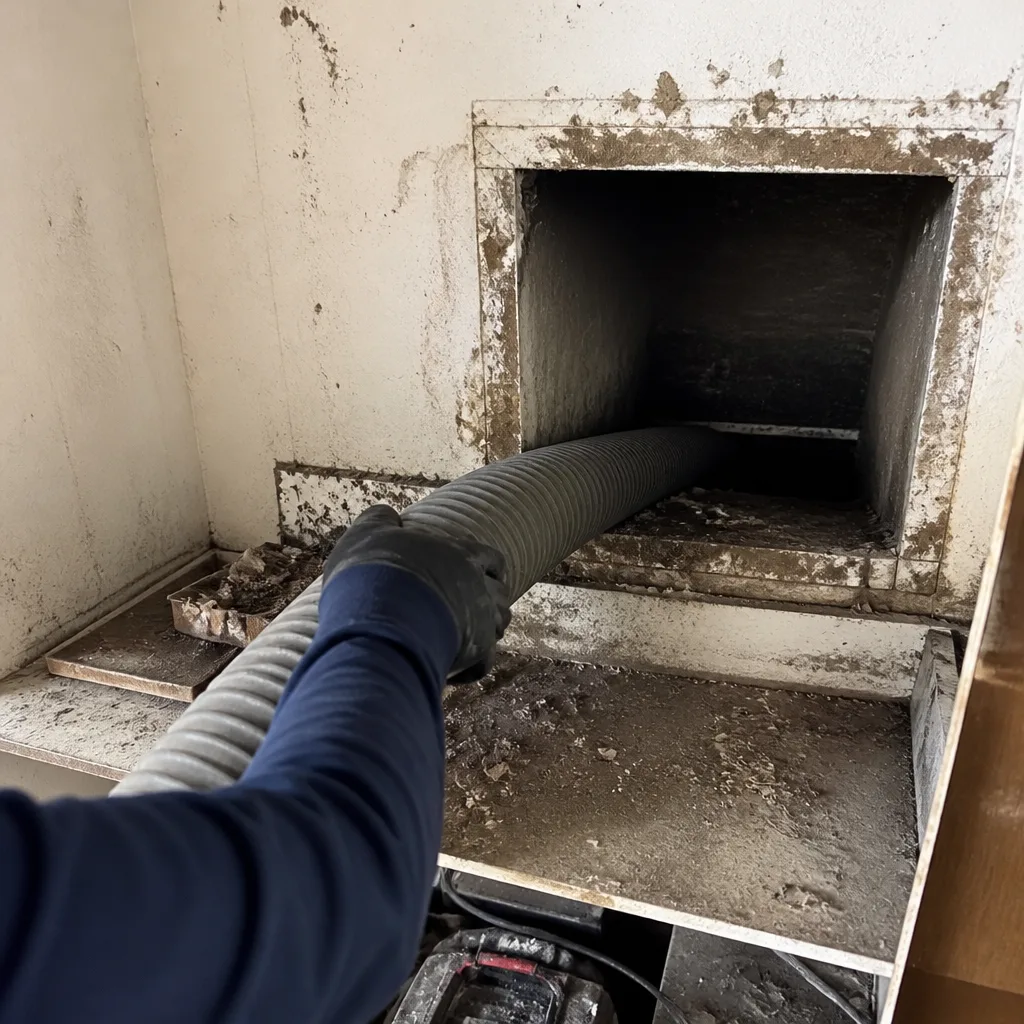
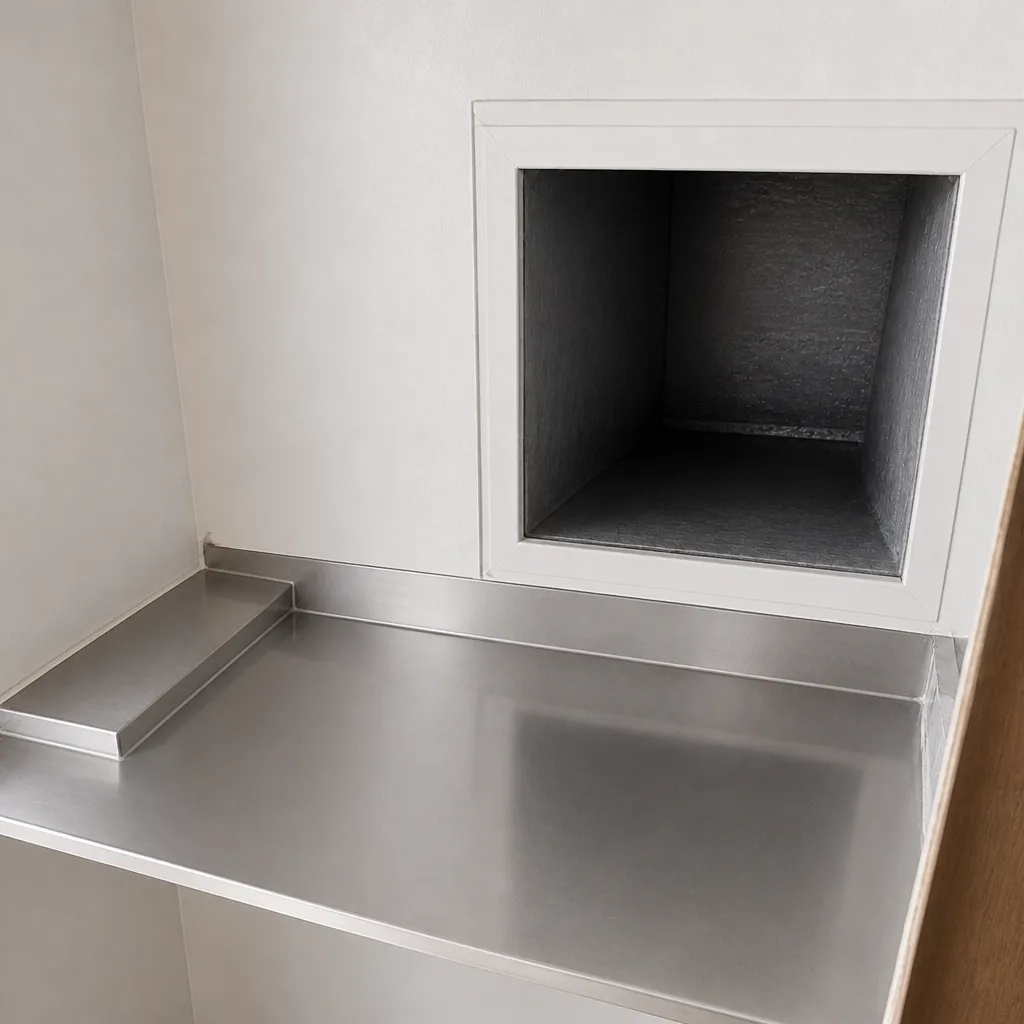
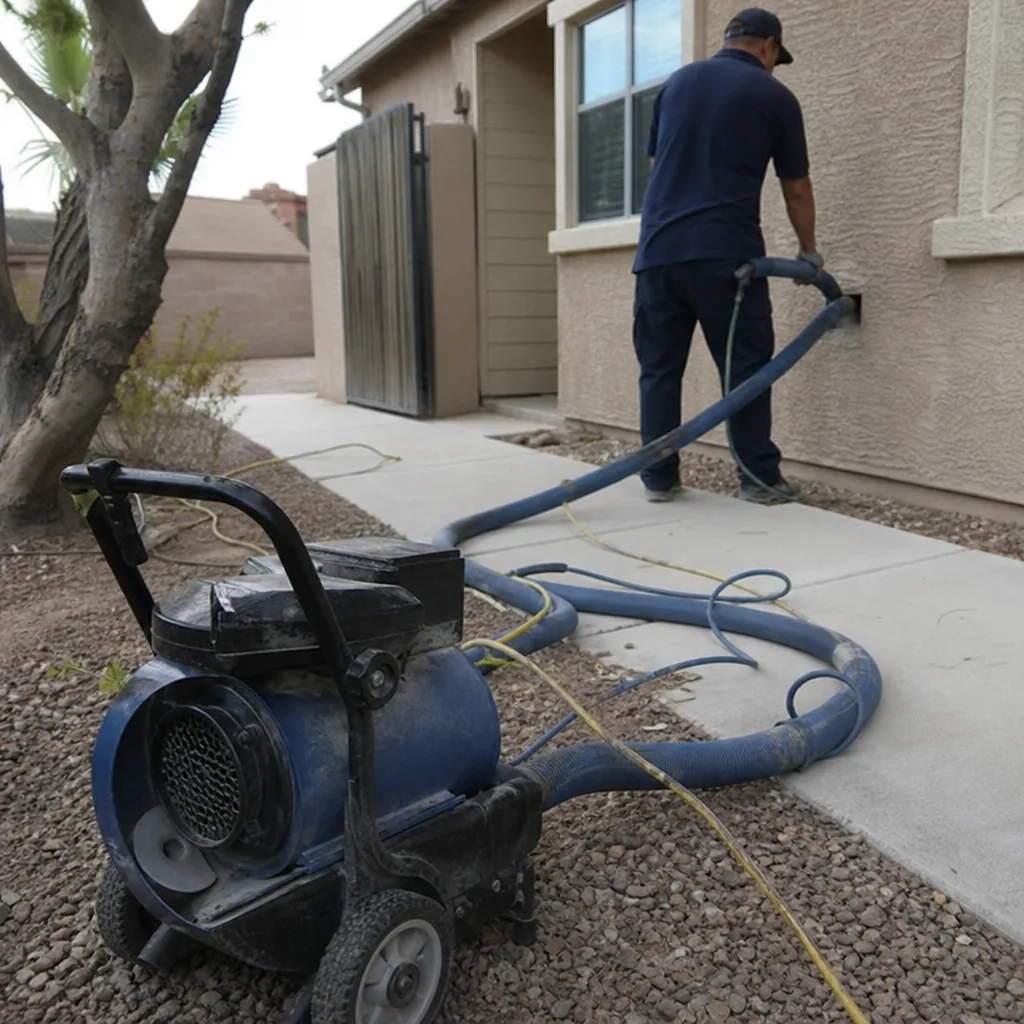
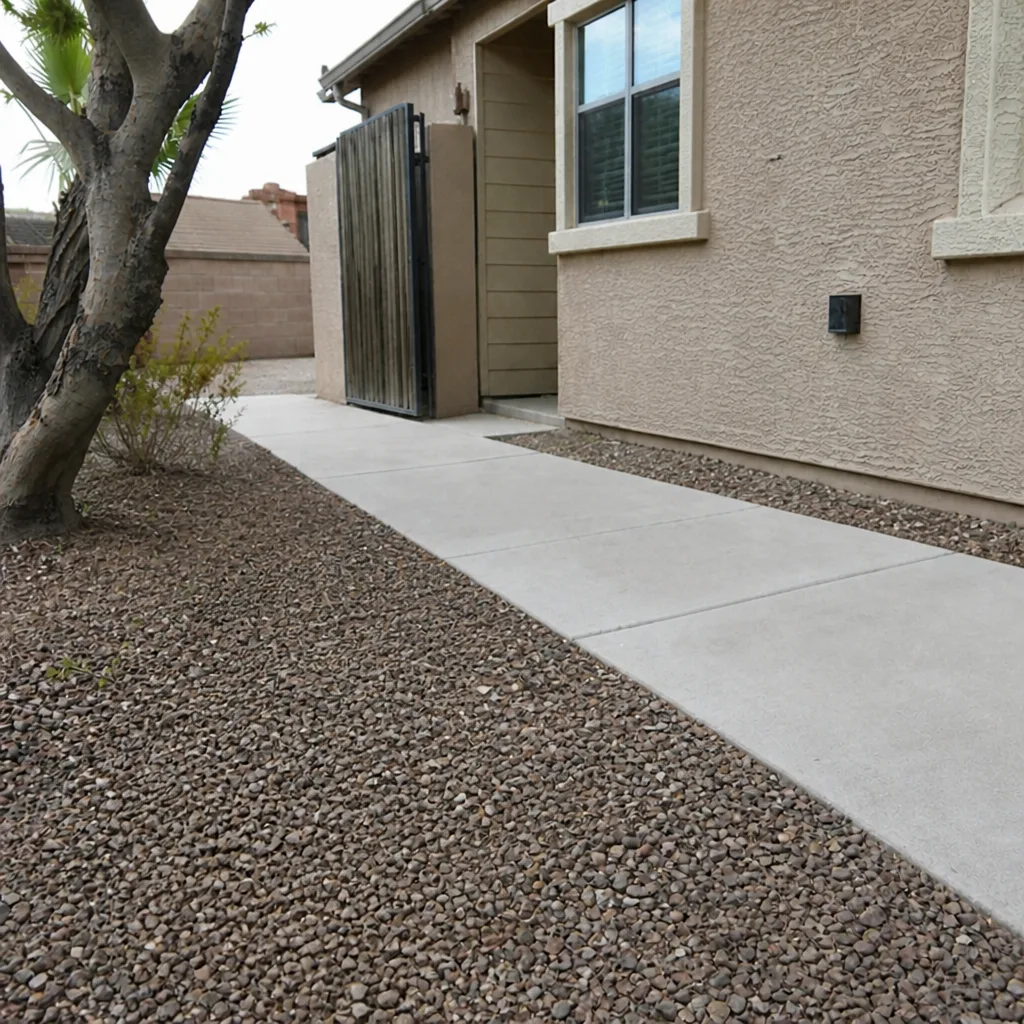
Whole-system duct and dryer vent check with before-and-after photos - you see exactly what came out of your vents
That "$99 whole-house special" is a bait ad - the real number appears once they are in your hallway, or the "clean" is a shop-vac at the register. We photograph the inside of your ducts before and after instead.
Air Duct Cleaning Warning Signs: A Peoria Homeowner’s Reference Guide
Visible dust puffing out of your registers right after a filter change isn’t normal. Neither is a musty smell that appears only when the AC kicks on. Here’s the problem with most warning-sign articles: they list symptoms so broad that they could mean anything – a dirty filter, a failing blower, a refrigerant leak, or a duct system packed with debris. The result is that homeowners call the wrong trade first, pay for a diagnostic they didn’t need, and still end up with dusty air. This guide does something different. It walks through the specific, observable signals that separate a duct problem from a normal HVAC issue, so you can tell which call to make first. Designed for Peoria homes and the way they’re built.
Quick Answer
The clearest warning signs that your ductwork needs professional attention are dust streaking around register grilles, a musty odor that only shows up when the air handler runs, allergy symptoms that track with cooling cycles, and visible temperature gaps between rooms that cleaning can’t logically explain. If those signals line up, a duct specialist should look at the system before an HVAC repair call. If your problem is a unit that won’t cool, short-cycles, or makes mechanical noise, that’s an equipment issue first.
Styles & brands we work with
- Whole-home duct cleaning
- Dryer vent cleaning
- Camera inspection
- Sanitizing & deodorizing
Table of Contents
- The Odor Test: Duct-Origin vs. Coil-Origin Smells
- What Uneven Room Temperatures Really Tell You
- The Register Test: Reading Debris Color and Texture
- Allergy Symptoms Tied to AC Runtime
- Post-Renovation Dust in New Builds and Additions
- Signs You Don’t Need Duct Cleaning (Yet)
- What a Proper Inspection Actually Looks Like
- When It’s Time to Call a Specialist
The Odor Test: Duct-Origin vs. Coil-Origin Smells
Most homeowners skip the one diagnostic step that determines who should show up to their door: figuring out where the smell is actually coming from. A musty odor can live in the ductwork, or it can live on the evaporator coil. Those are two different jobs, and diagnosing them wrong means paying twice.
Here’s how to tell them apart.
- Run the fan only. Set your thermostat to “fan on” with the cooling off. If the smell appears with the fan alone, the source is in the airstream – duct surfaces, insulation liner, or the blower compartment. That points toward ductwork or the blower itself.
- Run cooling normally. If the smell appears only when the compressor is engaged, moisture is condensing somewhere it shouldn’t. That’s often the coil, the drain pan, or a wet section of duct insulation near the air handler.
- Check the proximity. Sniff near several registers across different rooms. If one register smells and others don’t, the contamination is localized and often tied to a specific run or a disconnected section. If the smell is uniform everywhere, it’s usually coming from the source at the air handler.
What does each smell point to? A dirty-sock or wet-cardboard odor is the classic signature of microbial growth on duct liner or the coil. Rodent activity leaves a sharper, ammonia-like smell that’s usually strongest near the point of entry. Construction dust has a dry, chalky smell that clears somewhat after a filter change but returns. And that faint “hot plastic” smell during the first minutes of runtime is often a motor or belt, not a duct issue.
In Peoria, where cooling systems run hard through long, dry summers, duct insulation that gets wet from a drain-pan overflow or a coil issue is one of the few real moisture paths we see in ductwork. If a musty smell in a Peoria home comes on with cooling and not with the fan alone, that’s an HVAC diagnostic before it’s a cleaning call. We’ve had to tell plenty of homeowners that their ducts were fine and their coil needed attention – and that’s the right answer when it’s the right answer.
What Uneven Room Temperatures Really Tell You About Duct Condition
A room that’s five degrees warmer than the rest of the house in July isn’t automatically a cleaning problem. It could be a duct problem, a design problem, or an equipment-sizing problem – and the treatment is different for each. The key is asking the right follow-up questions before you call anyone.
Start here. Walk the house on a hot afternoon with an inexpensive thermometer and log the actual temperatures in each room. Then answer these:
- Is the problem a single room, or half the house? One struggling room usually points to a specific duct run – a crushed section, a long uninsulated stretch in the attic, or a damper that’s mostly closed. Half the house suggests the trunk or a main distribution issue.
- Does the room feel stuffy even when the system is running? That’s often a supply-air imbalance. If the register has weak airflow, the cause could be debris buildup, a disconnected joint, or a duct that’s been crushed during a past re-roof or attic repair. That’s a duct and cleaning problem.
- Does the room feel fine but warm by afternoon? That’s more likely a solar gain or insulation issue on that side of the house, not a duct problem. Peoria’s west-facing rooms in the afternoon are a common example, and no amount of duct cleaning changes sun load.
- Are temperatures fairly even but the system runs longer than it used to? That’s often filter restriction, a refrigerant charge issue, or condenser airflow – call the HVAC tech.
The pattern that crosses into duct-cleaning territory: an uneven room whose register has visibly weak airflow, combined with another warning sign from this guide. The pattern that does not: even air distribution with a room that’s still warm. If the room’s register is pushing air hard and it’s still hot, cleaning the ducts won’t fix it. Airflow is the diagnostic. Temperature alone isn’t.
The Register Test: Reading Debris Color and Texture
Pull the grille off a register and shine a flashlight in. What you see is a surprisingly good diagnostic. The color and texture of what’s collected on the grille and the first few inches of duct can tell you what’s actually accumulating – and whether it’s a routine cleaning job or something closer to a remediation job.
Here’s the reading guide:
- Light gray, powdery dust. Routine house dust – skin cells, fabric fibers, pet dander, outdoor particulate that slipped past the filter. This is the standard residential load.
- White or chalky streaks. Drywall dust, joint compound, or concrete dust residue. Common after a renovation or in a home that was built or finished recently.
- Black or dark gray staining on duct liner. Sometimes just shadowed dust, but if the surface feels slightly tacky or smells musty when you wipe it, treat it as possible microbial growth until someone qualified confirms otherwise.
- Brown pellet-shaped debris, or shredded material. Rodent activity. Pellets, nesting material, or chewed duct insulation are signs a duct cleaner and possibly a pest professional both need to be involved. That’s not a cleaning issue you want to handle casually.
- Sawdust or fine wood shavings. Usually construction residue from a completed renovation, not ongoing activity.
One more thing to check while the grille is off: the boot connection between the register and the duct. A gap or a disconnected boot dumps conditioned air into a wall cavity, not into the room. That’s an air duct repair item, and it’s one of the most common things we find on inspections in Peoria homes, especially where ductwork has been disturbed by past remodeling.
Contamination levels that look like mold growth, heavy construction debris, or rodent intrusion are exactly the kind of job most residential cleaners decline. We keep Abatement Technologies equipment on hand specifically for those heavier jobs, and we treat them with the containment and filtration discipline they need.
Allergy Symptoms Tied to AC Runtime
Year-round allergy symptoms are too vague to blame on ductwork. Symptoms that track specifically with air handler runtime are a much stronger signal. That distinction is what turns a “maybe” into a real diagnostic.
The pattern to watch for:
- Symptoms improve when the system is off. If you feel clearer during a mild stretch when the AC isn’t running much, and worse when it starts cycling hard, the airstream is the likely trigger.
- Symptoms appear worse in the room where you spend the most time. A duct-origin problem is often uneven – the run that serves the bedroom or the home office carries more debris for one reason or another.
- Symptoms spike after a filter change or after a renovation. Disturbing the system stirs up settled dust, which then moves through the house. That’s not a coincidence.
- Symptoms don’t correlate with outdoor pollen counts. Peoria has meaningful seasonal pollen, and if your symptoms track the calendar more than the thermostat, outdoor sources deserve attention too.
If the pattern matches AC runtime rather than the calendar, the next step is an inspection of the ductwork, not another antihistamine. Notice which rooms trigger symptoms, whether they ease when the system is idle, and whether the pattern started after a specific event like a renovation or a move. That history gives a duct specialist something concrete to check.
Post-Renovation Dust: New Builds and Additions in Peoria
Drywall dust in ducts is a known, preventable problem that rarely gets addressed after a renovation or on a new build. Most contractors cover the registers during construction – most, not all. And covered registers don’t stop dust from the ceiling cavity or the attic from getting pulled into a return.
Peoria’s growth makes this an ongoing pattern. In neighborhoods across the north and west sides of town, where new construction and additions are common, homes move in with a dust load already sitting in the supply runs. The homeowner sees dust on every surface for a few weeks, assumes it’s normal “settling dust,” changes the filter, and moves on.
What the post-renovation inspection should look for:
- Drywall dust streaks behind registers. Chalky white residue in the first 6-12 inches of the duct is a clear sign the run needs cleaning, not just a filter change.
- Drywall cuttings or tile thinset debris in the boots. Construction debris that fell into the boot and never got cleared before the grille went on.
- Disconnected or crushed flex runs in the attic. Attic ductwork gets stepped on, kinked, or pulled loose during construction work in the space. Any of those mean supply air is dumping into the attic, not reaching the room.
- New or updated register grilles that fit loosely. A small thing that adds up to a lot of attic air entering the living space.
The right time to clean post-renovation ducts is after the final coat of paint and after the last of the settling-in dust has fallen, but before the homeowner gives up on the dust and assumes it’s a filter problem. That’s a conversation we have with property managers and new homeowners in Peoria routinely. For the full scope of what a cleaning covers, see our air duct cleaning service page.
Signs You Don’t Need Duct Cleaning (Yet)
An honest specialist will tell you when the ducts aren’t the problem. A lot of the calls we field in Peoria don’t end in a cleaning – they end in a recommendation to change the filter, fix the return path, or call the HVAC tech. Knowing the “no” signs saves everyone time and money.
Here are signs the ducts are likely fine for now:
- Dust is evenly distributed and light. Routine dust on surfaces that’s about the same as when the house was new is your filter doing its job and a normal house being a normal house.
- Airflow from every register feels similar. Even airflow across rooms means the duct runs are intact and not badly restricted.
- No odor tied to system runtime. If nothing smells different when the system runs, that’s a quiet but real positive signal.
- The system is new or recently cleaned and the filter is on schedule. A well-maintained system doesn’t usually need re-cleaning every year.
- The problem is mechanical. Short cycling, a system that won’t cool, refrigerant issues, a failing blower motor – those are HVAC repair, not duct cleaning. Duct work can’t fix them.
If you’re unsure whether a symptom on this page is duct-related or equipment-related, that’s the exact question we answer on duct cleaning in Peoria – and if it’s not a duct issue, we tell you so.
What a Proper Inspection Actually Looks Like
A real duct inspection is not a flashlight peek into one register and a sales pitch. It involves looking at the whole system the way a technician would – air handler, main trunk, every branch, and the boots that connect them to the rooms. Here’s what a thorough inspection includes.
- Air handler and coil access. The blower compartment, filter slot, and coil are the entry points for most of the dust that enters the duct system. Inspecting them tells you where the load is coming from.
- Main trunk and branch runs. Visual inspection of the trunk and each branch. In Peoria homes, that usually means looking at attic and crawlspace runs, not just the ceiling-accessible portions.
- Register boots. The connection between the register and the duct is a common failure point. Loose, damaged, or disconnected boots are an air duct repair item.
- Return air path. The return side is where most of the load accumulates. If the returns are loaded, the supply runs will follow.
- Moisture and microbial assessment. Any visible staining, musty odor, or wet insulation near the coil or drain pan gets flagged. If microbial growth is suspected, the inspection needs to reflect that.
What you should get from a credible inspection is a straight picture of the system, not a pressure pitch. In our experience, that means before-and-after photos of the actual ductwork – the same documentation the customer uses to verify the work was done, not the marketer’s stock photos. If a cleaning is warranted, the price should be one flat number per system, agreed before any work starts. Not per register, not per vent. One number, one system, one customer who knows exactly what the invoice will look like.
Property managers with multiple units ask a second question: how will the work be documented for maintenance records? With before-and-after photos of their own ducts and a written scope, the answer is straightforward.
Where a Specialist Fits – and Why the Equipment Matters
Most duct problems look identical from the surface. The difference between a thorough cleaning and a superficial one comes down to the equipment and the discipline of the technician. That’s why we standardize on Rotobrush and Nikro duct cleaning systems on every job – the same class of equipment used by commercial facilities and remediation contractors, not the shop vacs and brushes you’ll see from generalist crews. For heavy contamination or post-construction jobs, we use Abatement Technologies air equipment, and we apply Guardsman-grade cleaning standards across every system we touch.
What does “commercial-grade” actually mean for a homeowner or property manager?
- Real contact with the duct surface. Rotobrush and Nikro systems agitate and extract, rather than just blowing dust loose to settle elsewhere.
- Containment. Negative-pressure and HEPA filtration keep dust out of your living space during the job, not just after.
- Repair capability. When a crushed run, disconnected boot, or torn flex section shows up mid-job, we can fix it as part of the service instead of leaving you to hunt for a second contractor. For the scope of that service, see air duct cleaning on the website’s duct repair page section.
- Post-cleaning air quality. We work with Honeywell and Aprilaire indoor air quality products, which means if a filter upgrade or humidity control component makes sense after the cleaning, that recommendation comes from the same visit, not a separate sales appointment.
One call covering cleaning, repair, and air quality upgrades is the practical version of “we clean it. We fix it. We improve it.” For homeowners who’d rather not coordinate three contractors, that’s a real difference. For a one-time commercial job that has to get done in a specific window, it’s the difference between one crew and three. If your dryer vent is also part of the picture, we handle dryer vent cleaning as part of the same scope – lint accumulation is its own fire-safety issue, and there’s no reason to make two calls.
Common Mistakes to Avoid
- Calling an HVAC tech before confirming the problem is mechanical. If the register airflow is uneven or the odor tracks with airflow, a duct specialist should see it first. You’ll still need an HVAC tech if the issue is the coil or compressor – but you’ll know which one you’re facing instead of paying for a guess.
- Judging a duct cleaner by the coupon price. A very low teaser price is usually a per-vent quote that expands once the technician is on site. Ask for a flat price per system, in writing, before you book.
- Assuming new construction means clean ducts. Drywall dust, construction debris in the boots, and crushed attic runs show up in Peoria new builds just like they do in older homes. A new build deserves the same register test as any other house.
- Overlooking the return side. Cleaning supply runs while ignoring returns leaves half the load in place. Ask specifically how returns are handled.
- Ignoring one-sided temperature problems in a Peoria summer. A single hot room often signals a duct run or boot problem, not an equipment sizing failure. Even airflow and one hot room is a duct symptom worth checking.
- Skipping the dryer vent while the crew is already there. Dryer vents accumulate lint slowly and invisibly. When the duct cleaning is happening, getting the dryer vent looked at in the same visit makes practical sense.
- Paying before you’ve seen the documentation. Before-and-after photos of the ducts you own that actually show the change are the simplest proof. If a company can’t produce them, that’s a warning sign in itself.
See the difference
 Before
 After
 Before
 After
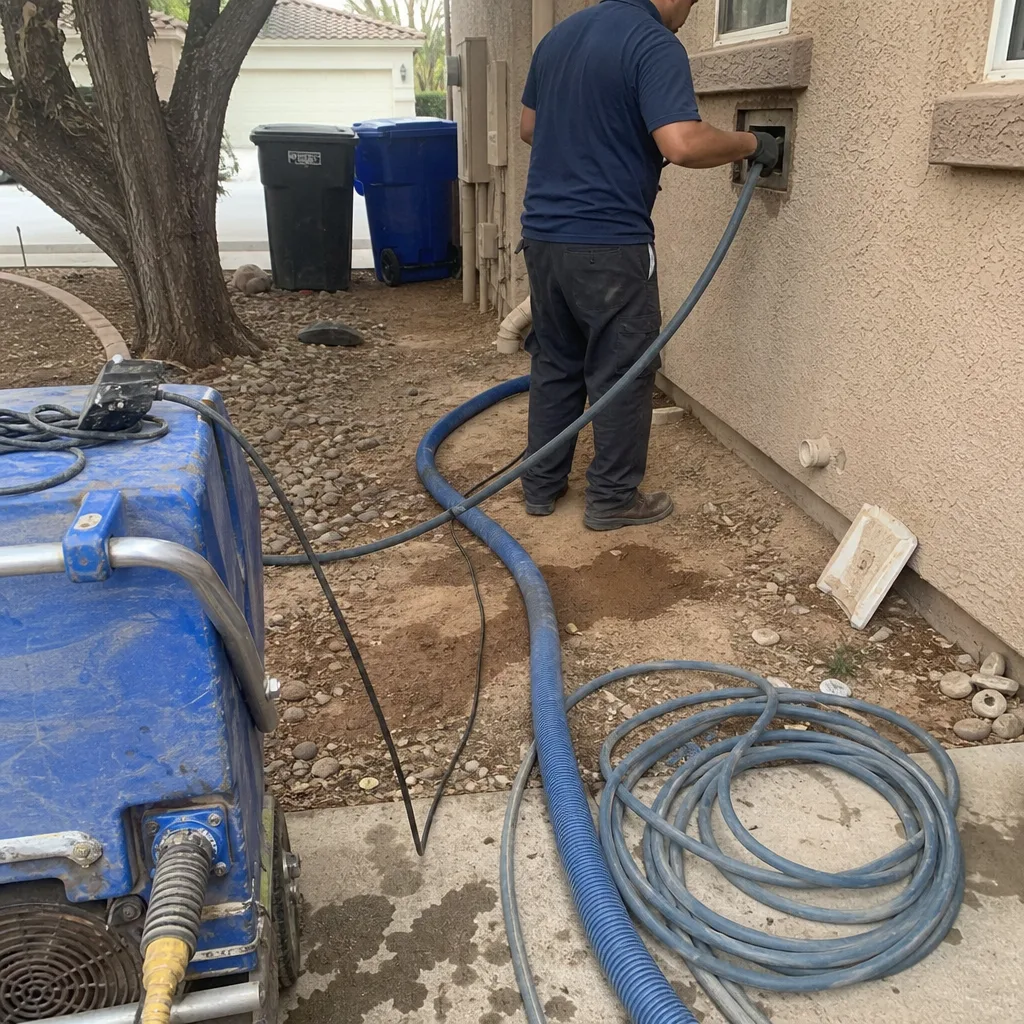 Before
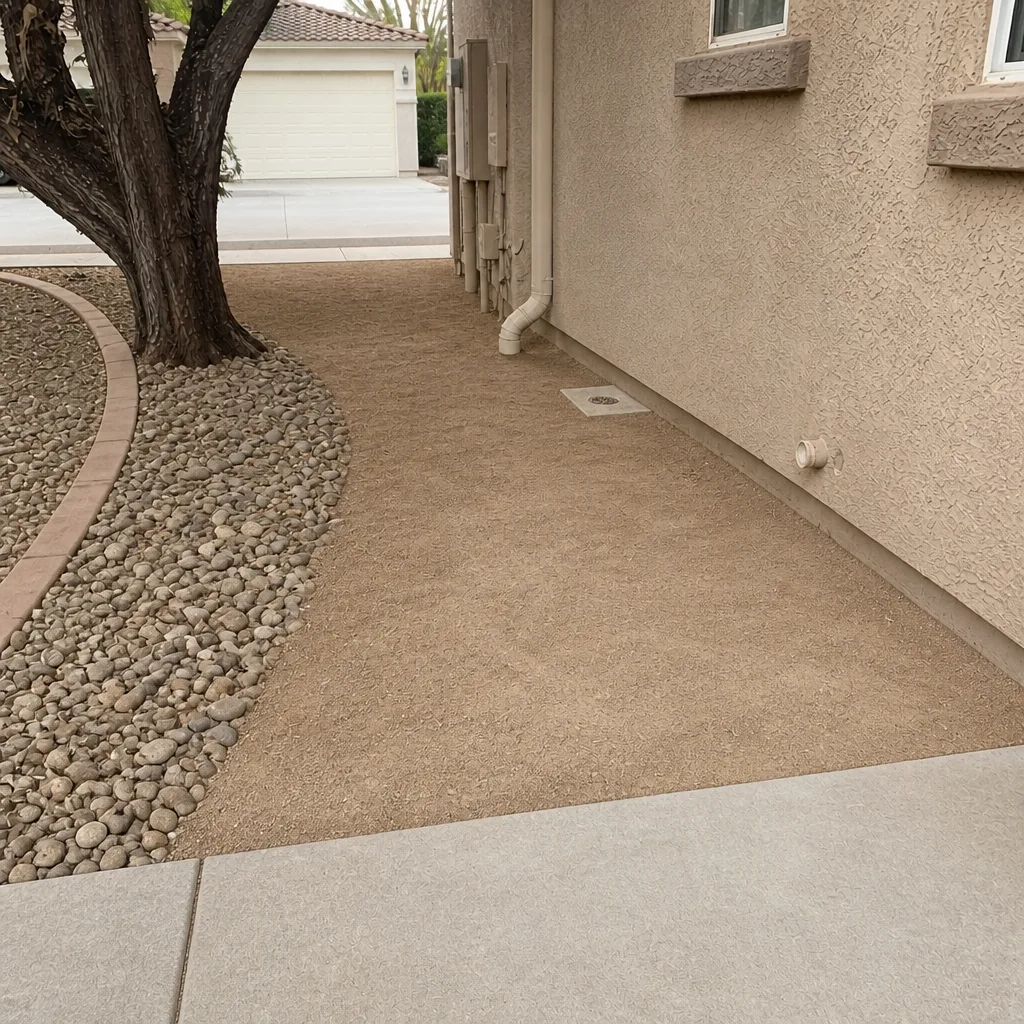 After
When to Call a Professional
Call a duct specialist when you can point to at least one clear duct-origin signal: dusty streaks behind the registers that return within days of a filter change, a musty odor present with the fan alone, visible debris of a specific texture (chalky, pellet-shaped, or sawdust) somewhere in the duct run, or a single room with weak airflow. Call before an HVAC tech when the symptom tracks system runtime rather than a mechanical failure. And call if your home has just come out of a renovation – post-construction dust is a specific, fixable problem that won’t resolve on its own. For property managers with a recurring unit-level issue, a documented inspection tells you whether it’s a cleaning job or a repair job in one visit. Duct Cleaning Peoria offers free estimates in Peoria – call (844) 834-5310. We answer 24/7. Fast dispatch from 7am to 7pm, Sunday through Friday.
Frequently Asked Questions
Typical whole-home residential duct cleaning costs between roughly $300 and $800 in the Peoria market, depending on square footage, number of systems, and how many rooms have register runs. Heavily contaminated systems, post-construction jobs, or jobs that need repair work fall above that range. You get one flat price per system, agreed before any work starts, in writing – not a per-vent figure that changes once the technician is on site. Call (844) 834-5310 for an exact quote. Estimates are free.
Cheap quotes are usually per-vent teaser prices that expand once the technician sees the system, or they skip the return side, skip real agitation with a brush system, or skip documentation. A $99 coupon and a $2,400 final invoice are the same business model, just at two different stages. Ask what equipment will be used (Rotobrush, Nikro, or a shop vac?), whether returns are included, and whether you get before-and-after photos before you book. Call (844) 834-5310 for a flat-price estimate on your actual system.
Before-and-after photos of your own ductwork are the most reliable documentation. A specialist should be able to show you the register boots, return side, and any high-debris areas before and after cleaning. If a company can’t produce photos, that’s a reason to keep looking. Call (844) 834-5310 and we’ll walk you through exactly what’s documented on your job.
Most Peoria homes don’t need annual cleaning. A cleaning every few years is typical for a well-maintained house with filters on schedule and no pets, smoking, or renovation triggers. Homes with high-shedding pets, recent renovations, or occupant allergies benefit from more frequent checks. The warning signs in this guide are a better scheduling tool than the calendar. Call (844) 834-5310 and we’ll tell you whether your system is actually due.
It can help when the symptom pattern tracks AC runtime rather than the outdoor pollen calendar, and when the inspection shows visible debris on the duct surfaces and boots. It won’t fix equipment problems, and it won’t solve room temperature gaps that come from design or insulation. Allergies tied specifically to system runtime are the strongest indicator a cleaning is worth doing. Call (844) 834-5310 for a free inspection and estimate.
Disconnected or loosely sealed register boots rank near the top, especially in homes that have had remodeling or roofing work in the attic space. Crushed flex runs from past attic work are next. Both are repair items that surface during a cleaning, not just cleaning jobs – and doing both in one visit is what a specialist is for. Call (844) 834-5310 and we’ll check both on the estimate visit.
If you have visible debris behind registers, a musty smell that tracks with the system running, or a room with weak airflow, getting an inspection before the listing goes up avoids surprises during the buyer’s inspection period. A documented cleaning with before-and-after photos also gives buyers a concrete answer when they ask about the air quality. Call (844) 834-5310 for a free estimate on the Peoria property.
The Bottom Line
The warning signs that matter are the ones specific to your ductwork: dust streaks behind the registers, a smell that only appears when the system runs, a room with weak airflow, debris of a definable color and texture, or symptoms that track AC runtime instead of the calendar. Those are duct signals. A system that won’t cool, short-cycles, or makes mechanical noise is an equipment issue – call the HVAC tech. Getting that order right is the whole point. For the Peoria homes we see, the equipment matters as much as the diagnosis – Rotobrush and Nikro systems on every job, Abatement Technologies for heavy contamination, and a flat price per system agreed before any work begins. If the signals line up, call (844) 834-5310 for a free estimate. We answer 24/7. Fast dispatch from 7am to 7pm, Sunday through Friday. If you want the bigger picture on routine cleaning and service scope, the Peoria location page lays it out.
Written by the team at Duct Cleaning Peoria.