
Last updated November 15, 2026
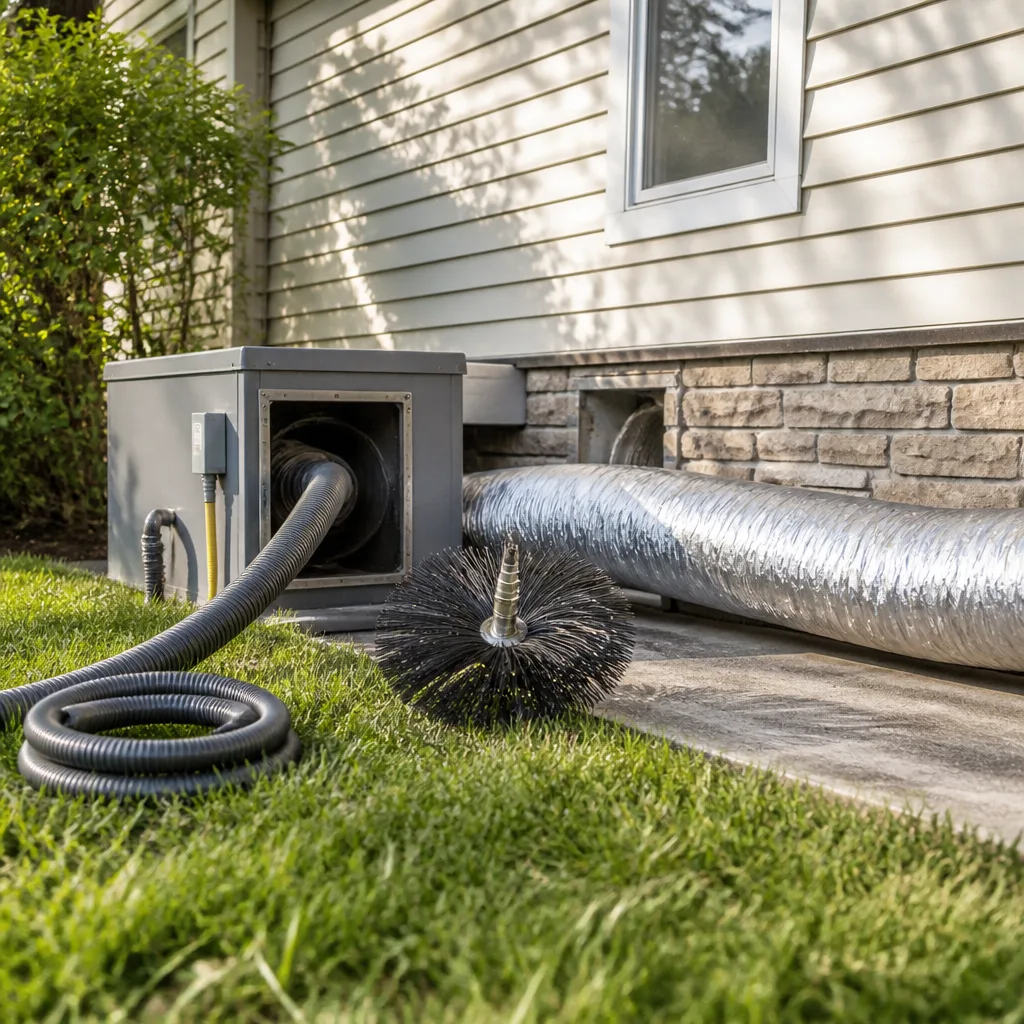 Whole-home duct cleaning
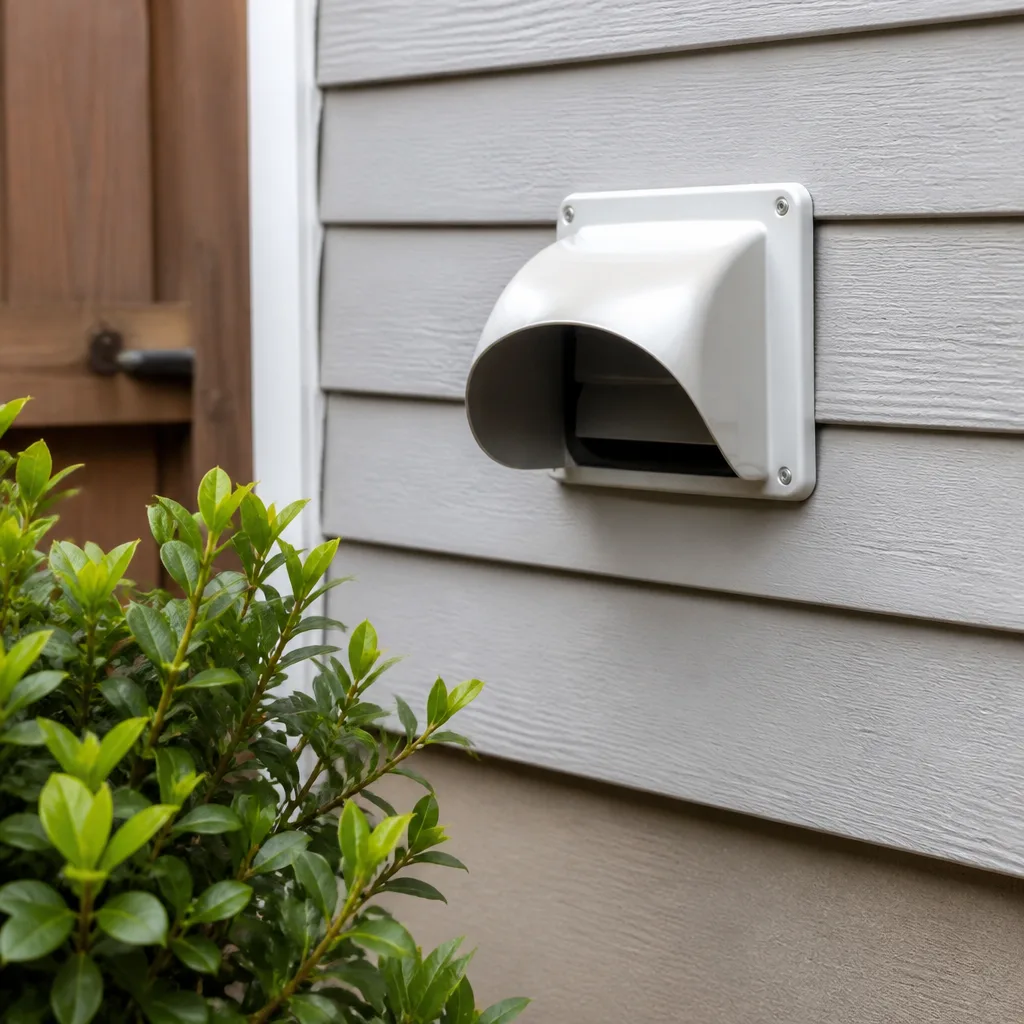 Dryer vent cleaning
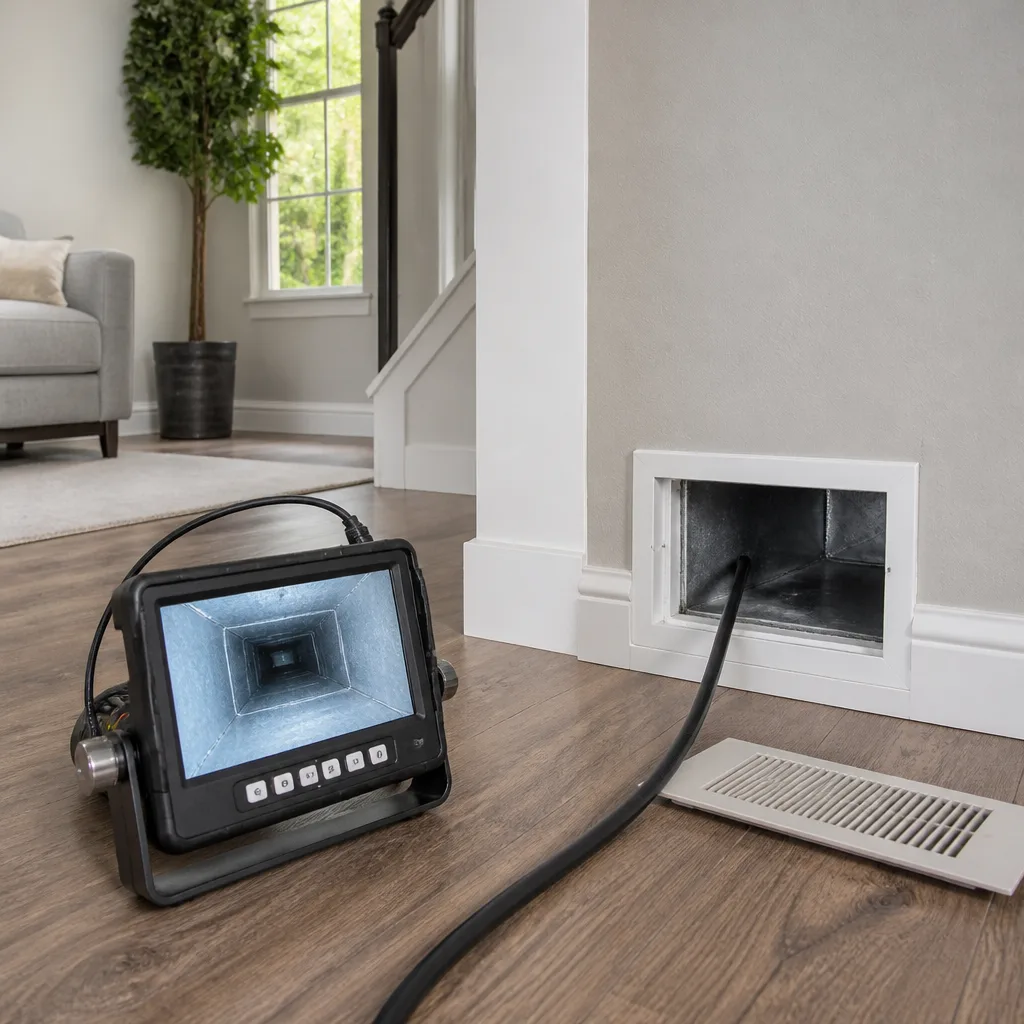 Camera inspection
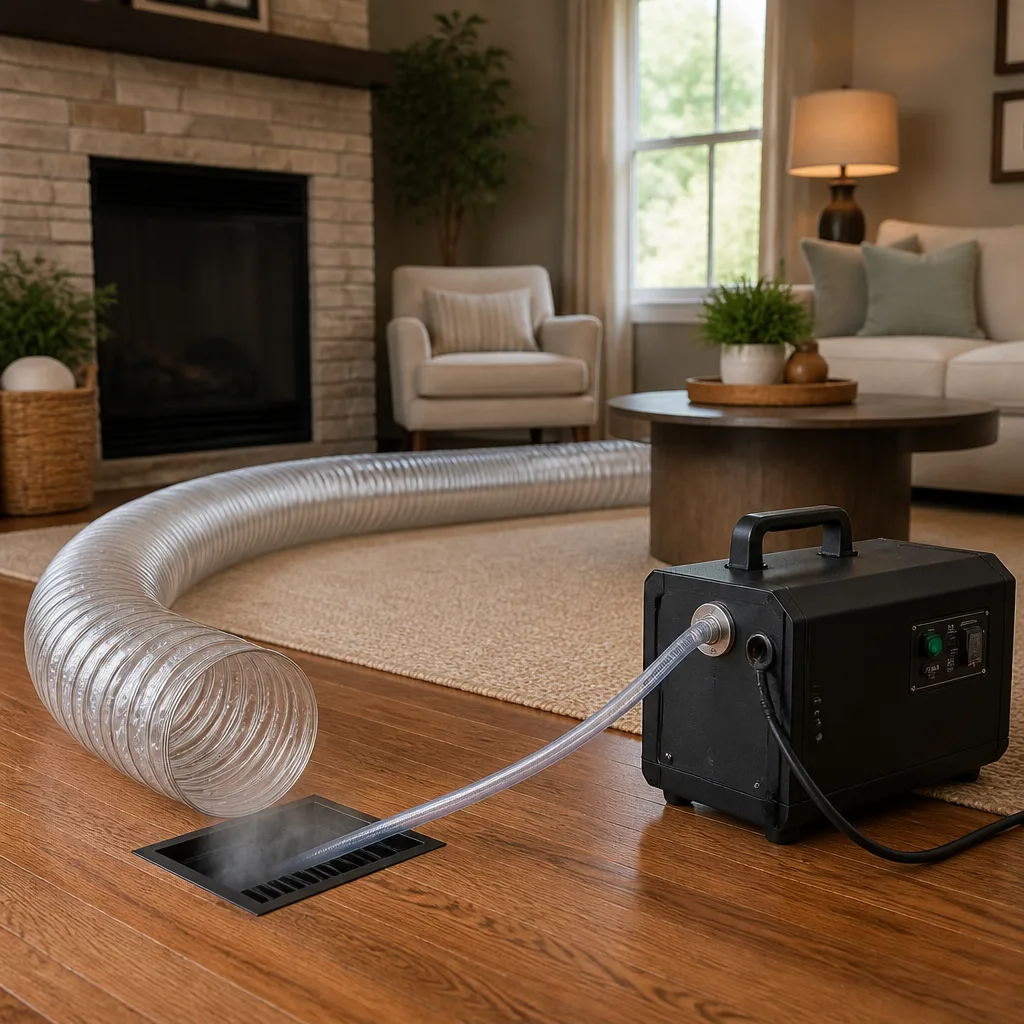 Sanitizing & deodorizing
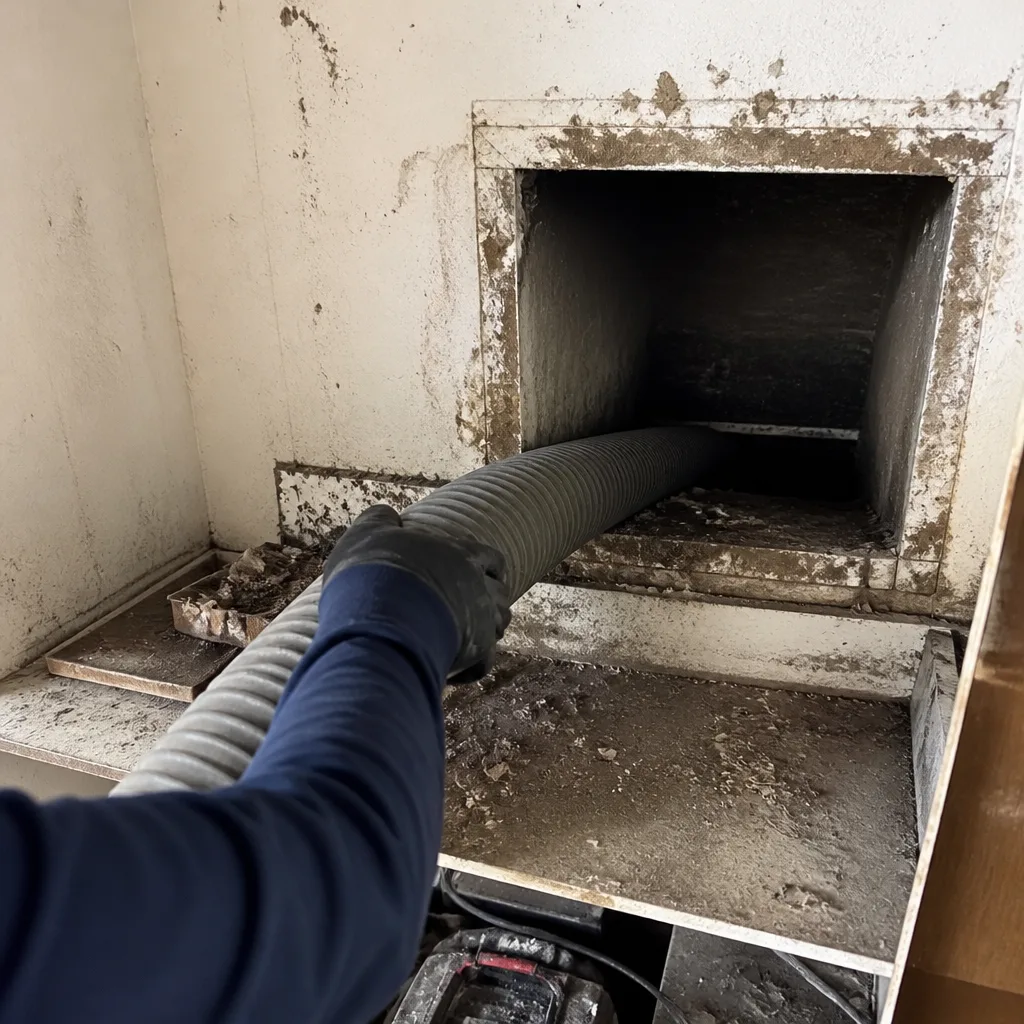
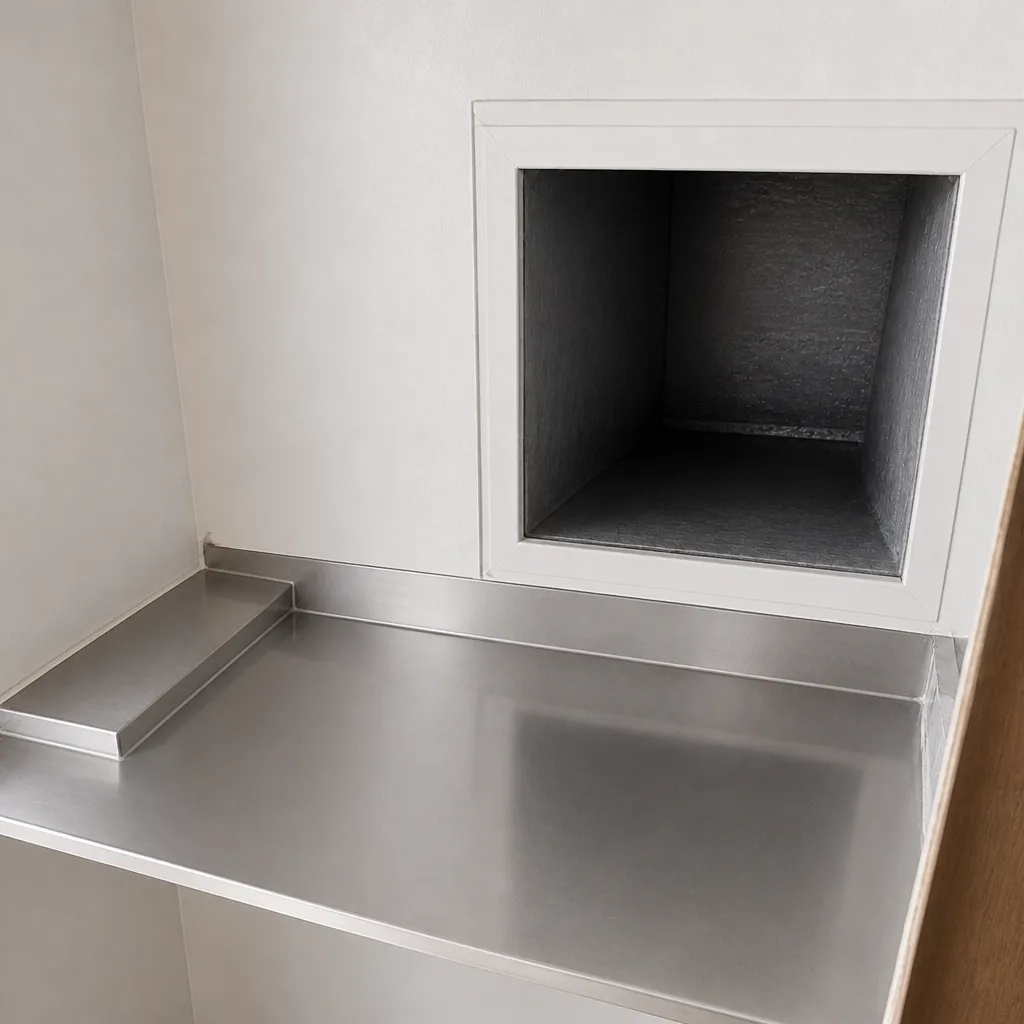
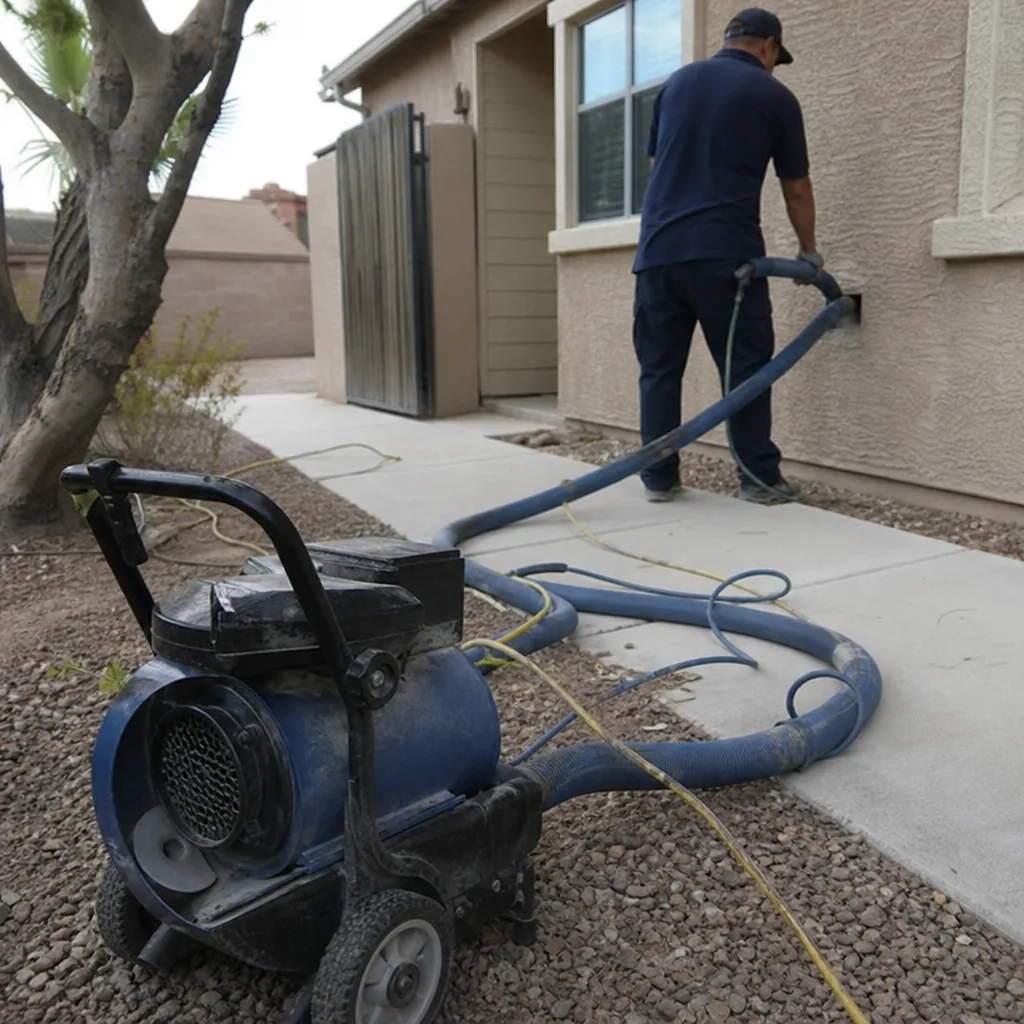
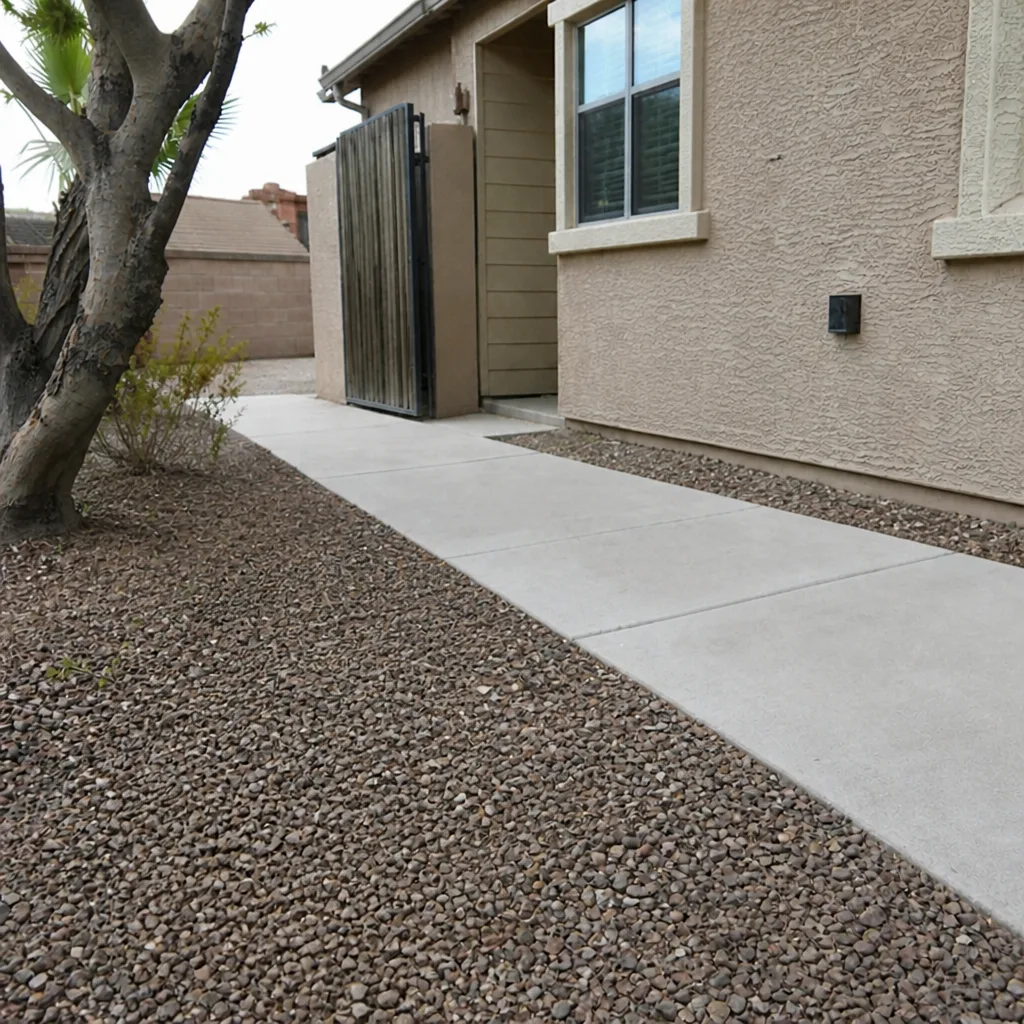
Whole-system duct and dryer vent check with before-and-after photos - you see exactly what came out of your vents
That "$99 whole-house special" is a bait ad - the real number appears once they are in your hallway, or the "clean" is a shop-vac at the register. We photograph the inside of your ducts before and after instead.
Choosing the Right Air Duct Cleaning Brand: A Buyer’s Guide for Peoria
There’s no Peoria equivalent of choosing between Ford and Chevy when it comes to duct cleaning. You aren’t really picking a logo. You’re picking the machine that will be parked in front of your return plenum, and the person running it. That single decision, more than any franchise sign or wrap, decides whether your ducts come out genuinely clean or just smell like they did. In this guide we’ll walk through the equipment brands that set the professional standard, what their specs actually mean in plain language, why a national franchise name tells you almost nothing about the truck in your driveway, and the specific questions that separate a real specialist from a generalist with a shop vac and a coupon. If you live in Peoria and you’ve been comparing quotes from three different companies, this is the piece to read before you sign anything.
Quick Answer
The right duct cleaning brand in Peoria is the one whose equipment and scope match your system, not the one with the biggest national name. Look for a dedicated duct specialist using commercial-grade negative air equipment (Rotobrush, Nikro, or Abatement Technologies) rather than a general HVAC company running a portable vacuum as a side service. Ask what machine they’ll use, whether it’s truck-mount or portable, and whether they can repair ductwork they find damaged. The honest answers tell you more about the outcome than any brand on the invoice.
Styles & brands we work with
- Whole-home duct cleaning
- Dryer vent cleaning
- Camera inspection
- Sanitizing & deodorizing
Table of Contents
- What “Brand” Actually Means in Duct Cleaning
- The Equipment Brands That Set the Professional Standard
- Why Franchise Names Don’t Guarantee Equipment Quality
- Truck-Mount vs. Portable: What the Difference Actually Means
- The Questions That Reveal a Contractor’s Real Capability
- Dedicated Specialist vs. Generalist HVAC Company
- NADCA Credentials and What to Look For
- Reading the Peoria Market: Climate, Housing, and Dust
What “Brand” Actually Means in Duct Cleaning
In most service trades, brand is shorthand for a reputation earned across thousands of jobs. In duct cleaning, brand is shorthand for almost nothing, because the national names you see advertised aren’t doing the work. They’re franchising it. Each franchisee is an independent operator who buys the name and then sets their own equipment, their own training, and their own standards. Two franchises under the same logo in two different cities can run completely different operations. One might invest in a Rotobrush system with a HEPA-filtered negative air machine. The other might send a technician with a portable shop-vac-style unit and a brush on a flexible rod. The customer sees the same logo. The ducts get two very different treatments.
That’s why in Peoria, and really anywhere, the meaningful question isn’t “which brand should I hire?” It’s “what equipment is coming into my house, and who’s operating it?” Equipment is the one part of the transaction you can verify before the technician arrives, because the good brands publish their specs and any honest contractor will tell you what they run. The rest, the training, the repair capability, the willingness to turn down a job they can’t do properly, follows from how seriously a company takes the equipment decision in the first place.
We’ll spend the rest of this guide on that equipment decision. It’s the part most homeowners skip, and it’s the part that determines whether the job is done right. For a fuller overview of what the service involves, our Duct Cleaning Peoria overview is a reasonable starting point, but the equipment detail is where the real distinctions live.
The Equipment Brands That Set the Professional Standard
You don’t need to memorize model numbers, but you should recognize three names, because they signal that a contractor has invested in commercial capability rather than consumer gear. Here’s what each one actually means in plain language.
Rotobrush
Rotobrush is a rotary brush system paired with a high-powered vacuum and HEPA filtration. The brush head spins inside the duct, agitating dust that has bonded to the walls, while the vacuum pulls the loosened debris into a contained collection system. The practical difference: a plain vacuum pulls loose dust out of the airstream. Rotobrush scrubs the surface. In our experience, that’s the difference between ducts that look clean after a job and ducts that actually are. It’s the system most remediation contractors and commercial facilities use, and it’s what we run on every job in Peoria.
Abatement Technologies
Abatement Technologies builds air scrubbing and negative pressure equipment that’s used in contamination and remediation work: mold, heavy debris, post-construction cleanup. When a duct system is genuinely fouled, you need that level of air handling to keep contaminants from spreading through the house while they’re being removed. Most residential duct cleaners don’t carry this equipment because most jobs don’t require it. We do, because around Peoria, you do occasionally run into a system that a renovation or a long-vacant property has left in rough shape, and turning those jobs away isn’t useful.
Nikro
Nikro makes professional-grade vacuum and air handling equipment, including negative air machines and HEPA-filtered collection units. When you see a contractor running Nikro gear alongside Rotobrush, it’s a sign they’ve built a real cleaning setup rather than adding duct cleaning to a menu of unrelated services. The dust that comes out of a duct system has to go somewhere. Proper collection is what keeps it out of the rest of your house.
Notice what these have in common: they’re all equipment you’d find on a commercial or remediation site, not in a hardware store. That’s the standard. Commercial-grade equipment, residential work.
Why Franchise Names Don’t Guarantee Equipment Quality
Here’s the counterintuitive bit. A big national name is not a quality signal in duct cleaning, and in some cases the franchise structure actually makes quality harder to pin down. The parent company sells a brand, a marketing framework, and sometimes a training program. The franchisee owns the truck, hires the technicians, and decides what equipment to buy. Standards vary dramatically from one franchisee to the next. Some run excellent operations. Some are essentially a marketing company that subcontracted the work.
This matters more in duct cleaning than in other trades because there’s no standardized minimum equipment. A plumber has to have a certain set of tools to do the job at all. A duct cleaning company can, technically, do something and call it cleaning with a portable vacuum and a brush. The customer won’t know the difference until they see what came out, and by then the technician is gone. So the brand on the invoice is a weak signal. The equipment in the driveway is a strong one.
For property managers in Peoria who are hiring across multiple units, this is especially worth understanding. The franchise name might get approved at the corporate level, but the actual work varies unit to unit depending on which crew shows up. A dedicated specialist who names their equipment and lets you verify it is a more predictable hire than a logo.
Truck-Mount vs. Portable: What the Difference Actually Means
This is the single most useful question you can ask, and the answer tells you a lot. Truck-mount and portable aren’t just two ways to do the same job. They represent two different capability levels.
Portable Units
A portable unit is a self-contained vacuum the technician carries into the house. It’s convenient. It’s also limited by the power of its motor and the volume of its collection. For very small systems or light surface dust, a portable unit can do a reasonable job. For a whole-house system with debris packed into the ducts, a portable unit often can’t generate enough airflow to pull it out. The technician may clean what they can reach and call it done.
Truck-Mount Units
A truck-mount unit is a large negative air machine mounted on the vehicle, connected to the home’s duct system by a hose. The truck’s power source drives a far stronger vacuum than any portable unit, and the collection volume is much larger. That means the system can maintain negative pressure throughout the house while cleaning, which is what prevents loosened dust from blowing back into living spaces. Commercial facilities and remediation contractors overwhelmingly use truck-mount or heavy negative air setups for the same reason: the physics demand it.
What to Actually Ask
- What equipment will you use on my system, and is it truck-mount or portable?
- If portable, how do you maintain negative pressure during cleaning?
- What HEPA filtration does the unit have, and how is the debris collected?
- Will you show me before-and-after photos of the interior of my ducts?
The answers you get should be specific. A contractor who uses good equipment will name it without hesitation. A vague answer is itself the answer. For a closer look at how the process works end to end, our air duct cleaning page covers the steps.
The Questions That Reveal a Contractor’s Real Capability
You can evaluate any duct cleaning company in Peoria with a short list of questions. The point isn’t to trip anyone up. It’s to hear whether the answers are grounded in real equipment and process, or whether they’re generic reassurances. Here’s what to ask and what an honest answer sounds like.
- “What machine will you use, by name?” Honest answer: “Rotobrush” or a similar commercial-grade system. Vague answer: “Our professional equipment.”
- “Do you clean the whole system or just the visible runs?” Honest answer: whole system, including the returns and main trunk. Vague answer: “We clean what needs cleaning.”
- “What happens if you find damaged or disconnected ductwork?” Honest answer: they can repair it or refer you to someone who can. Vague answer: “We’ll let you know.”
- “Can I see photos of my ducts before and after?” Honest answer: yes, every time. Vague answer: no, or a deflection.
- “Is the price per system or per vent?” Honest answer: per system, quoted in writing before work begins. Vague answer: per vent, which invites the low-quote-then-upsell pattern.
- “Do you also install indoor air quality products, or just clean?” Honest answer: the good specialists often do, since cleaning is only the first step. Vague answer: silence.
Ask these before you book. A specialist can answer all six in a single phone call. A generalist that added cleaning as a line item often can’t answer more than two.
Dedicated Specialist vs. Generalist HVAC Company
A generalist HVAC company installs furnaces and air conditioners. Duct cleaning is a side service they offer because customers ask, and it doesn’t get the same equipment investment. Their technicians are trained on systems, not on the cleaning equipment itself. The result is that the cleaning division of a general HVAC company is usually the weakest part of their service, and it’s the part that gets the least attention.
A dedicated duct specialist is different in three concrete ways. First, the equipment investment is larger, because it’s the entire business, not a fraction of it. Second, the technicians do nothing but duct and vent work, so their hands know the equipment well. Third, a specialist can fix what they find. When cleaning reveals a broken connection or a crushed section of flex duct, a generalist has to refer you to a separate contractor. A specialist can quote the repair as part of the same visit. That last point alone saves a lot of homeowner frustration.
This is why we structure our work as three services rather than as a menu of HVAC add-ons: cleaning, repair, and indoor air quality upgrades. We clean it, we fix it, and we improve it. When we find a problem, we can solve it on the same call. The dryer vent cleaning side of the business follows the same logic, since a dryer vent is just another duct system and it’s often the one most likely to be blocked.
NADCA Credentials and What to Look For
NADCA is the National Air Duct Cleaners Association, the industry body that publishes standards for duct cleaning and credentials for the people who do it. When you’re evaluating a company, a NADCA affiliation is a legitimate signal, because it means the company has chosen to be measured against a professional standard. But it’s a floor, not a ceiling. Ask which specific credential the technician will hold. The consumer-facing credential for individuals is different from the company-level affiliation, and it’s worth knowing which one applies.
On top of the credential, look for the practices NADCA standards emphasize:
- Source removal, meaning removing contaminants from the system rather than just sealing them in or blowing them through.
- Negative pressure maintained throughout cleaning so loosened debris doesn’t escape into the home.
- Before-and-after documentation, ideally with interior photos of the ducts themselves.
- A written estimate that specifies the whole system, not a teaser price per vent.
None of this replaces the equipment question. A NADCA credential on a team running consumer-grade gear is less useful than a well-equipped contractor without the paperwork. But the two together are a stronger signal than either alone. For homeowners in Peoria, the practical takeaway is to ask about credentials and equipment in the same conversation.
Reading the Peoria Market: Climate, Housing, and Dust
Peoria isn’t a single climate. It spans from the flat, hot valley floor out toward the desert edge, and the housing stock reflects it. Ranches and single-story homes dominate, and a lot of them have duct systems that were installed decades ago in a climate that runs hot and dry for months at a time. That has a few practical consequences for duct cleaning.
First, dust is fine and persistent. The desert Southwest produces a particular kind of dust that settles deep into return ducts and gets pulled through filters faster than in wetter climates. That means the interval between cleanings can be shorter than the general advice you’ll find online. Second, homes that were built with flex duct or that have had additions tacked on over the years often have duct runs that were never properly sealed. After a couple of decades in Peoria’s heat, those connections can degrade, which is exactly the point where cleaning reveals repair needs. Third, the dry air means a musty smell coming from your vents is more likely to be a sign of debris or a pest issue than of the kind of damp mold problem you’d see in a humid region. Those are exactly the cases that Abatement Technologies equipment is built for.
For property managers across Peoria, from the older neighborhoods near the river to the newer developments out toward the foothills, the same logic applies: the local climate shortens the interval and stresses the ductwork, so the equipment and the repair capability matter more than they would in a milder region. If your building dates to the 1990s or earlier, budget for repair as a possible outcome of the cleaning, not a surprise.
Common Mistakes to Avoid
- Choosing on price alone. A low quote is often a per-vent teaser that grows once the technician is on site. The written whole-system estimate is the real number.
- Assuming the national name means the work is standard. Franchisees set their own equipment standards. Verify what machine is coming before you book.
- Skipping the before-and-after photos. Photos of the interior of your ducts are the only proof the job was done right. Any specialist should offer them.
- Hiring a general HVAC company for cleaning. Their equipment is often portable and their technicians are trained for installation work, not duct cleaning. A specialist is a better hire for this specific job.
- Waiting too long between cleanings in Peoria. The dry, dusty climate fills ducts faster. Waiting the general online-recommended interval can mean heavier soil and higher cost.
- Ignoring damage found during cleaning. If a specialist tells you a duct connection is broken or a run is crushed, fix it. A repaired duct system pays back faster than a second cleaning.
- Assuming duct cleaning alone fixes air quality. Sometimes the cleaning reveals that a filtration or IAQ upgrade is the better long-term spend. Ask about it.
See the difference
 Before
 After
 Before
 After
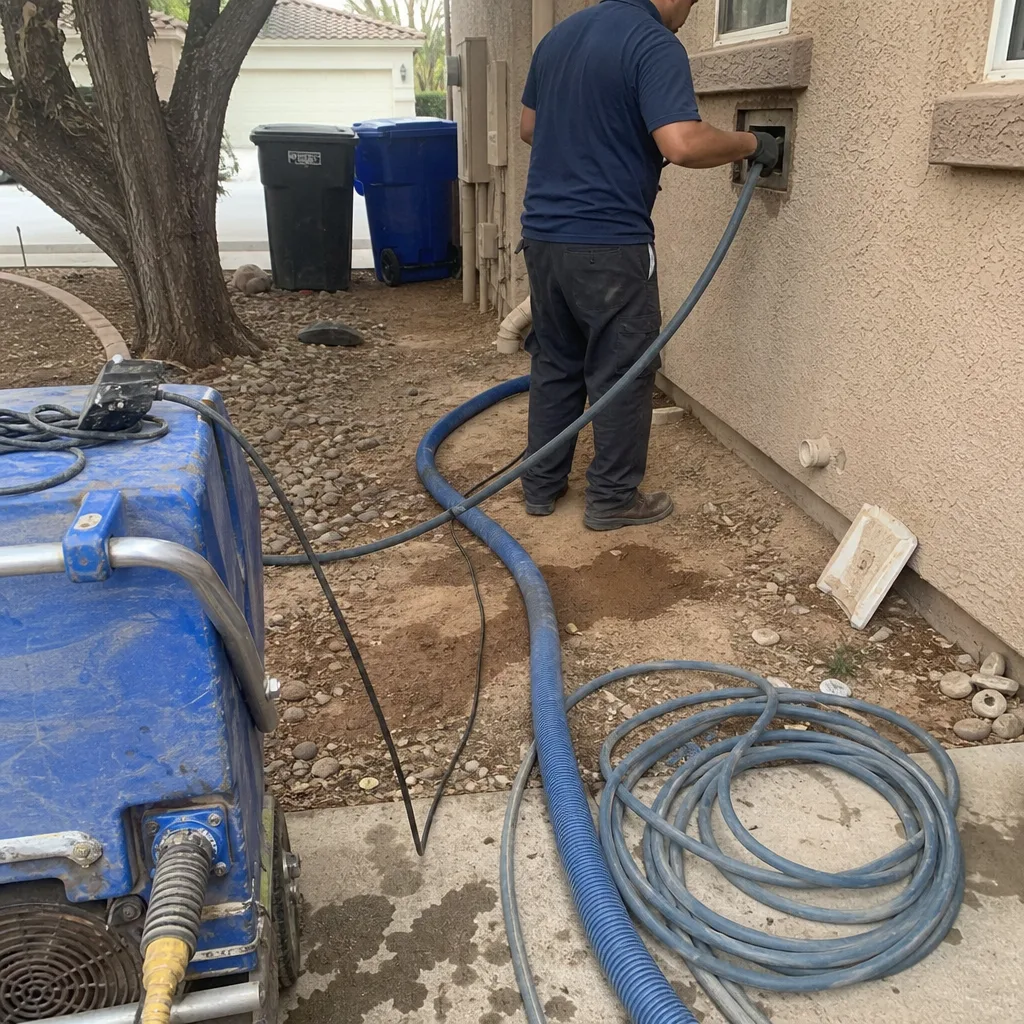 Before
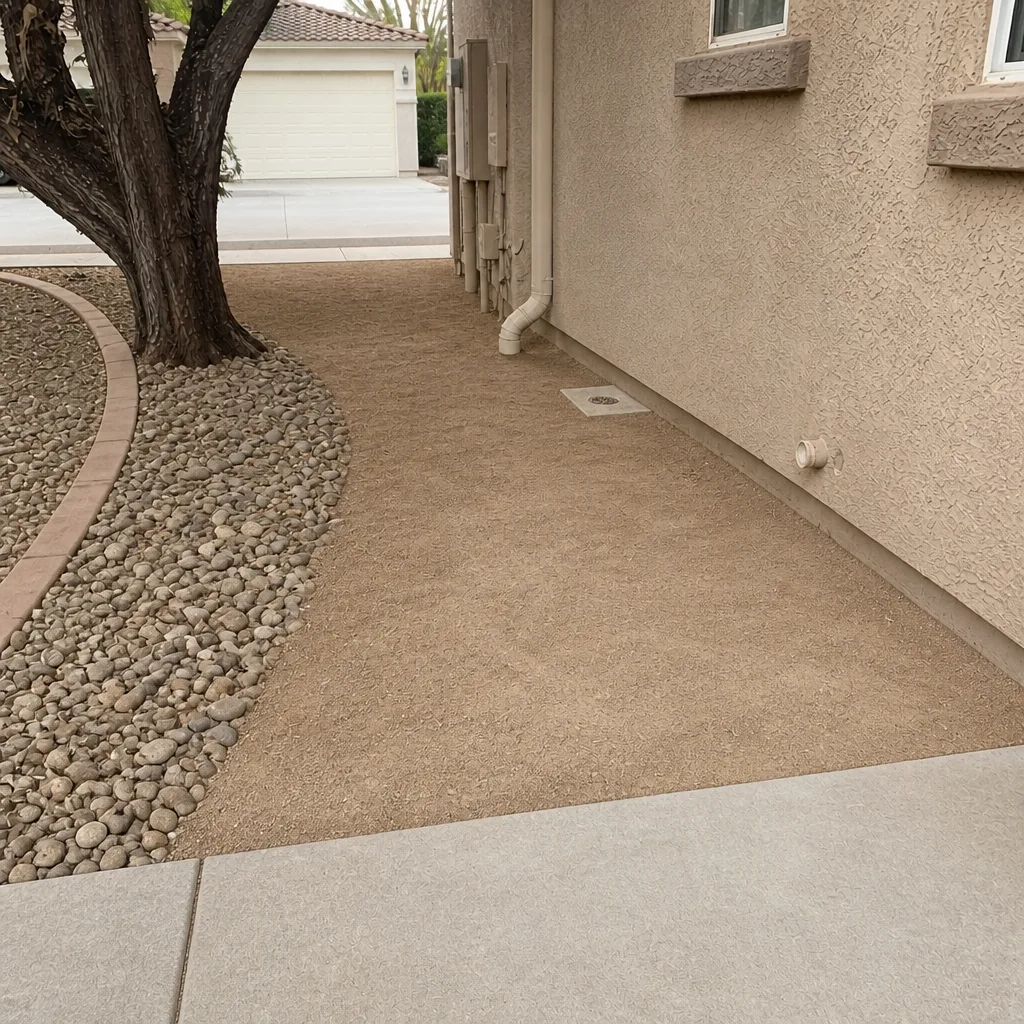 After
When to Call a Professional
Some duct cleaning decisions are optional. Some are clearly not. Call a professional if you’ve moved into a home in Peoria and don’t know when the ducts were last cleaned, if you’ve finished a renovation or construction project that produced dust, if you’ve had a pest issue that could have introduced debris into the system, or if you or a family member is noticing a persistent musty smell from vents. Call if a dryer is taking longer and longer to dry a load (that’s often the dryer vent, and it’s a genuine safety issue if it’s blocked). Call if you’re a property manager preparing a unit for turnover and need documentation. And call if cleaning quotes came in far apart, so you can verify the equipment difference before you choose. Duct Cleaning Peoria offers free estimates in Peoria. Call (844) 834-5310.
Frequently Asked Questions
Most whole-system residential cleaning in Peoria falls in a moderate range based on the number of vents and the condition of the system, with heavier contamination and repair needs pushing the total higher. The estimate is set per system by the written quote, not per vent, so you know the number before work begins. Call (844) 834-5310 for an exact quote; estimates are free.
Cheaper quotes usually mean lighter equipment, per-vent pricing that grows once the technician arrives, or a cleaning that covers only the visible runs. A commercial-grade system using Rotobrush or Nikro equipment costs more to run, and the quote reflects that. Ask what machine each company will use and whether the quote is per system or per vent. That single question separates most of the low quotes from the real ones.
Ask for before-and-after photos of the interior of your own ducts. Any specialist using proper equipment can provide them, and a company that can’t is telling you something. In our work, we treat those photos as part of the deliverable, not an optional extra. Call (844) 834-5310 to book an estimate and see the process up close.
In Peoria’s dry, dusty climate, most homes benefit from cleaning more frequently than the generic online advice suggests, especially if there are pets, allergies in the household, or a recent renovation. The honest answer is that condition matters more than the calendar. A system with visible dust discharge at the registers is due regardless of how recently it was cleaned.
A dedicated duct specialist is usually the better hire for this specific job, because their equipment and training focus entirely on duct and vent systems. A general HVAC company’s cleaning division often runs portable gear and treats cleaning as a side service. Call (844) 834-5310 for an estimate; estimates are free.
Yes. Air duct repair is a standalone service we offer, so when cleaning reveals a broken connection, a crushed flex run, or an unsealed joint, we can quote the fix on the same visit rather than sending you to a second contractor. That’s one of the practical differences between a specialist and a generalist. Call (844) 834-5310 and we’ll walk through what your system likely needs.
The Bottom Line
The right duct cleaning brand in Peoria is the one whose equipment you can verify before the technician arrives. Compare machine names, not logos. A dedicated specialist running Rotobrush, Nikro, or Abatement Technologies will answer the truck-mount versus portable question directly and back it up with before-and-after photos. A franchise or general HVAC company may not. The written what-system-is-it quote, the repair capability, and the IAQ upgrade path complete the picture. Get a free estimate, ask the six questions, and you’ll know which company deserves the job.
Get a Free Estimate
If you’ve read this far, you already know more about duct cleaning equipment than most of the people quoting you. Put that to use. Duct Cleaning Peoria offers free estimates for homeowners and property managers across Peoria. We answer 24/7, and fast dispatch runs 7am to 7pm, Sunday through Friday. Call (844) 834-5310 to book your estimate. One flat price per system, agreed before work starts, before-and-after photos of your own ducts, and one call that covers cleaning, repair, and air quality upgrades.
Written by the team at Duct Cleaning Peoria.