
Last updated November 15, 2026
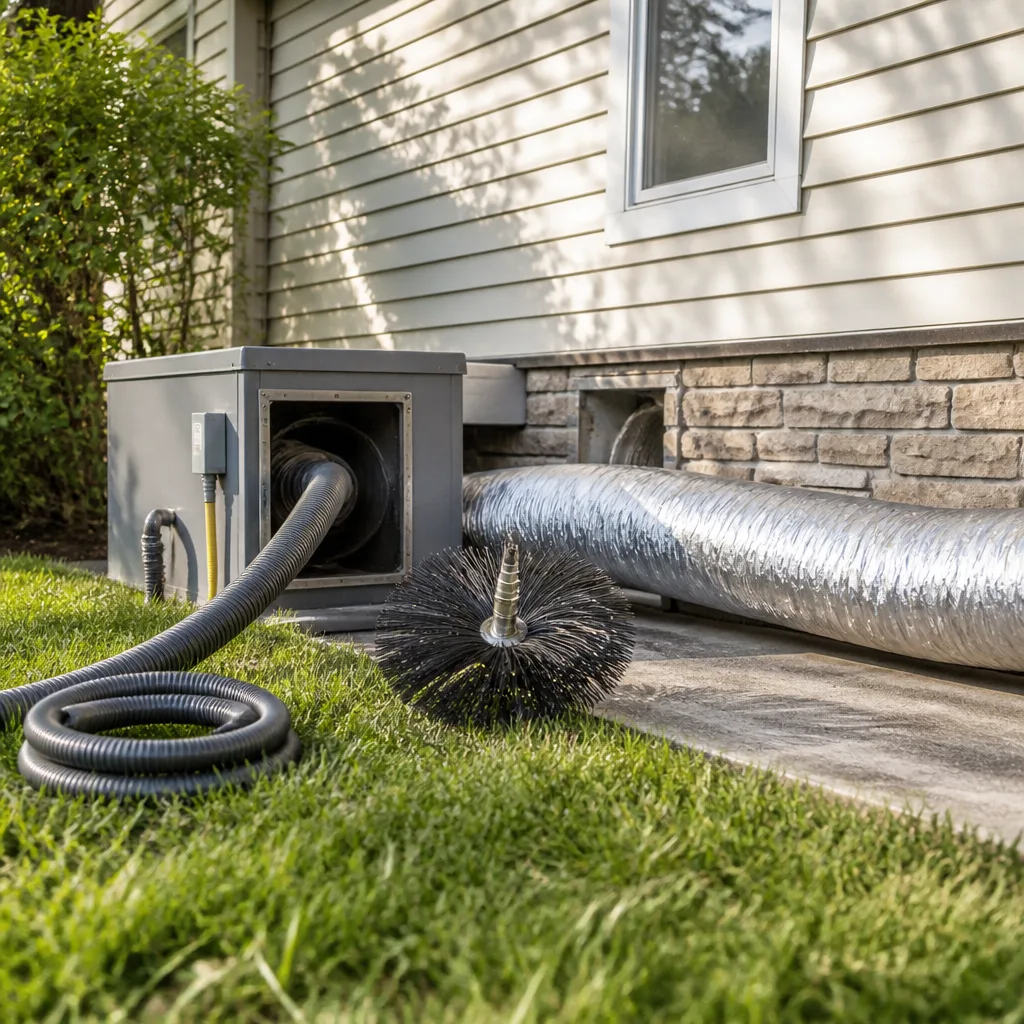 Whole-home duct cleaning
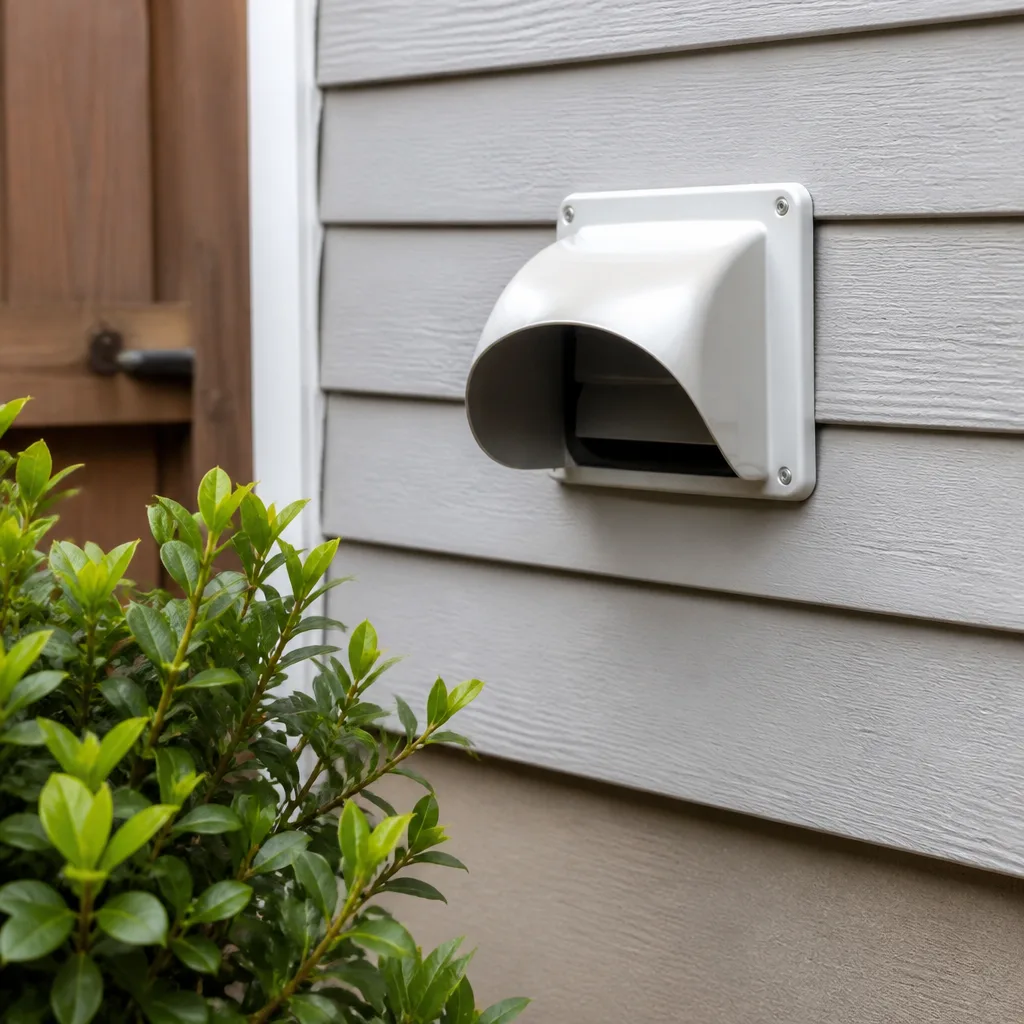 Dryer vent cleaning
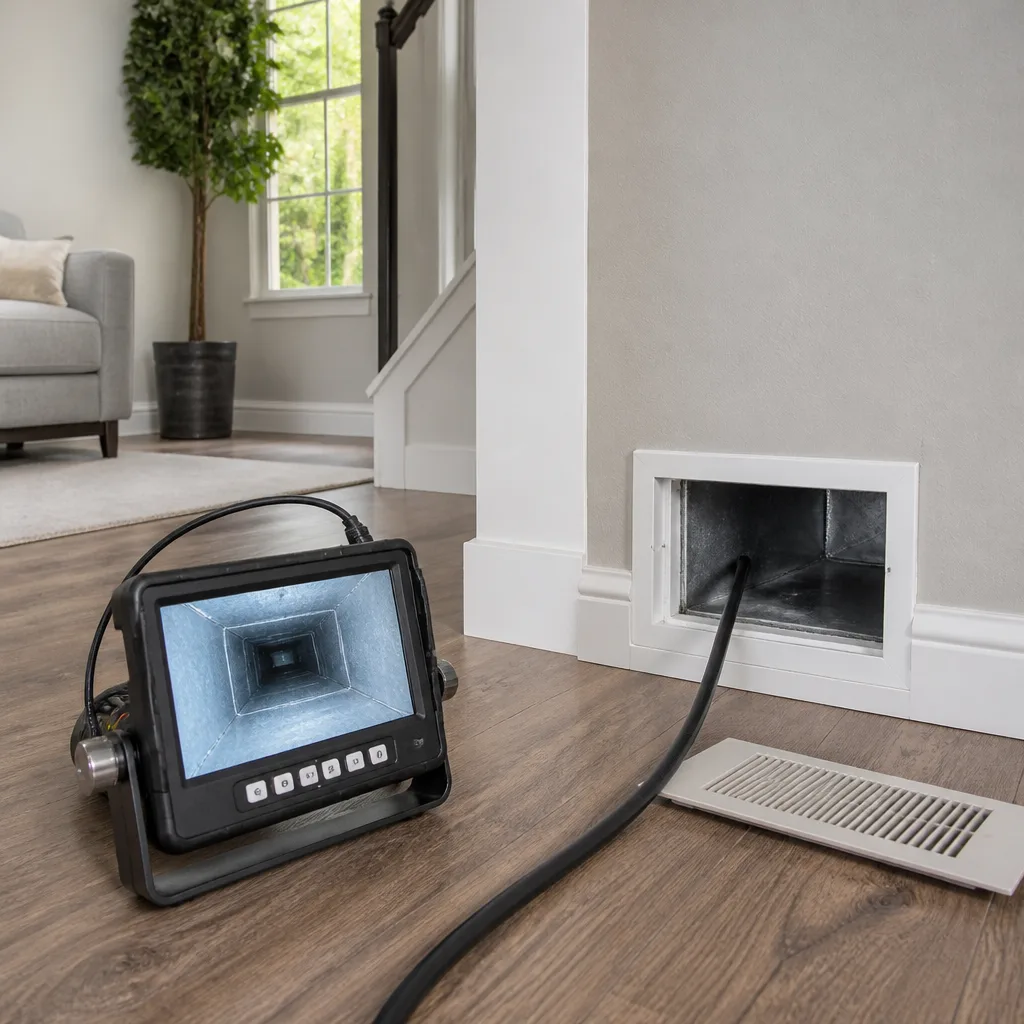 Camera inspection
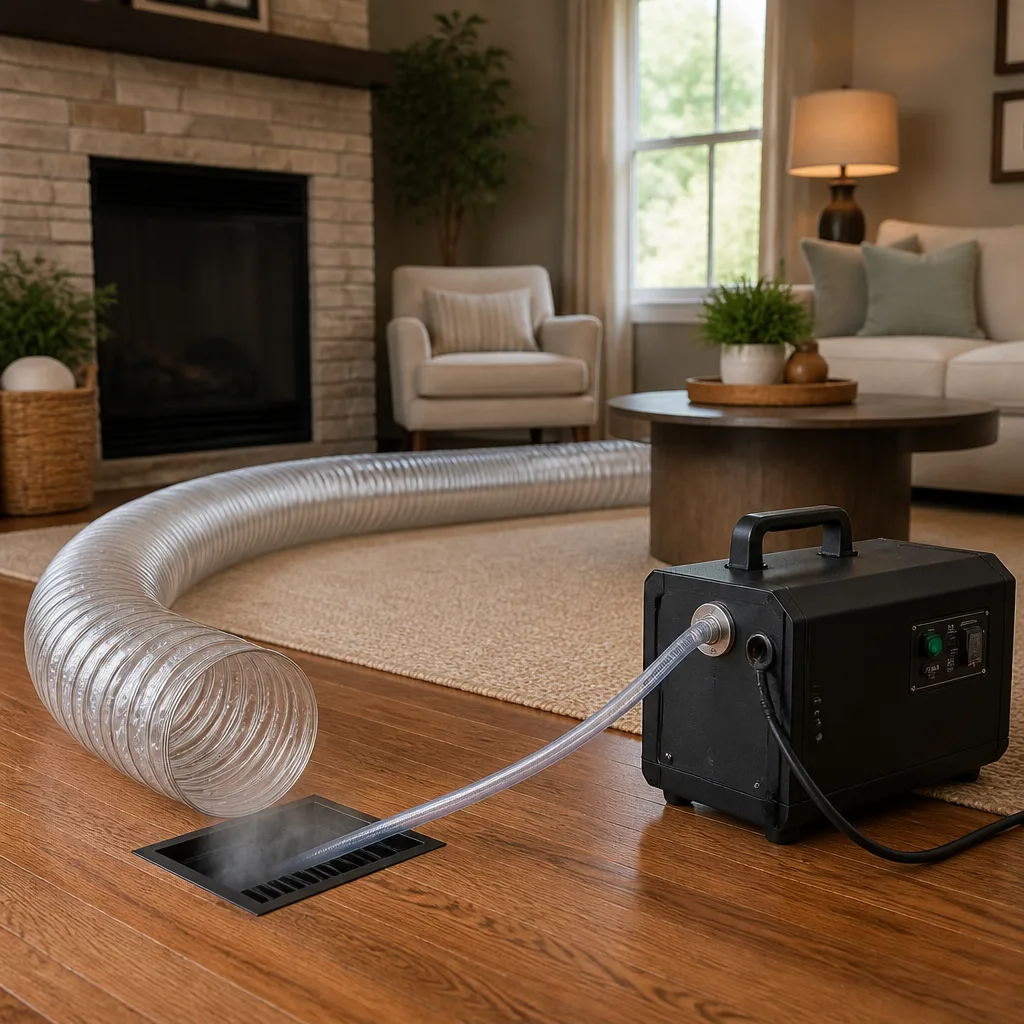 Sanitizing & deodorizing
Whole-system duct and dryer vent check with before-and-after photos - you see exactly what came out of your vents
That "$99 whole-house special" is a bait ad - the real number appears once they are in your hallway, or the "clean" is a shop-vac at the register. We photograph the inside of your ducts before and after instead.
How to Hire an Air Duct Cleaning Contractor in Peoria: A Step-by-Step Guide
Arizona does not require a specific license to clean air ducts. Any contractor with a shop vac and a website can legally take your money, and many do. That single fact reshapes how you should hire in Peoria: the vetting burden lands on you, not on a state board. Most hiring guides skip this and jump straight to “get three quotes.” That advice fails here because three unqualified bids are still three unqualified bids. This guide gives you the specific questions, equipment checks, and paperwork standards that separate a real duct specialist from an opportunist – written from inside the trade, by a Peoria company that does this work every week.
Quick Answer
To hire an air duct cleaning contractor in Peoria, verify three things before you book: that the company follows the NADCA ACR standard and can prove it, that they use commercial-grade negative air equipment (ask for the CFM rating and whether they run contact vacuum or agitation tools), and that they’ll give you a written scope of work and before-and-after photos of your own system. Price comes fourth. A contractor who can’t answer the equipment and documentation questions clearly is selling a service they can’t deliver, no matter what the quote says.
Styles & brands we work with
- Whole-home duct cleaning
- Dryer vent cleaning
- Camera inspection
- Sanitizing & deodorizing
Table of Contents
- Why Arizona Has No Duct Cleaning License (and What That Means for You)
- The Only Two Credentials Worth Asking About
- The Equipment Question That Reveals a Professional
- Red Flags Specific to the Peoria Market
- Why the Written Scope of Work Beats the Price
- How to Evaluate Before-and-After Documentation
- The 7-Step Hiring Process, Start to Finish
- What Peoria’s Climate and Housing Add to the Equation
Why Arizona Has No Duct Cleaning License (and What That Means for You)
Arizona has no state license specific to air duct cleaning. That’s the uncomfortable truth of this market. A company can register a business name, print cards, and start taking jobs with zero training, zero equipment standards, and zero oversight. Compare that to electrical or plumbing work, where the state requires a licensed trade professional. Duct cleaning sits in an unregulated gap.
The practical consequence is that “licensed and insured” means less than you think when you hear it on a duct cleaning pitch. A general contractor’s license or a business filing isn’t proof of duct-specific competence. Insurance matters, and you should ask for a certificate, but insurance is about liability, not quality. It protects you if something goes wrong; it doesn’t tell you whether the technician knows what they’re doing.
What fills the gap? Third-party standards, equipment verification, and documentation. In Peoria, where the demand for duct cleaning spikes after dust storms roll through the Valley, the unregulated nature of the trade means the market fills up fast with low-effort operators. The homeowner who asks hard questions gets a real answer from a real specialist; the one who shops on price gets whatever shows up.
We’ve watched this play out across the West Valley. The companies worth hiring don’t flinch at the questions below. They volunteer most of the answers before you ask. That’s the signature of a specialist who knows their trade is under-scrutinized and welcomes the chance to distinguish themselves.
The Only Two Credentials Worth Asking About
Strip away the logos and badges and there are really only two third-party benchmarks that mean anything in air duct cleaning: NADCA membership and compliance with the ACR standard. Everything else is marketing.
NADCA is the National Air Duct Cleaners Association. It publishes the industry’s technical standards, and membership signals a company has committed to a code of ethics and access to current best practices. It’s not a license, and NADCA membership alone doesn’t guarantee quality work, but it’s a meaningful filter.
ACR is the Assessment, Cleaning, and Restoration standard (published as ACR 2021 in recent editions), and it’s the document that defines what a proper cleaning actually involves: source removal, negative pressure containment, and verification. A company that follows ACR does the job in a defined sequence, with defined equipment, to a defined outcome.
Verifying both takes about 60 seconds:
- Ask if they’re a NADCA member. A straightforward yes or no. If yes, you can look up the member directory to confirm.
- Ask if they follow the ACR standard on every job. “We follow it when needed” is a softer answer than “we follow it, period.” The ACR standard isn’t optional for a professional.
- Ask what happens if a system fails the assessment. A company versed in ACR will talk about pre-cleaning assessment and post-cleaning verification. That’s the tell.
If a Peoria contractor can’t tell you what ACR stands for, they aren’t operating to any recognized standard. That’s your answer. Move on.
The Equipment Question That Reveals a Professional
This is where the conversation separates specialists from generalists. Ask what negative air machine they use and what CFM it pulls. CFM – cubic feet per minute – is the measure of how much air the machine moves. It’s the backbone of any proper cleaning, because it’s what keeps dust and debris from escaping into your home while the work is done.
A real professional will answer the CFM question without hesitation. A shop vac, even an expensive one, is not a negative air machine. It doesn’t create the pressure differential needed to pull debris out of a duct system and capture it, and it doesn’t hold containment. When someone shows up with a shop vac and a hose, you’re not getting duct cleaning. You’re getting a surface wipe of the register grilles.
Ask two follow-ups:
- Are you using a contact vacuum or an agitation system? Source removal requires mechanical agitation – brushing or whipping the duct walls to break debris loose – combined with high-CFM vacuum to pull it out. A crew that only vacuums from the register opening leaves the bulk of the debris in place.
- What’s the machine setup for a whole-house job? Professionals tie the negative air machine into the trunk line and create a closed containment. They’ll describe the process in plain terms.
Our own work runs on Rotobrush and Nikro systems – the same class of equipment used by remediation contractors and commercial facilities, not consumer-grade vacuums. We name the brands because the equipment is the difference. Most cleaners vacuum. We use Rotobrush and Nikro, and we’ll tell you exactly why that matters for your system. If you’re comparing quotes and one bidder can’t name their equipment, that’s the comparison your decision rests on.
Red Flags Specific to the Peoria Market
Peoria has a particular rhythm to its duct cleaning solicitations, and if you know the pattern you can spot the wrong operator from the driveway.
- The $49 whole-house door-to-door deal. These tend to show up after dust storms, when the whole Valley is thinking about what’s settled in their ducts. A whole-house cleaning for $49 isn’t possible with commercial equipment – the labor and setup alone cost more than that. What typically happens is a low opening number that grows once the technician is inside with a flashlight and a list of “problems.”
- Pricing per vent. A professional cleans the system, not a set of holes. Per-vent pricing invites the crew to charge by the register and pad the count. Ask for a flat price for the whole system, agreed before work starts.
- No written estimate. If it isn’t on paper before the work begins, it isn’t a price. It’s a starting point for negotiation in your living room.
- Pressure to “seal the ducts” or “sanitize” as a surprise add-on. Legitimate upgrades exist, but they’re discussed upfront. Surprise add-ons at the end of a job are how low-ball quotes become expensive ones.
- No photos, no proof. A contractor who won’t show you before-and-after photos of your own ducts is asking you to take the work on faith.
These solicitations cluster in neighborhoods throughout Peoria when the wind kicks up Valley dust. That timing is not a coincidence, and it’s not a reason to distrust everyone who knocks – it’s a reason to verify before you invite anyone in.
Why the Written Scope of Work Beats the Price
Price without scope is a number with no meaning. Two bids for “duct cleaning” can describe radically different amounts of work, and the cheaper one often wins the job by doing less of it. The scope of work is what turns a quote into a promise.
A legitimate proposal for an air duct cleaning in Peoria should include:
- The full list of system components covered – supply ducts, return ducts, registers, grilles, the air handler cabinet, and whether the blower compartment is included.
- The equipment to be used, including the negative air machine and the agitation tool.
- The cleaning standard being applied (ACR or equivalent) and how the result will be verified.
- Any repairs identified during the assessment, priced separately, with the customer’s approval required before they’re done.
- The flat price for the whole system, not a per-vent or per-hour figure.
- What documentation you’ll receive – typically before-and-after photos and a summary of findings.
If a bidder can’t put those items on paper, the bid is a guess. Ask for the scope in writing and compare bids item by item, not bottom line to bottom line. A bid that’s higher but covers the air handler and includes verification is likely the better value. A bid that’s lower and lists “duct cleaning” in a single line tells you nothing about what you’re buying.
One more thing to insist on: a flat price per system agreed before work starts. This is the strongest antidote to the bait-and-switch reputation this industry has earned. When the number is fixed and the scope is fixed, the room for surprise vanishes.
How to Evaluate Before-and-After Documentation
Before-and-after photos are the single easiest way to know if the work was actually done. A reputable contractor should offer them without being asked. If you have to request them, that’s a data point.
But not all documentation is created equal. Here’s what to look for:
- Photos of your own system, not stock images. Ask specifically for images taken inside your ducts before and after cleaning. A general gallery of “our work” isn’t verification; it’s marketing.
- Photos taken inside the ductwork, not just at the registers. Register grilles are easy to wipe clean. The real evidence is down inside the trunk and branch runs.
- A clear before/after pairing. You should be able to see the same section of duct in both images. Side-by-side framing makes this easy to judge.
- A written summary of findings. What was found, what was cleaned, what (if anything) was recommended for repair, and what was left alone and why. This is the report you keep.
Documentation serves two purposes. It proves the work, and it gives you a baseline for the next time. If you clean your ducts every few years, having photos from the last visit helps the next contractor know what “normal” looks like for your system. In Peoria, where dust events can vary year to year, that baseline is genuinely useful.
The 7-Step Hiring Process, Start to Finish
Here’s the whole thing in order. This sequence works whether you’re hiring for a routine cleaning or after a renovation kicked up debris.
- Define the job before you call anyone. Is this routine maintenance, post-renovation cleanup, a musty smell, a pest issue, or an allergy concern? The scope of the job tells you which questions matter most. A post-renovation cleanup, for example, calls for equipment that can handle heavy debris – ask specifically about it.
- Ask about NADCA membership and ACR compliance on the first call. The answers frame the rest of the conversation. If the person on the phone doesn’t know what ACR is, you’ve learned something.
- Ask the equipment question. Negative air machine type and CFM, plus contact vacuum or agitation. A professional will answer both.
- Request a written scope of work. Make sure it covers the air handler and blower compartment, not just the visible registers. Ask what’s excluded.
- Get the flat price for the whole system. Not per vent, not per hour. The written estimate sets the final price.
- Confirm the documentation you’ll receive. Before-and-after photos of your own ducts and a written summary. This should be standard, not an add-on.
- Book the job, and be present for the walkthrough. A good crew walks you through what they found and what they did before they leave. If they skip that step, ask for it.
That’s a 15-minute phone conversation and a paper trail. It’s the difference between knowing what you bought and hoping for the best. For a fuller picture of what a proper cleaning involves from start to finish, see our air duct cleaning page.
What Peoria’s Climate and Housing Add to the Equation
Peoria sits in the Sonoran Desert, and the environment shapes what builds up in a duct system. Dust is the baseline condition here, not an occasional nuisance. The Valley’s fine, powdery dust finds its way into return-air grilles and settles into horizontal duct runs. After a wind event, the accumulation can be visible and measurable. That’s the primary reason duct cleaning matters in Peoria in a way it might not in a more humid, less dusty climate.
Winters here are mild, which means HVAC systems run differently than they do in cold-climate markets. Cooling season dominates, and the return side of the system carries the heaviest dust load. The air handler cabinet and blower compartment often hold more debris than homeowners expect. This is one reason we insist the air handler be part of the scope: cleaning the ducts but skipping the air handler leaves a concentrated source of dust right at the center of the system.
Newer construction in Peoria’s growing West Valley neighborhoods has another wrinkle: post-construction debris. Drywall dust, sawdust, and construction grit end up in ductwork when a home is built, and builders don’t always clean the system before handover. A cleaning a few months after move-in catches what the builder left behind. That’s a different job from a routine maintenance cleaning, and it calls for equipment built for heavier debris – the kind of work that comes up more often than most homeowners realize.
For property managers and light-commercial customers across Peoria, the calculus is similar but the scope doubles. A commercial system with multiple zones needs a documented plan and a crew that can work around tenants. If you’re managing a property and comparing bids, our Peoria service overview is a good starting point. And if you want to understand the cleaning process itself before you hire, our main Duct Cleaning Peoria page walks through what a typical job looks like.
Common Mistakes to Avoid
- Hiring on price alone. The cheapest bid is usually cheap because it covers less. A $49 whole-house offer after a dust storm is a sales tactic, not a price. Judge the scope first, then the number.
- Skipping the equipment question. If you don’t ask about the negative air machine and the agitation system, you won’t know if the crew has the means to actually remove debris. Ask, and listen for specifics.
- Accepting a verbal scope. “We’ll clean the vents and the returns” means different things to different crews. Get it in writing, including what’s excluded – especially the air handler.
- Paying per vent. Per-register pricing invites padding and makes the final cost unpredictable. Insist on a flat price for the whole system.
- Not asking for photos of your own ducts. A before-and-after gallery from a company’s other jobs is not proof of your job. Request images from inside your system.
- Treating duct cleaning like it needs no planning. In Peoria’s dusty environment, a cleaning is worth scheduling thoughtfully – after a renovation, before allergy season, or as part of a periodic maintenance rhythm. Timing matters.
- Assuming “licensed and insured” is enough. In a state with no duct-specific license, that phrase proves liability coverage, not competence. Pair it with the ACR and equipment questions.
If a contractor pushes back on any of these, that’s the answer. A specialist welcomes the scrutiny. A generalist with a shop vac doesn’t want the conversation.
See the difference
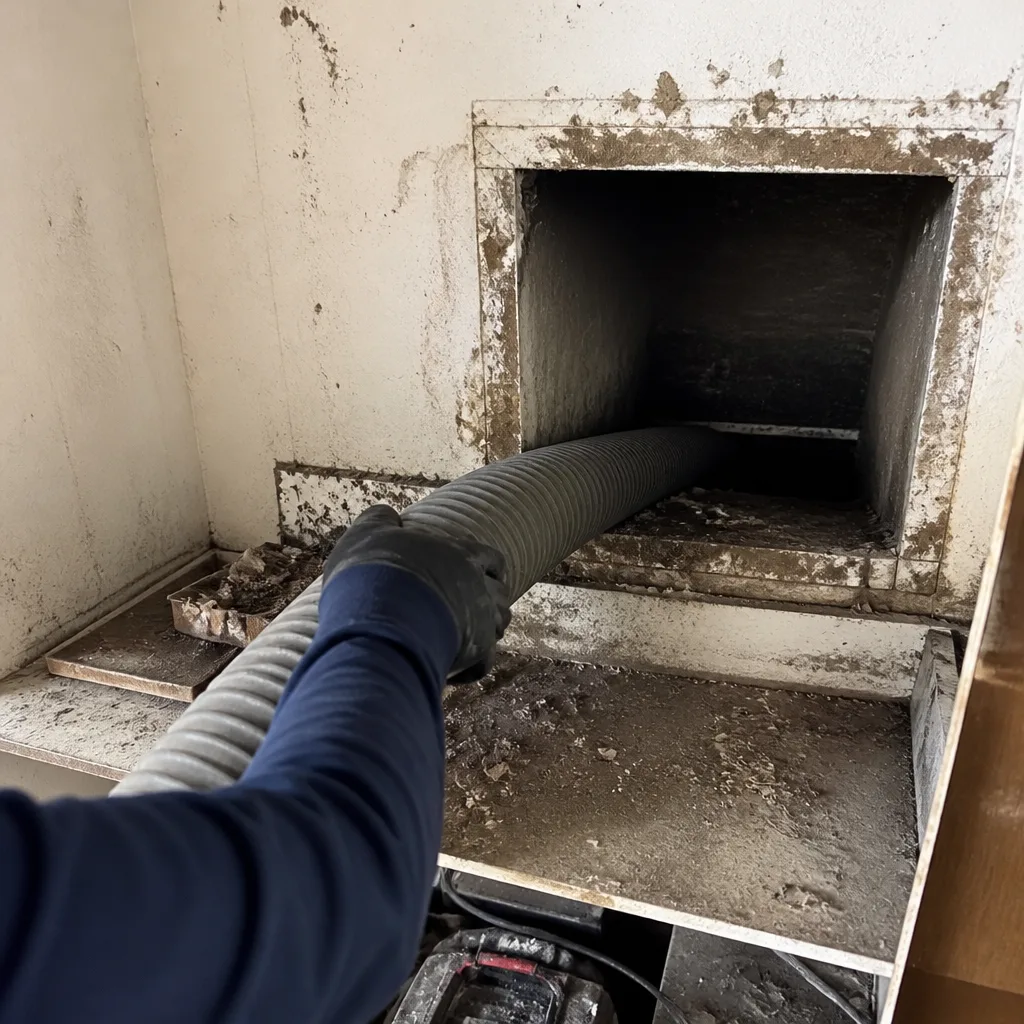 Before
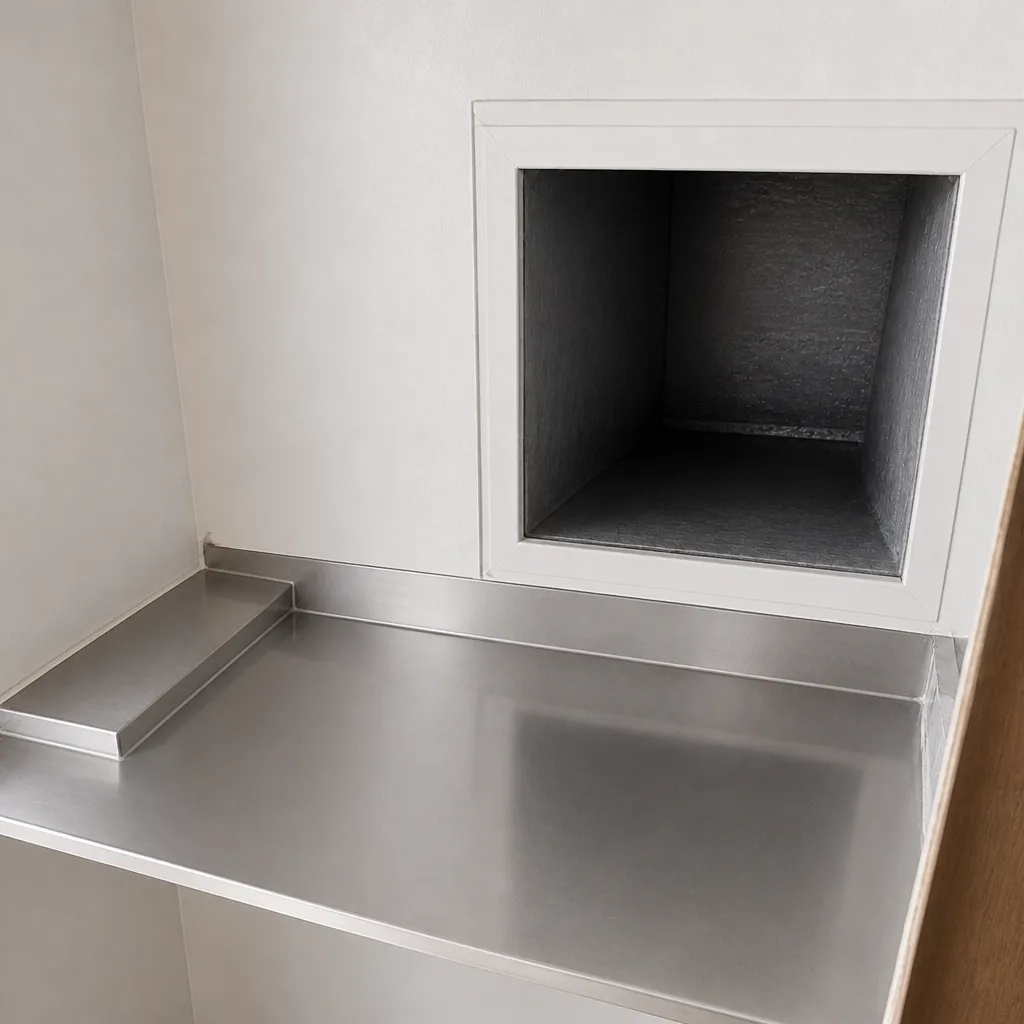 After
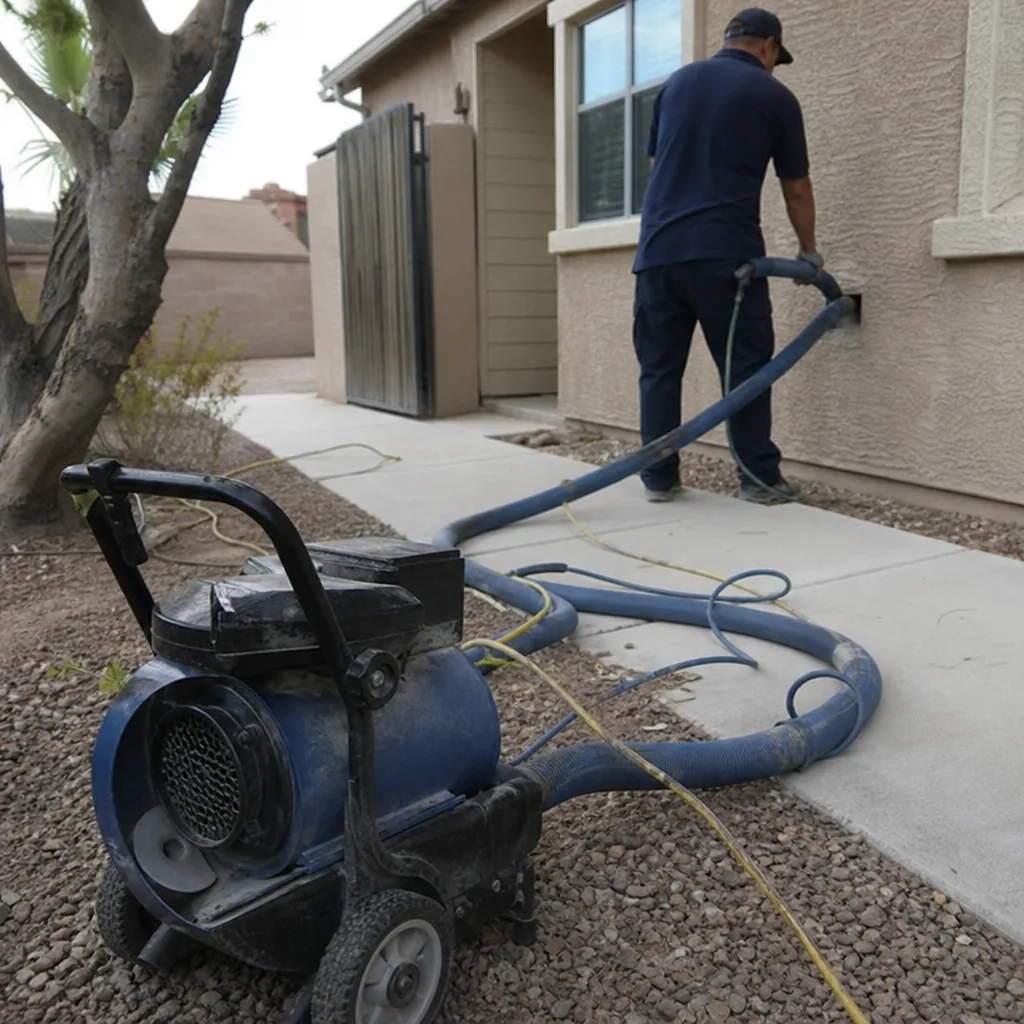 Before
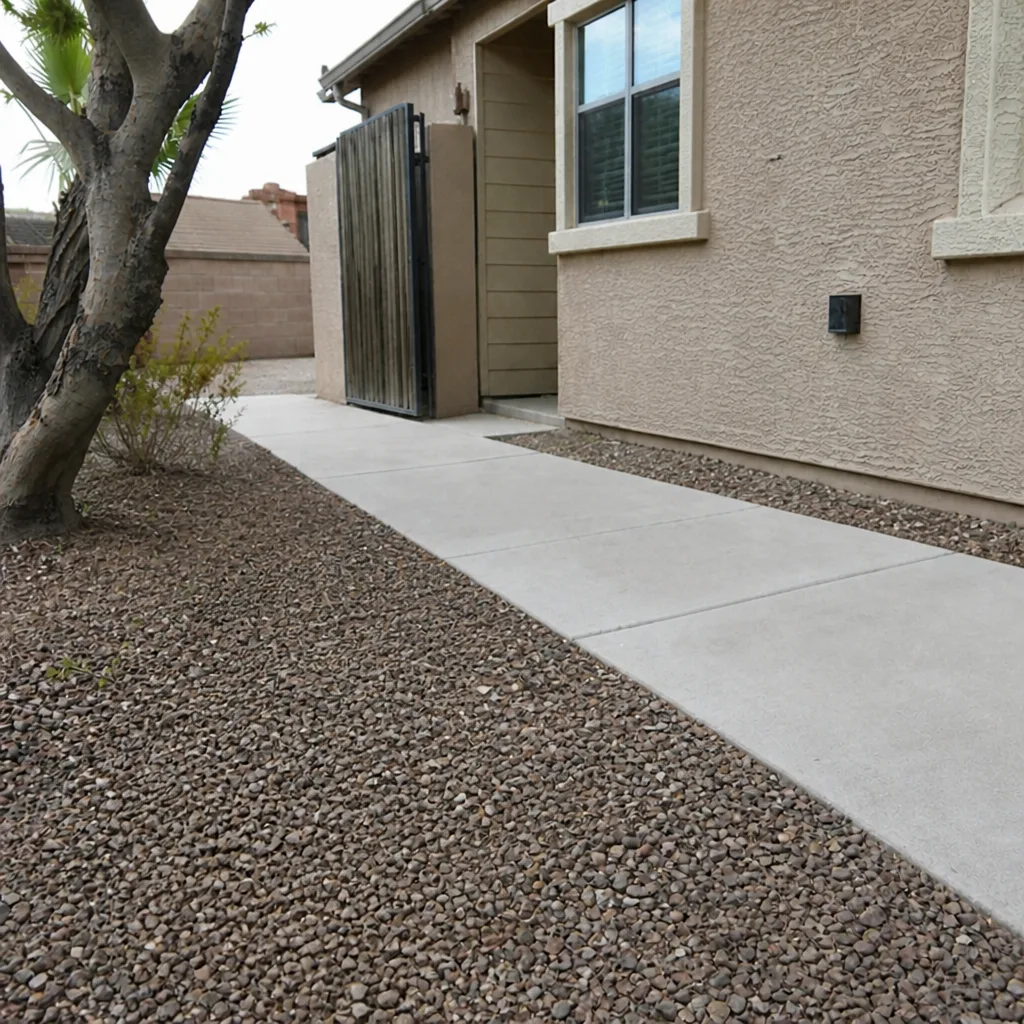 After
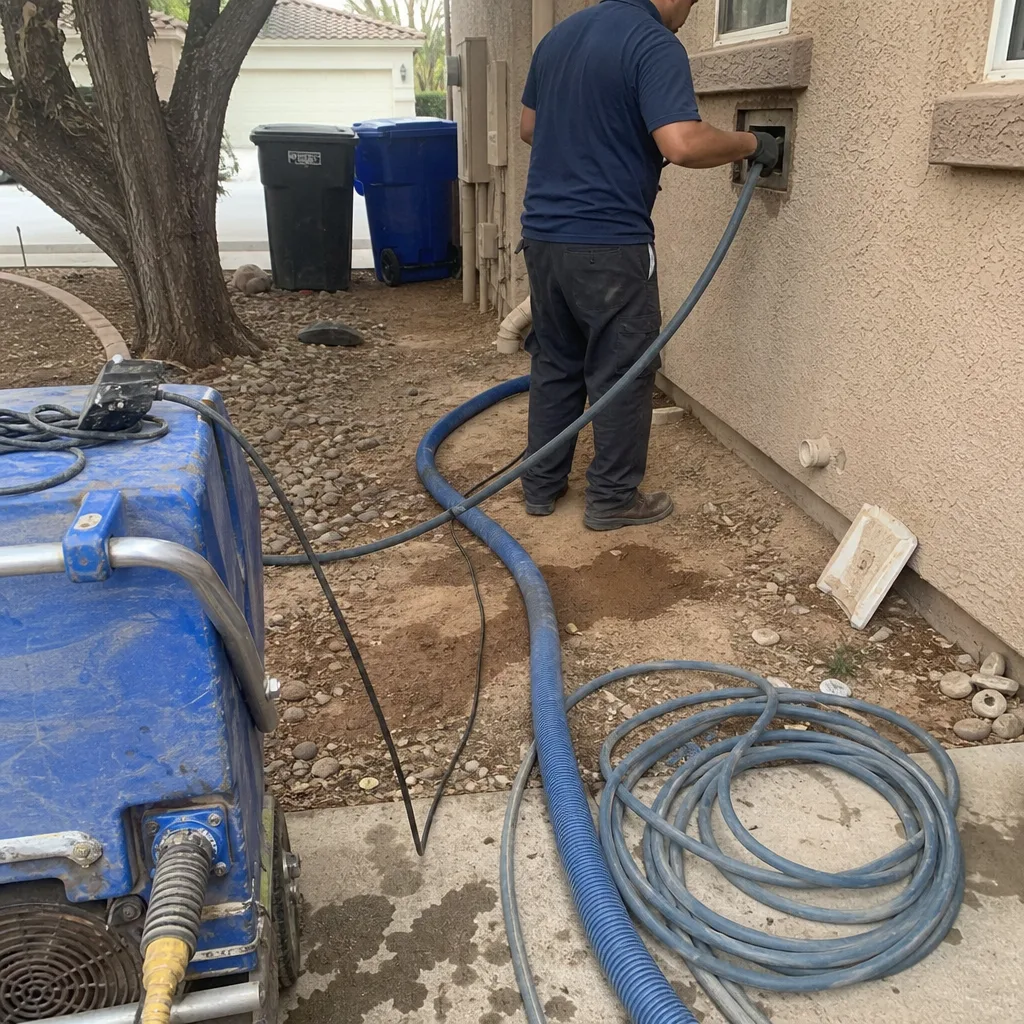 Before
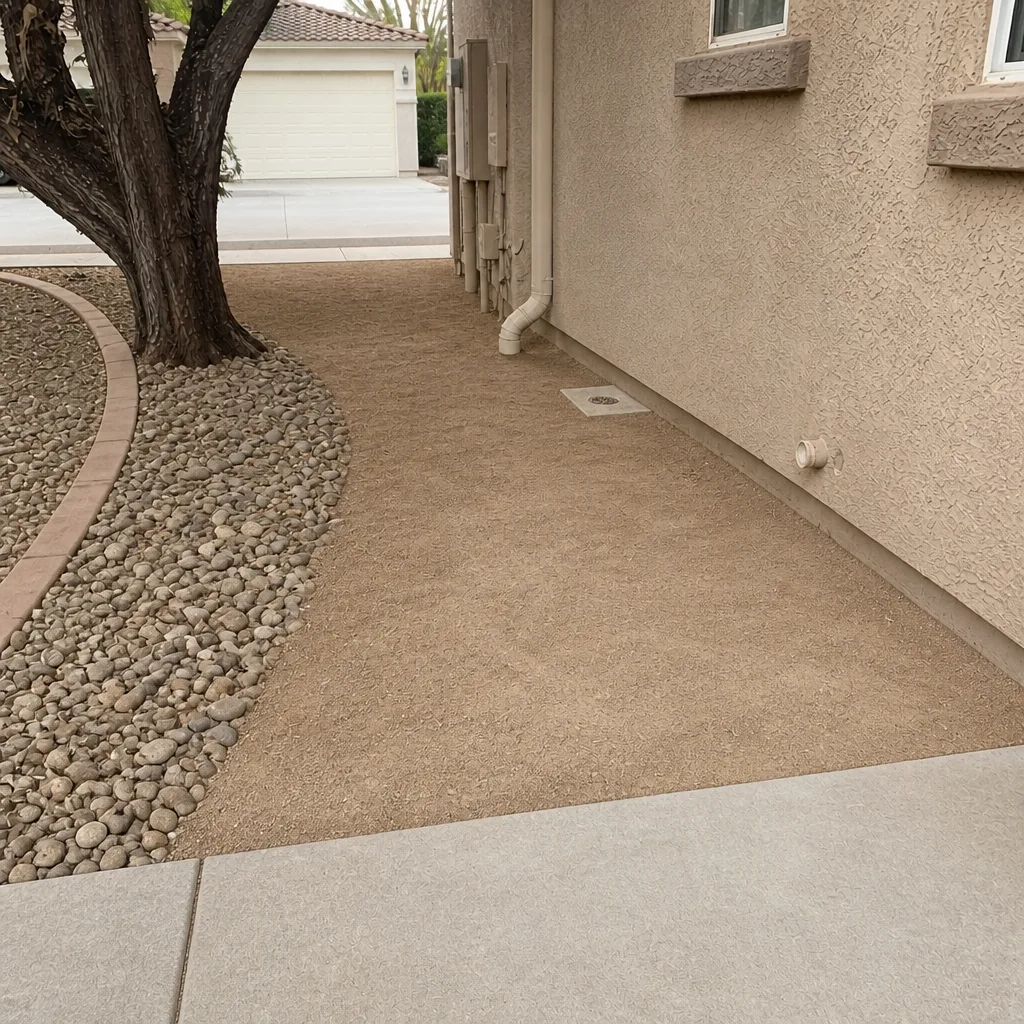 After
When to Call a Professional
Some jobs are clearly a professional’s work. If your Peoria home just finished a renovation and there’s visible dust in the registers, if a musty smell comes from the supply vents, if you’ve had a pest issue that may have left debris in the duct runs, or if someone in the household has allergies that seem tied to the HVAC system, book an evaluation. Visible mold or heavy contamination calls for equipment designed for that level of work – the kind of gear most residential cleaners don’t own. And any job where a contractor finds torn or disconnected ductwork during cleaning is a job that needs a repair capability on site, not a second contractor to be sourced later. Duct Cleaning Peoria offers free estimates in Peoria – call (844) 834-5310. We answer 24/7. Fast dispatch from 7am to 7pm, Sunday through Friday.
Frequently Asked Questions
Most whole-house air duct cleanings in Peoria fall into a range that depends on the size of the system, the number of returns, whether the air handler is included, and how heavy the debris load is. You should get a flat price for the whole system agreed before work starts, in writing. Be cautious of any quote that’s dramatically lower than the others – it usually reflects a smaller scope, not a better deal. Call (844) 834-5310 for an exact quote – estimates are free.
Cheap quotes are usually cheap because they cover less work, not because the contractor is more efficient. A low bid might clean only the supply registers, skip the air handler, or use a shop vac instead of a negative air machine. Once the crew is on site, the “extras” get priced. A flat price per system, in writing, closes that gap. Call (844) 834-5310 to see what a full-scope estimate looks like.
Ask for before-and-after photos of your own ducts, taken inside the system, plus a written summary of what was cleaned and what was found. A reputable contractor provides these without being asked. If documentation isn’t offered, request it up front. Call (844) 834-5310 if you want to see what our documentation looks like.
For most Peoria homes, every few years is a reasonable rhythm, but the right interval depends on your situation: pets, allergies, recent renovations, and how often Valley dust events push debris into the system. A home near a construction site or one with a heavy dust exposure may need cleaning sooner. Call (844) 834-5310 and we can help you decide whether now is the right time.
No. Arizona doesn’t require NADCA membership or any duct-specific license. NADCA membership and ACR standard compliance are voluntary, which is exactly why they’re worth asking about – a contractor who has them chose to meet a standard the state doesn’t enforce. Call (844) 834-5310 to ask how we apply those standards on every job.
Yes. Duct repair is a standalone service for us, which means if the crew finds a disconnected run, a crushed section, or a failed joint during cleaning, we can fix it rather than leaving you to find a second contractor. That’s part of the point of hiring a specialist instead of a generalist. Call (844) 834-5310 to discuss a repair estimate.
A professional uses a high-CFM negative air machine to create containment, plus an agitation tool – a contact vacuum or a rotary brush system – to break debris loose from the duct walls. We run Rotobrush and Nikro systems and use Abatement Technologies equipment for heavier contamination jobs. If a contractor can’t name their equipment, ask why. Call (844) 834-5310 to talk through what a job on your system would involve.
The Bottom Line
Arizona’s lack of a duct cleaning license means you are the vetting authority. That’s not a reason to avoid hiring – it’s a reason to hire deliberately. Ask about NADCA membership and ACR compliance, ask what CFM the negative air machine pulls and whether the crew uses contact vacuum or agitation, and demand a written scope of work with a flat price for the whole system. Then ask for before-and-after photos of your own ducts. A specialist answers all of it without hesitation. A generalist with a shop vac doesn’t. That’s the whole test, and it takes about 15 minutes to run. Whether you hire us or someone else, ask the questions. Get the paperwork. Let the equipment and documentation do the deciding.
If you want to start with a specialist, our dryer vent cleaning team is a good place to see how we approach a related system, and our duct repair service can handle anything the cleaning turns up. Call (844) 834-5310 for a free estimate. We answer 24/7. Fast dispatch from 7am to 7pm, Sunday through Friday. We work with Rotobrush and Nikro equipment on every job, we follow Guardsman-grade cleaning standards, and we’ll show you the photos when we’re done.
Written by the team at Duct Cleaning Peoria.