
Last updated November 15, 2026
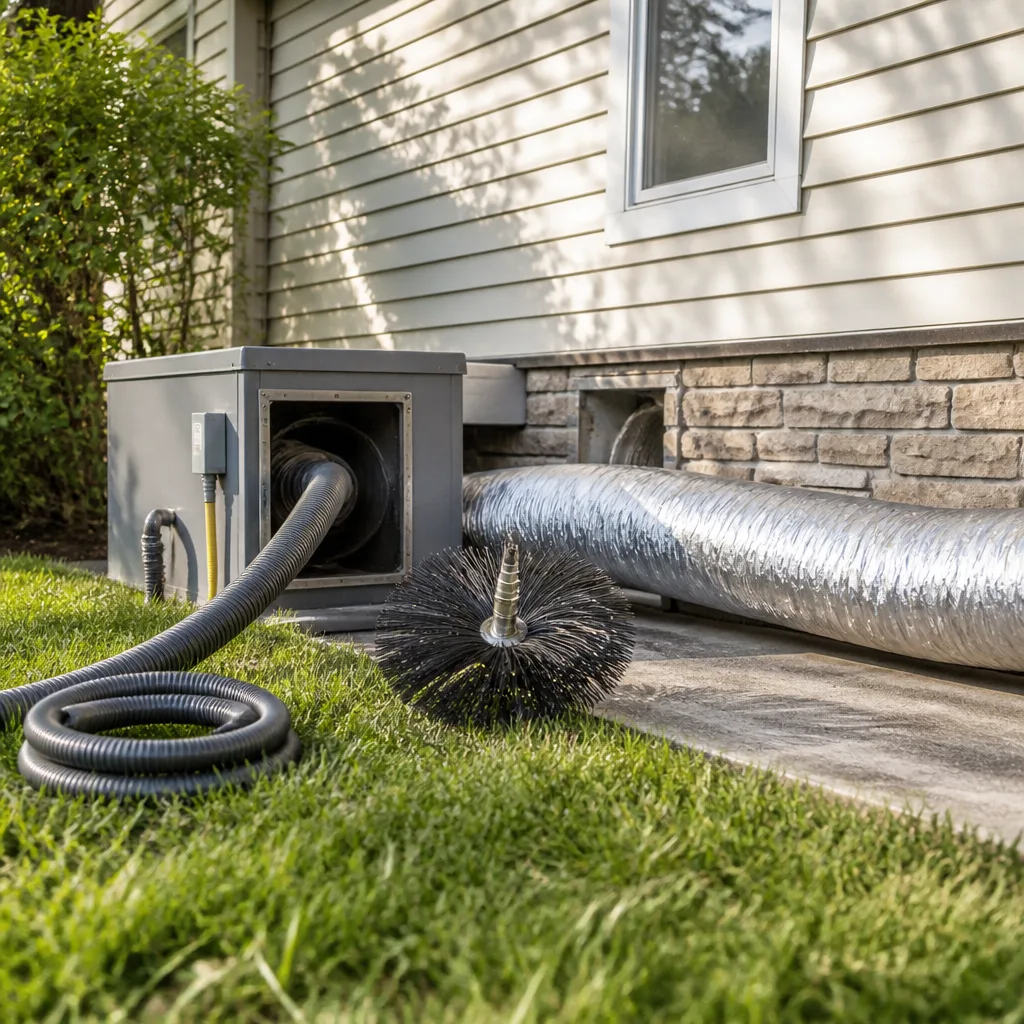 Whole-home duct cleaning
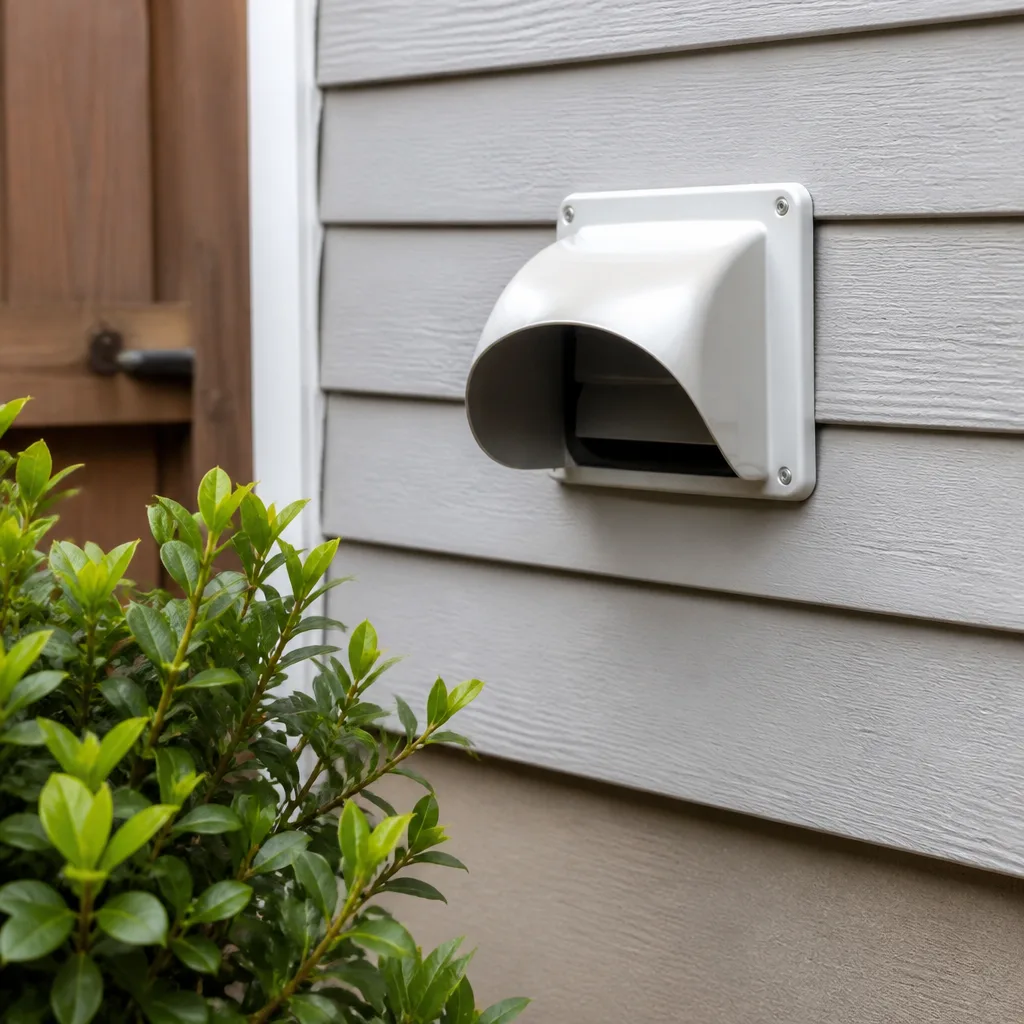 Dryer vent cleaning
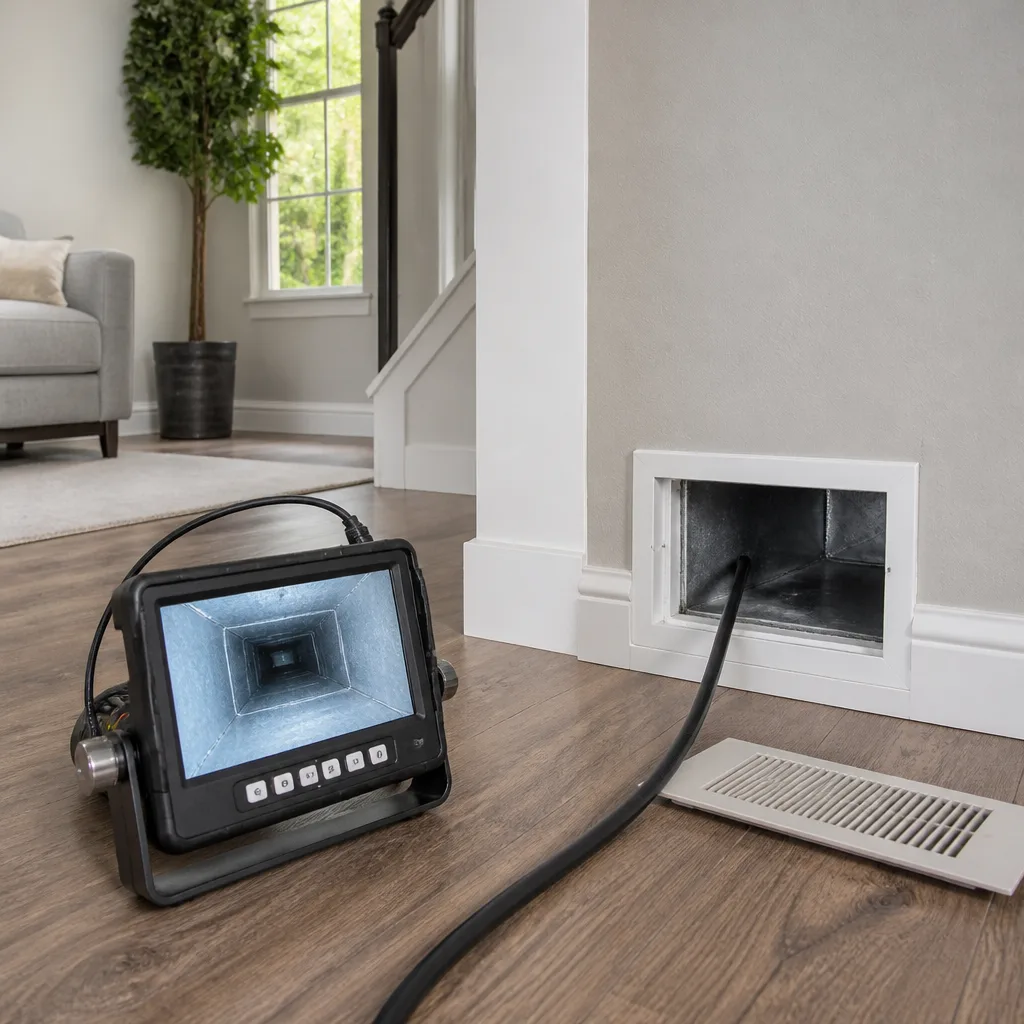 Camera inspection
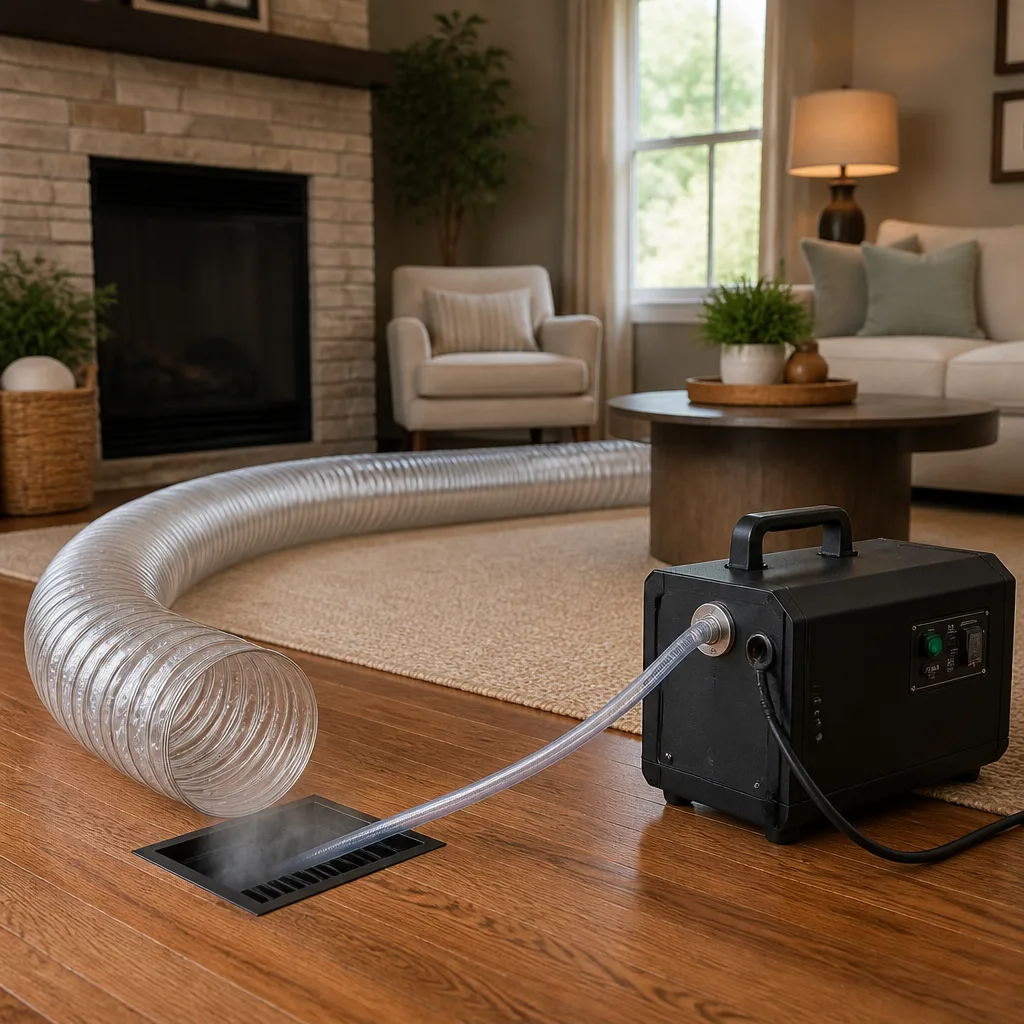 Sanitizing & deodorizing
Whole-system duct and dryer vent check with before-and-after photos - you see exactly what came out of your vents
That "$99 whole-house special" is a bait ad - the real number appears once they are in your hallway, or the "clean" is a shop-vac at the register. We photograph the inside of your ducts before and after instead.
Seasonal Air Duct Cleaning Care for Peoria: Year-Round Homeowner’s Guide
October is when most of the country thinks about fall duct cleaning. Here in the Sonoran Desert, October is really the end of air conditioning season, the point where you’re assessing what five months of continuous cooling just did to your ductwork. Peoria doesn’t run on four equal seasons. It runs on two cooling seasons split by a monsoon window, with a mild, short winter between them. Each of those periods stresses the ducts in a different way, and a care calendar built around them beats a generic spring-and-fall to-do list. This guide walks you through that calendar month by month: what to check before cooling season, what the monsoon does to attic ductwork, why an October assessment makes sense, and how to line up filter changes with professional cleaning.
Quick Answer
In Peoria, AZ, the best time to schedule a professional duct inspection is October, right after monsoon season ends and full-time cooling winds down. Pre-cooling-season checks happen in February and March, before the system runs continuously. The monsoon months of July through September are the highest-risk window for moisture getting into attic ductwork, so watch for musty smells and visible condensation then. A brief visual check in winter, when runtime drops, rounds out the year.
Styles & brands we work with
- Whole-home duct cleaning
- Dryer vent cleaning
- Camera inspection
- Sanitizing & deodorizing
Table of Contents
- Why Peoria Really Has Two Cooling Seasons
- Pre-Season Prep in February and March
- The Monsoon Window: July Through September
- Post-Monsoon Assessment in October
- Winter: Reduced Runtime and Settling Particulate
- Timing Cleaning Around Filter Replacement
- What a Professional Duct Cleaning Visit Involves
- Neighborhood Notes Across Peoria
Why Peoria Really Has Two Cooling Seasons
Most duct care advice is written for a temperate climate with three or four months of heating and three or four months of cooling. Peoria works differently. The cooling load here starts building in April, peaks through June, holds through the monsoon, and only really lets go in late September or October. Then the system settles into a much lighter stretch through November, December, January and February, with mild daytime temperatures and occasional cool nights. When the weather warms again in spring, the cycle resets.
That pattern matters for your ducts because runtime drives everything. A system that runs for hours a day pulls far more air through the ductwork than one that cycles on briefly. More air volume means more dust and debris pushed along the interior surfaces, more load on the filter, and more opportunity for anything loose inside the ducts to be stirred up and delivered into the rooms.
- First cooling season: roughly April through June, the ramp-up and peak load period.
- Monsoon window: July through September, the highest-risk period for moisture issues.
- Mild winter: November through February, when reduced runtime lets particulate settle.
- Spring reset: late February and March, when you prepare for the next round.
If you’ve only ever thought of duct cleaning as something you do “once a year, whenever,” this framing should change your thinking. In Peoria, it’s less about a single annual appointment and more about knowing which quarter of the year you’re in and what it’s doing to your system.
Pre-Season Prep in February and March
February and March are your last quiet window before the system goes into near-constant operation. What you check now determines how the next five or six months go. The goal isn’t to do the cleaning yourself; it’s to identify anything that needs professional attention before the load ramps up and problems get worse.
Here’s a practical checklist for that pre-season window:
- Look at the supply registers. Pull a couple of floor and ceiling grilles and shine a light inside. You’re looking for a visible coating of dust, debris stuck to the sides, or anything loose.
- Sniff near the return grille. A musty or dusty smell right at the return often points to buildup inside the system rather than just a dirty filter.
- Check the filter and note the date. A fresh filter at the start of cooling season gives you a clean baseline, and recording the date helps you judge replacement intervals.
- Listen at the registers. Whistling, rattling, or noticeably weak airflow at one vent can mean a disconnected or crushed run of duct.
- Look at accessible attic duct runs. From a safe vantage, check for sagging flexible duct, disconnected joints, or visible moisture. Don’t climb into tight attic spaces or handle anything that looks damaged.
- Book an inspection if you found anything on the list. A trained technician can confirm what you’re seeing and get it handled before the hot stretch.
Some of these checks are just looking and listening. If a duct is disconnected, crushed, or visibly deteriorating, that’s a repair problem, and it’s better to catch it in March than to discover it in July. Our team handles air duct cleaning and repair as separate services, so if a cleaning visit turns up damage, it can be addressed rather than handed off to someone else.
The Monsoon Window: July Through September
This is the stretch to pay the most attention to, especially if any of your ductwork runs through the attic. Monsoon season brings sudden heavy rain and sharp jumps in humidity after months of dry heat. Attic ductwork that’s been baked and dried out for weeks suddenly sits in a much more humid environment. That swing can expose weak points: loose joints, degraded insulation, gaps where a run connects to a boot or plenum.
Moisture and dust are a bad combination in a duct system. Damp dust on the interior walls of a duct is where mold and musty odors tend to start. That’s a contamination-level problem, and it’s the kind of job that needs proper equipment rather than a consumer vacuum. We use Abatement Technologies air equipment for exactly this scenario, the heavily soiled or contaminated systems most residential cleaners turn away.
Early indicators to watch for during the monsoon:
- A musty or damp smell when the system first kicks on, especially noticeable in the morning.
- Visible condensation or water staining on attic duct runs or near the air handler connections.
- Any sign of water intrusion in the attic that happens to be near the ductwork.
- A sudden increase in dust at the registers after a big rain event.
- Any musty odor that persists after replacing the filter.
If you notice any of these, don’t let it sit through the rest of the season. Moisture problems get worse, not better, and catching them early is the difference between a cleaning and a bigger repair. If you’re in Peoria and want a professional assessment, our Peoria page has details on local service and scheduling.
Post-Monsoon Assessment in October
October is the single best month of the year for a professional duct inspection in Peoria. The reasoning is simple: you’ve just come through the heaviest load period and the highest-risk moisture window back to back. Anything the system accumulated over the summer, or any damage the monsoon exposed, is fresh and easy to spot. And the system is winding down, so you have time to act before the next cooling season.
What makes October a better call than the generic “fall cleaning” advice:
- You’ve got a full summer’s evidence. Five months of continuous running means the dust load, airflow issues, and moisture problems are all at their most visible.
- The system is quieter. Reduced runtime makes it easier to identify airflow problems that get masked when everything is running hard.
- You have time to fix what’s found. A duct repair identified in October can be completed before the spring ramp-up.
- You avoid the seasonal rush. Much of the country schedules duct work in the fall; in Peoria, the real reason to book this month is post-season assessment, not the calendar itself.
An October assessment isn’t a hard sell. In many cases the system is fine and just needs cleaning. In others, the visit catches a disconnected run or a deteriorating section of flexible duct that was quietly costing airflow all summer. Either way, you go into winter knowing what you have.
If you’ve had a renovation, a pest issue, or a member of the household with allergies, those triggers shift the timing. A post-renovation cleaning shouldn’t wait for October; construction debris in the ducts needs addressing once the work is done. The seasonal calendar is a baseline, not a rule.
Winter: Reduced Runtime and Settling Particulate
November through February is when your system gets a break. Daytime temperatures are mild, the system cycles on and off rather than running continuously, and airflow through the ducts slows considerably. That’s good for energy use, but it has one consequence worth understanding: when air isn’t moving constantly through the ducts, fine particulate settles. Dust that would have been carried through the system and trapped by the filter sinks and comes to rest on duct surfaces and register grilles.
When the system starts running again in spring, that settled material gets stirred back up. If you replaced a filter in October, the first weeks of the new cooling season can load it faster than you’d expect, because you’re moving a winter’s worth of settled dust. That’s why a brief visual check late in the winter, before the ramp-up, is worth doing.
A quick winter check should cover:
- Registers and grilles: a visible layer of dust on the slats after winter is a sign of settling rather than active shedding.
- Filter condition: note how fast the filter loads up during reduced-runtime months, which tells you something about the overall dust load in the system.
- Any new smells: a musty smell that shows up in winter, when the system is mostly idle, often points to an issue that needs a professional look.
- Visible duct condition: any change in accessible attic runs since the fall.
This isn’t a deep inspection. It’s a quick look that tells you whether the spring reset needs to include a professional visit or just a new filter.
Timing Cleaning Around Filter Replacement
Filter changes and duct cleaning work together best when they’re sequenced intentionally. If you clean the ducts and then immediately install a fresh filter, the filter keeps the cleaned system clean for longer. If you replace the filter and then have the ducts cleaned a few weeks later, that new filter takes the brunt of the post-cleaning settling. The order matters.
A sensible sequence for a Peoria home:
- Have the ducts cleaned first. The cleaning removes accumulated dust and debris from the interior surfaces.
- Install a fresh filter immediately after. The new filter starts working on a clean system, so it captures the small amount of material that naturally circulates.
- Record the install date. Note it on the filter itself or in a phone note so you can judge the real replacement interval for your home.
- Check the filter a month in. If it’s already visibly loaded, that tells you the system is moving more debris than a clean one should, which is worth a conversation.
- Line up the next cleaning with the calendar. For most homes in Peoria, a cleaning in October sets up the filter change for the following spring, and the two stay in sync.
Filter choice is worth a moment too. Higher-MERV filters capture finer particles but can restrict airflow if the system wasn’t designed for them. If you’re not sure what your system can handle, ask during the cleaning visit. We’re familiar with the Honeywell and Aprilaire indoor air quality lines and can help you think through filter options that fit your system’s airflow without choking it, which is a different question from just buying the most expensive filter on the shelf.
If you’re also dealing with a dryer that takes two cycles to dry a load, that’s a separate system with its own maintenance timing. dryer vent cleaning is worth scheduling alongside your duct work, since both involve moving air and both benefit from a clean, unobstructed path.
What a Professional Duct Cleaning Visit Involves
A real duct cleaning is not a quick pass with a shop vacuum. It’s a process with defined steps, and knowing what those steps are helps you judge whether a quote is reasonable. The equipment matters too. Consumer-grade vacuums don’t move enough air volume to pull material off the interior walls of ductwork. Professional equipment does.
We use Rotobrush and Nikro duct cleaning systems on every job, the same class of equipment used by remediation contractors and commercial facilities. The general sequence looks like this:
- Assessment: the technician walks the system, identifies all the supply and return runs, checks accessible attic ductwork, and looks for signs of damage or moisture.
- Setup: the system is connected to a high-volume vacuum unit, and registers are removed or opened to give access to each run.
- Cleaning: rotating brushes and air whips push through each run, loosening debris that the vacuum pulls out of the system.
- Debris capture: the collected material ends up in the vacuum’s containment, so it’s removed from the home rather than redistributed.
- Inspection: the technician checks the cleaned runs and looks for anything the cleaning exposed, such as a disconnected joint or a crushed section.
- Documentation: before-and-after photos of your own ducts are captured so you can see what was done.
Repair is where a specialist matters. If a run is disconnected or crushed, cleaning it is only half the job. We offer air duct cleaning and repair from a single provider, so you’re not left to find a second contractor to fix what the first one found. For most customers, one flat price per system is agreed on before any work starts, based on the written estimate, which is why we don’t quote per-vent pricing.
Neighborhood Notes Across Peoria
Peoria covers a lot of ground, and the housing stock varies enough that a care calendar should account for it. Homes in older parts of Peoria, closer to the original town center, often have older duct systems with more rigid metal runs and more years of accumulated dust. Newer construction in the northern parts of the city tends to use flexible duct, which is more prone to sagging and joint separation if it wasn’t installed with proper support.
Homes near the newer developments on the north side also tend to have ductwork running through unconditioned attic space, which is exactly where the monsoon window creates the highest moisture exposure. If your attic ductwork is flexible and runs a long distance through a hot attic, monitoring it after big rain events is worth the effort.
Property managers in Peoria have a specific challenge: turnover between tenants often leaves a system that sat idle or ran with a filter nobody changed. A pre-move-in cleaning and inspection is a practical way to reset the system and avoid a tenant complaint about dust or smells in the first weeks of a lease. If you manage multiple properties, the October assessment window works well as a scheduled annual review.
Common Mistakes to Avoid
- Treating fall as the only cleaning season. The generic “clean in fall” advice exists for a reason in other climates, but in Peoria the more useful date is October specifically, because that’s when you’re actually assessing the summer’s impact. Cleaning in, say, May skips the season you most need evaluated.
- Ignoring the monsoon moisture signals. A musty smell that shows up in August and fades in October is still a moisture problem. Waiting until it’s convenient to address can turn a cleaning into a repair.
- Choosing a generalist over a duct specialist. Plenty of contractors offer duct cleaning as an add-on. The equipment and process are different enough that a dedicated specialist is a better bet, especially if contamination is involved.
- Assuming a new filter solves a dust problem. If registers are dusty within days of a filter change, the filter isn’t the issue; the ducts are.
- Cleaning before repair. If a run is disconnected or crushed, cleaning it accomplishes little. Get the damage fixed first, or use a provider that does both.
- Replacing the filter before a cleaning rather than after. A brand-new filter right before a duct cleaning takes the brunt of the post-cleaning settling. Sequence it the other way.
- Skipping the winter check entirely. It’s a few minutes of looking and listening, and it’s the easiest point in the year to catch a problem before it compounds.
See the difference
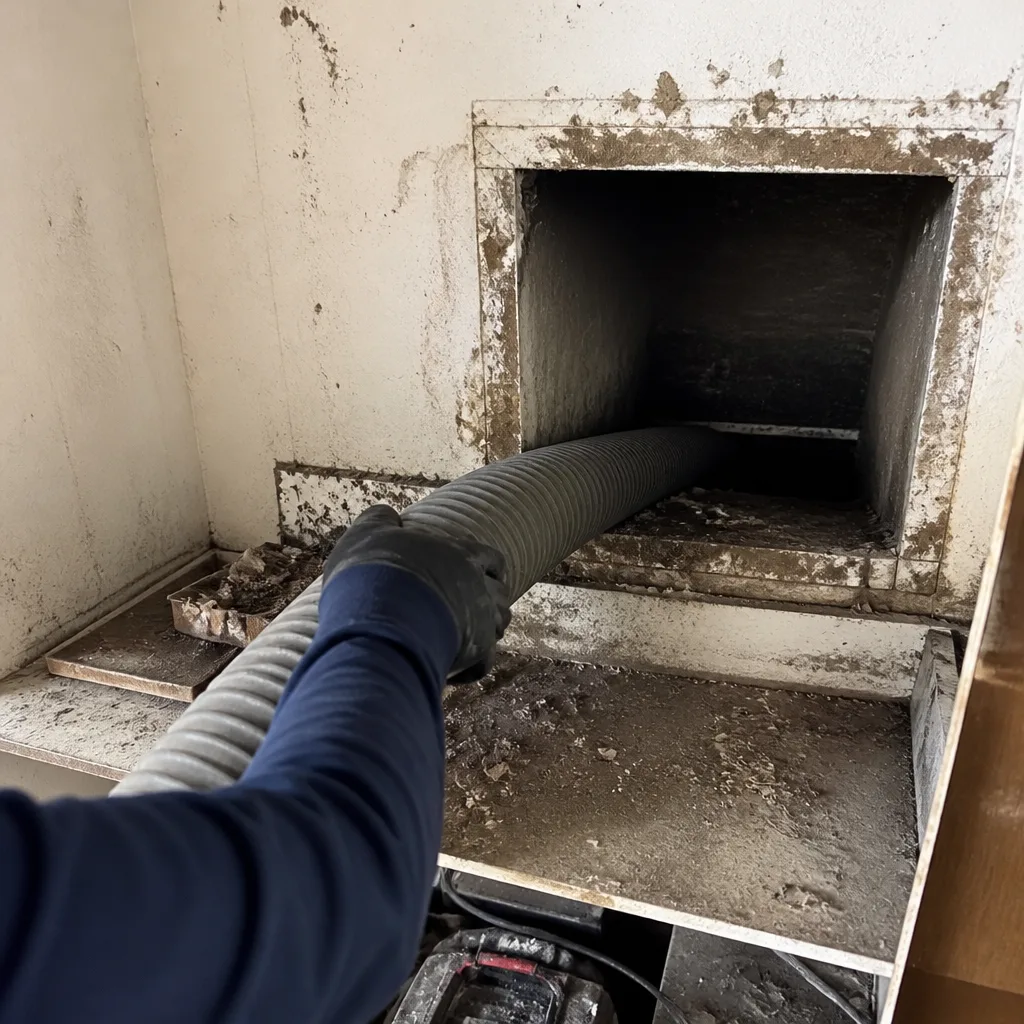 Before
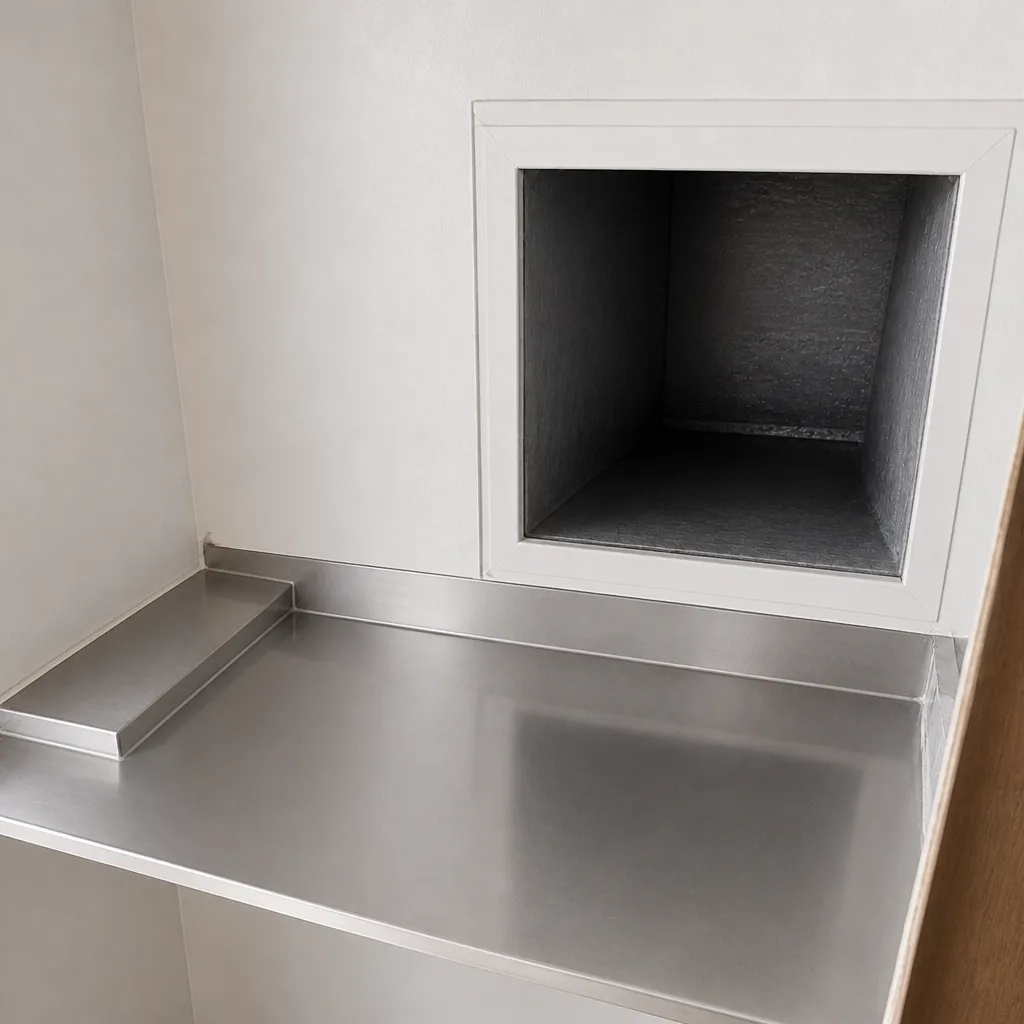 After
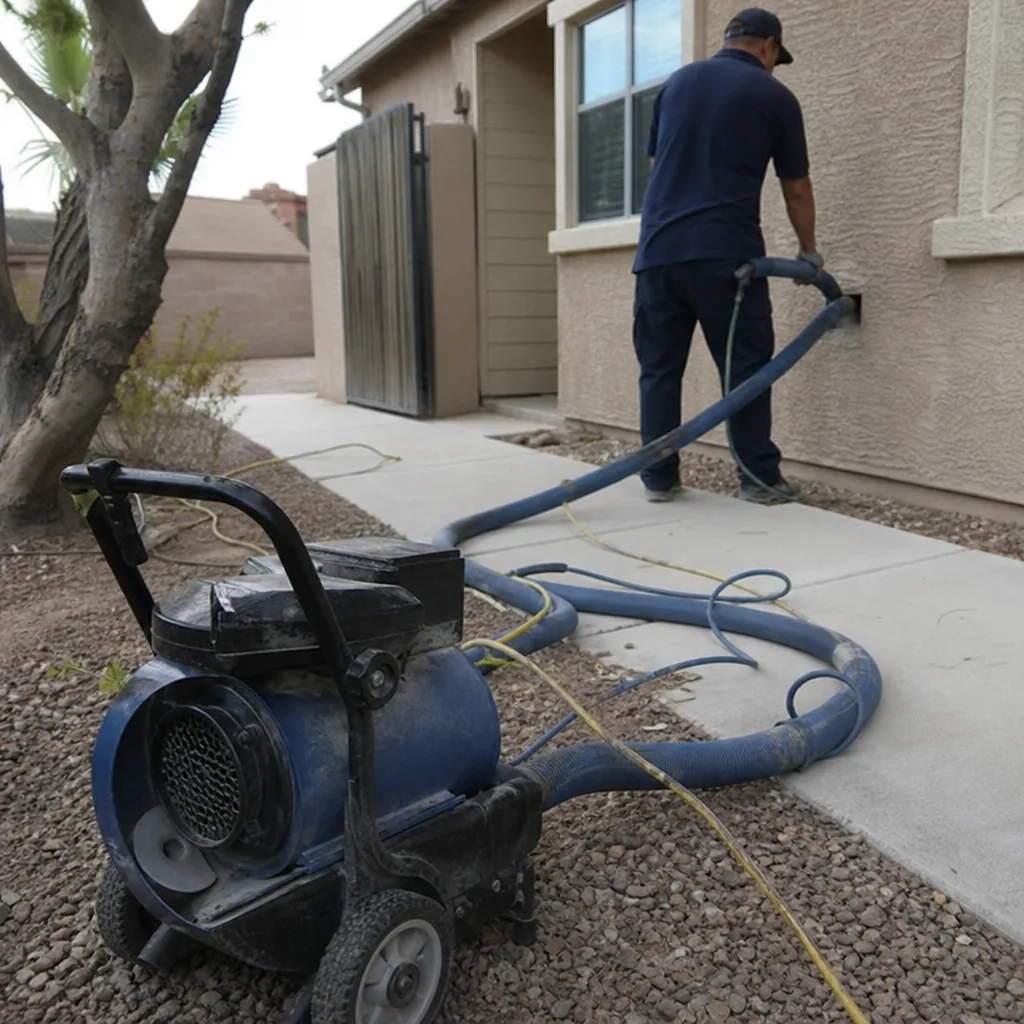 Before
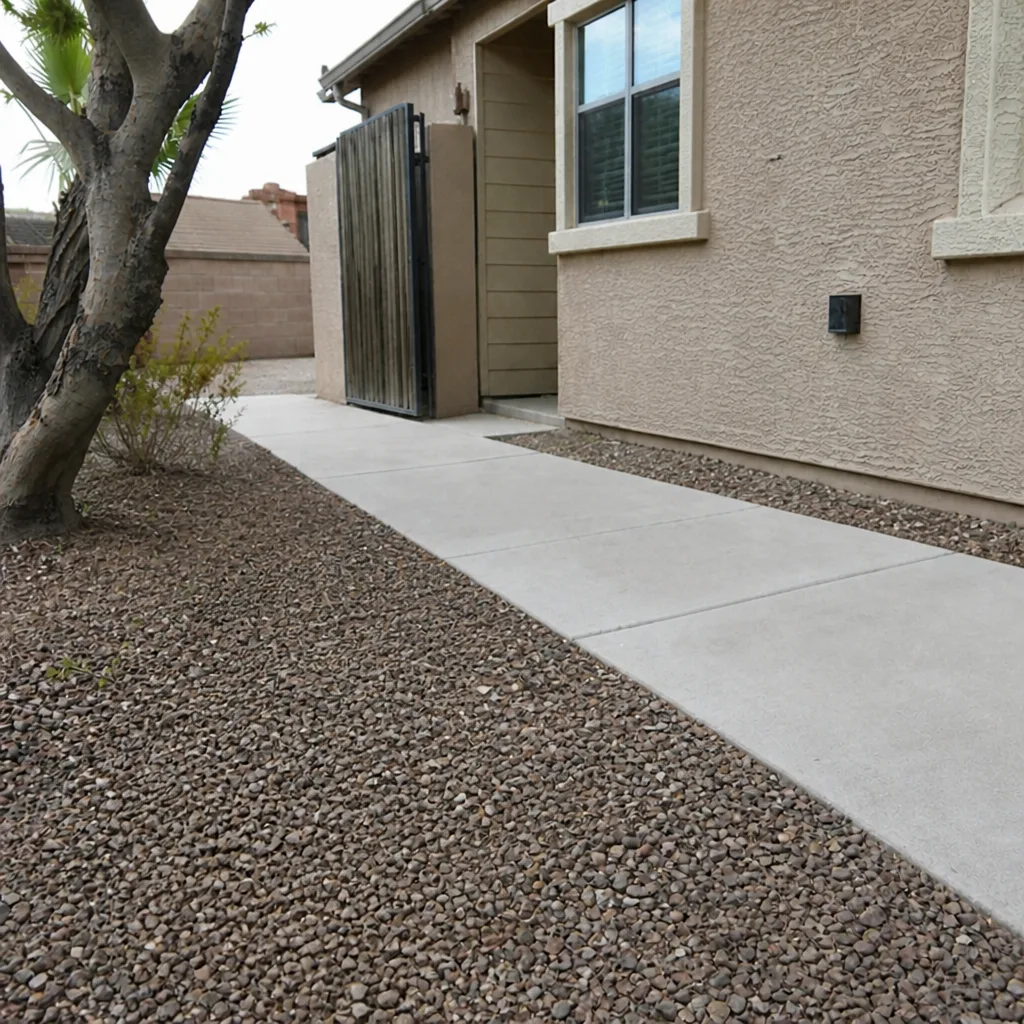 After
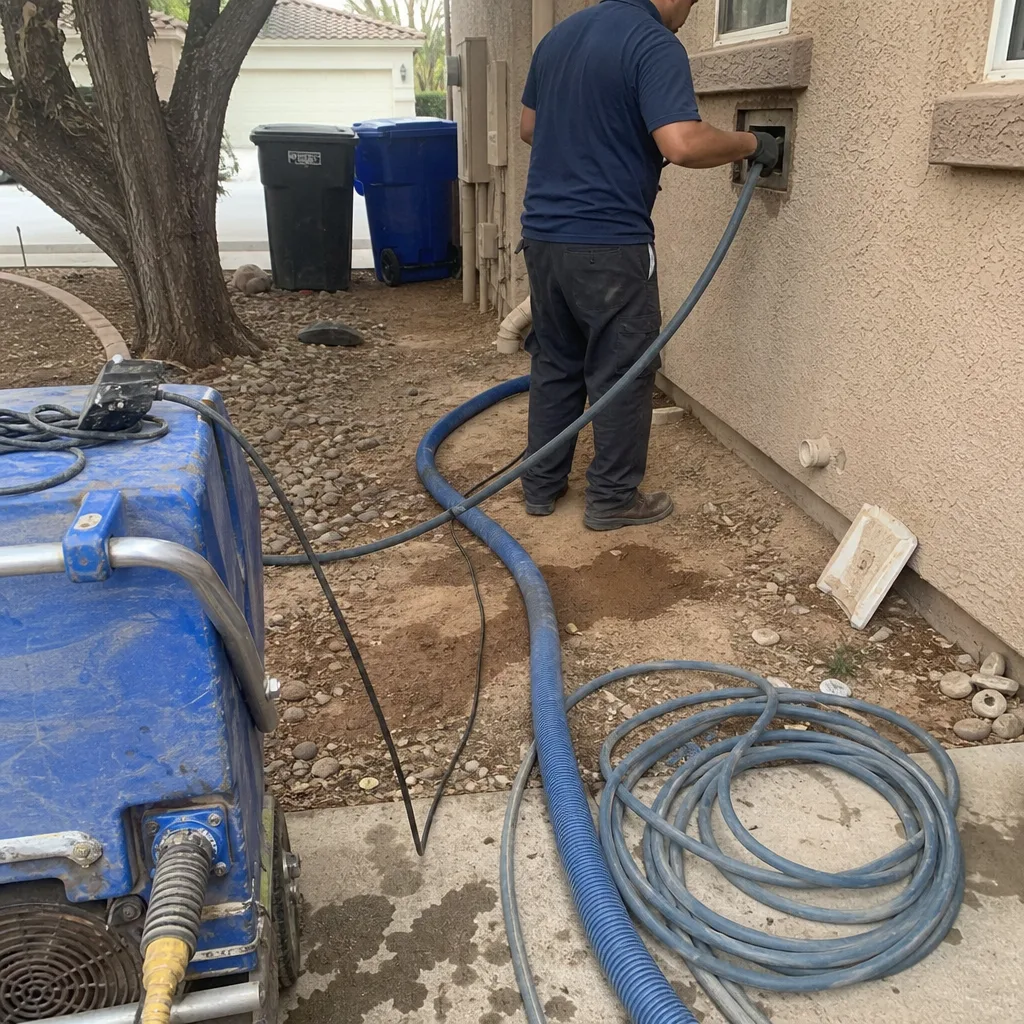 Before
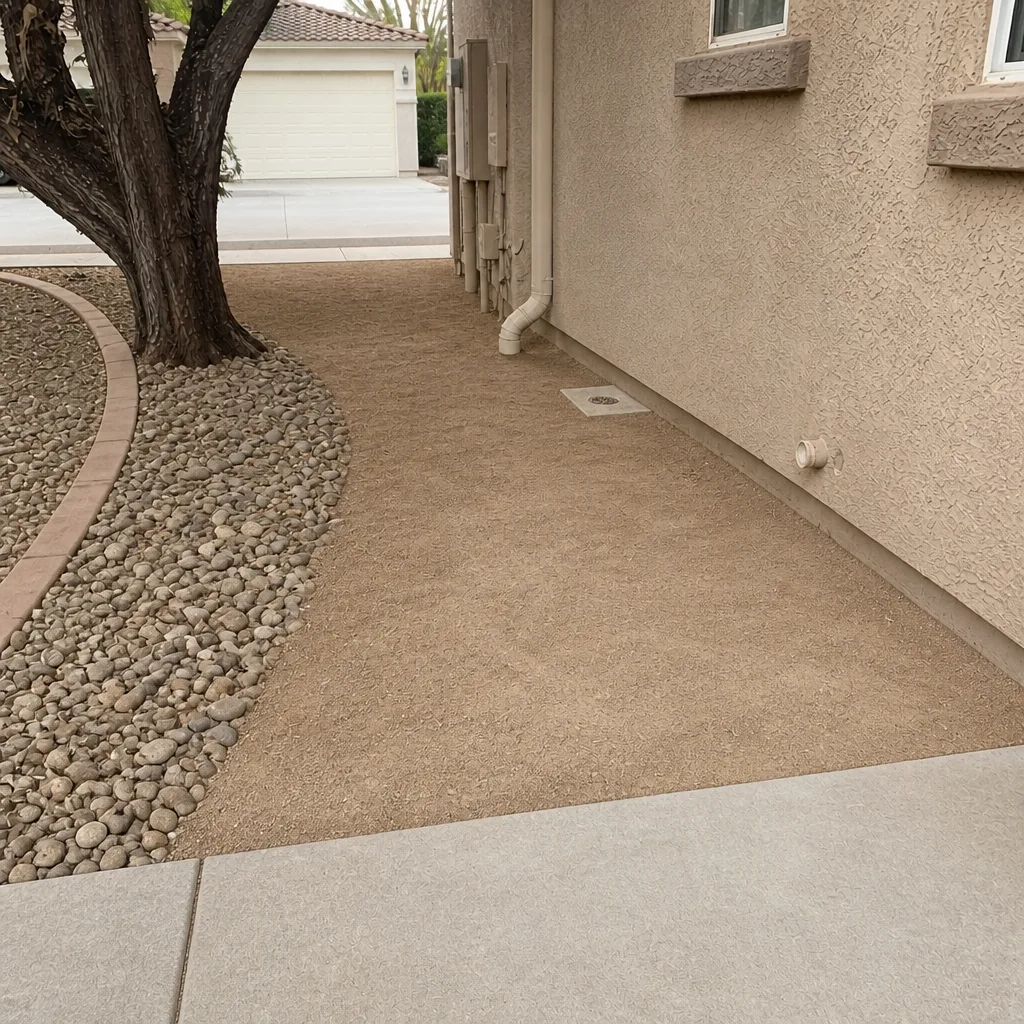 After
When to Call a Professional
Some signs are clear enough that a phone call makes more sense than a wait-and-see approach. A persistent musty odor that comes back after a filter change, visible moisture or staining on attic ductwork, a register that whistles or has noticeably weak airflow, or a sudden dust increase after construction or pest work all warrant a professional look. If you have a family member with allergies and you’ve never had the ducts inspected, an October assessment is a good starting point. And if you’re moving into a Peoria home with an unknown duct history, a cleaning and inspection before the next cooling season is practical. Duct Cleaning Peoria offers free estimates in Peoria, so call (844) 834-5310. We answer 24/7. Fast dispatch from 7am to 7pm, Sunday through Friday.
Frequently Asked Questions
October is the best month for a professional duct inspection in Peoria, because it comes right after the monsoon window and full-time cooling both end. That gives the technician the clearest picture of what the summer did to your system while leaving time to make any repairs before the next cooling season. If you’ve had a renovation, pest issue, or a specific indoor air quality concern, don’t wait for October; address it when it happens.
Most Peoria homes benefit from a professional cleaning every two to three years, with a lighter annual visual check in between. Homes with pets, recent renovations, allergy-sensitive occupants, or older duct systems often need it more frequently. The right answer depends on what the system has been through, which is why an inspection in October is useful even if a full cleaning isn’t due.
Yes, because attic ductwork is exposed to the sharp humidity swings the monsoon brings after weeks of dry heat. The most useful things to watch for are musty smells when the system kicks on, visible condensation or staining, and any water intrusion near the duct runs. If you see any of these, get a professional assessment rather than waiting out the season.
Low quotes usually come from providers using consumer-grade vacuums, per-vent pricing that adds up fast, or a scope that doesn’t include a real inspection. A brand-name Rotobrush or Nikro system and a documented before-and-after process cost more to run. We price per system with one flat price agreed before work starts, and you see photos of your own ducts, so you’re not guessing about what was done.
A reputable provider documents the work with before-and-after photos of your own duct runs, not stock images. Look for that, and for a clearly defined process that includes setup, cleaning, and an inspection afterward. A provider that can’t tell you what equipment they use or show you the result is a reason for caution.
After. Have the ducts cleaned first, then install a fresh filter right away, and record the install date. That sequence gives you a clean system feeding a clean filter, which keeps the system cleaner for longer. If you’re not sure which filter your system can handle without restricting airflow, ask during the visit.
The Bottom Line
Peoria’s climate doesn’t fit the four-season duct care advice most homeowners have heard. Think in terms of a pre-season check in February and March, a watchful monsoon window from July through September, a professional assessment in October, and a light winter check before the next cooling season. Sequence your filter replacement after the cleaning, not before, and don’t ignore moisture signals during the monsoon. If you want a specialist to walk your system rather than a generalist quoting a per-vent price, we use commercial-grade Rotobrush and Nikro equipment on every job and can handle repair and IAQ upgrades in the same visit. Call Duct Cleaning Peoria at (844) 834-5310. We answer 24/7. Fast dispatch from 7am to 7pm, Sunday through Friday. Estimates are free.
Written by the team at Duct Cleaning Peoria.