
Last updated November 15, 2026
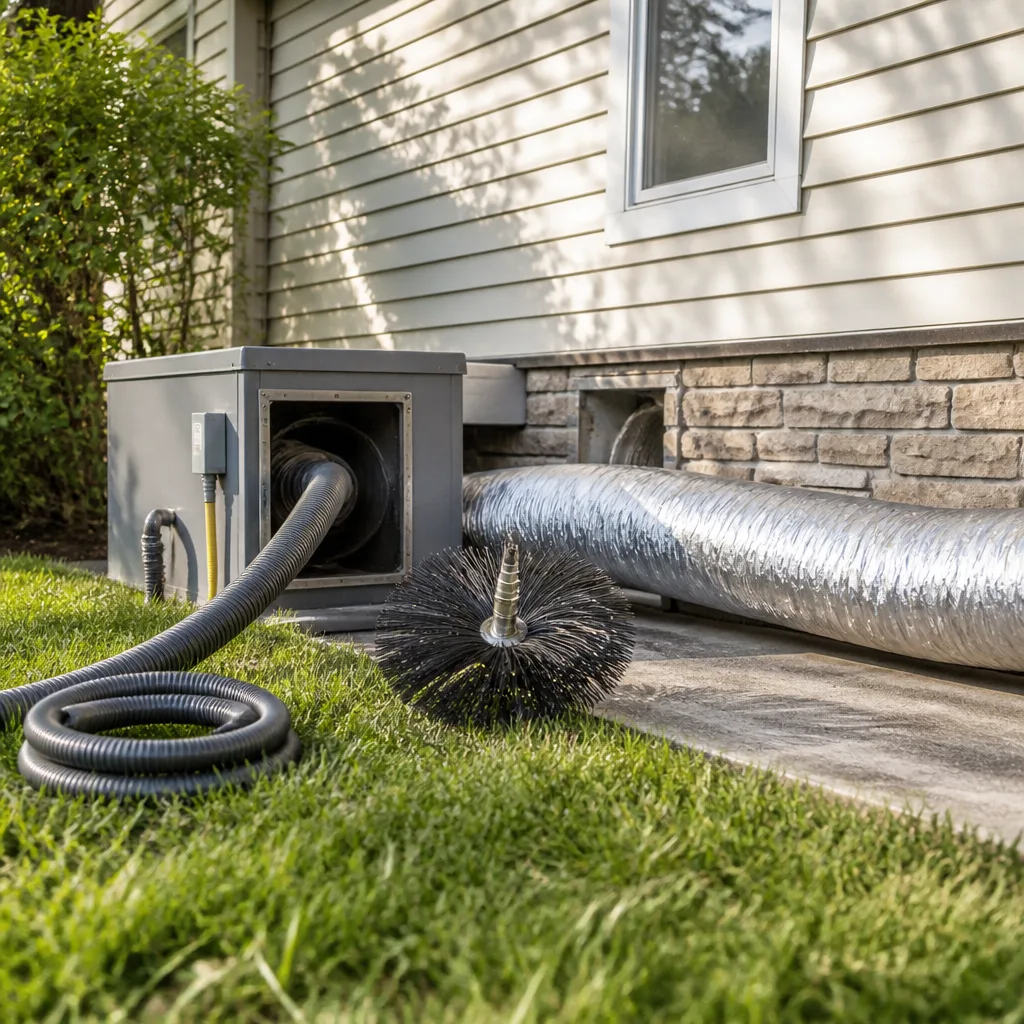 Whole-home duct cleaning
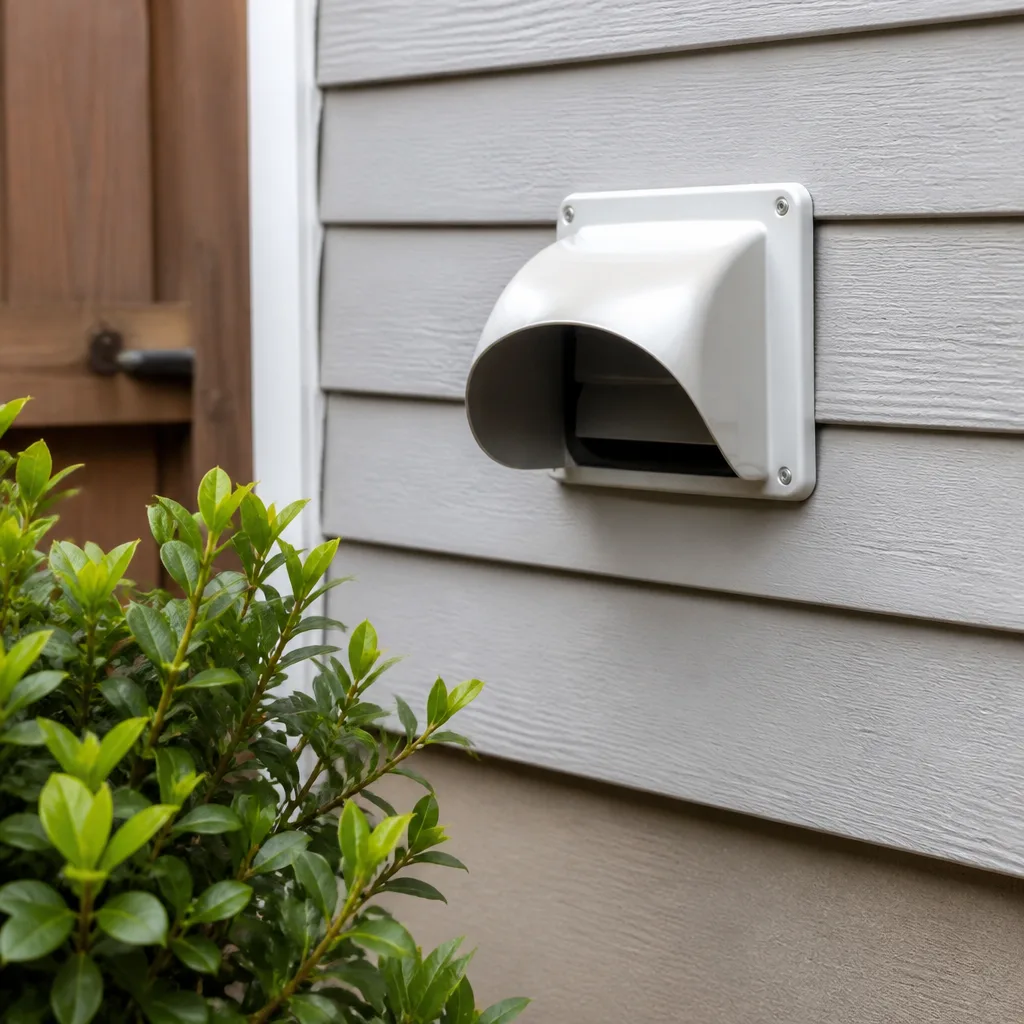 Dryer vent cleaning
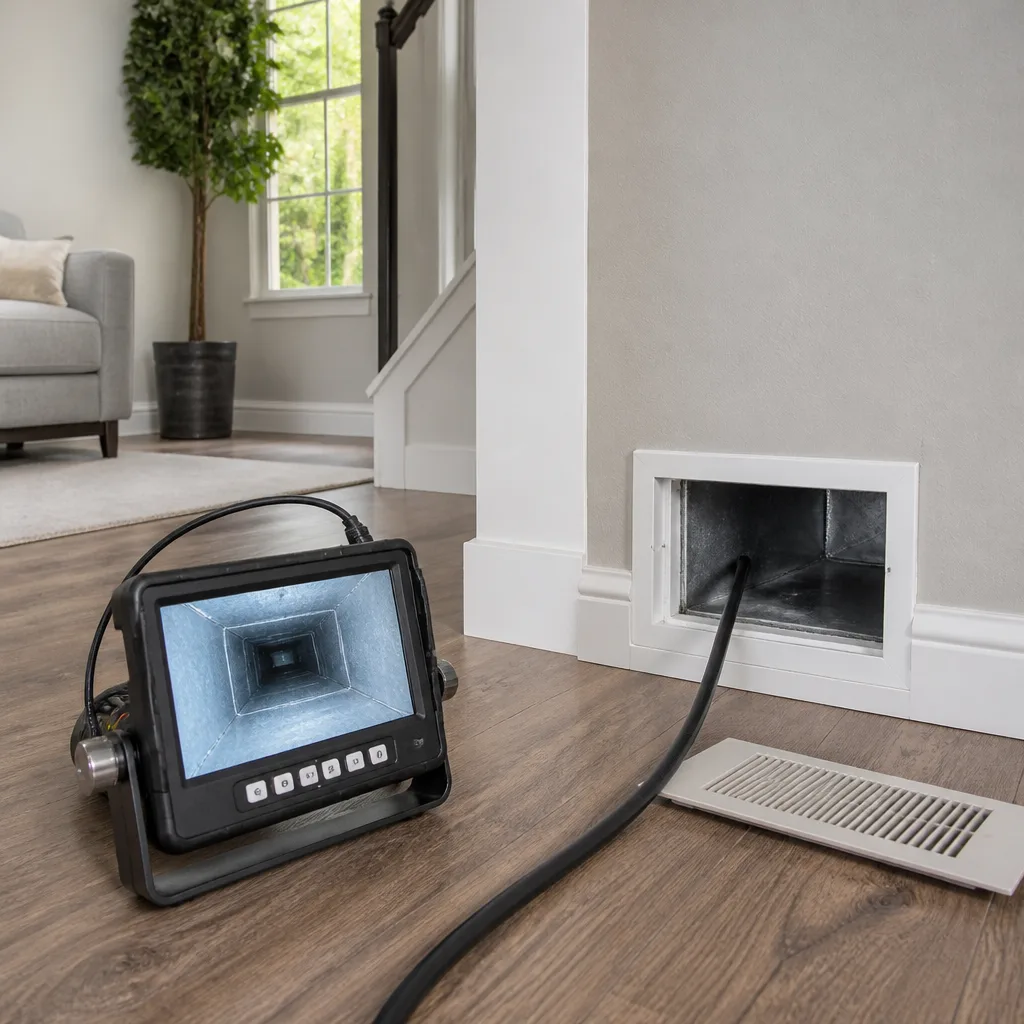 Camera inspection
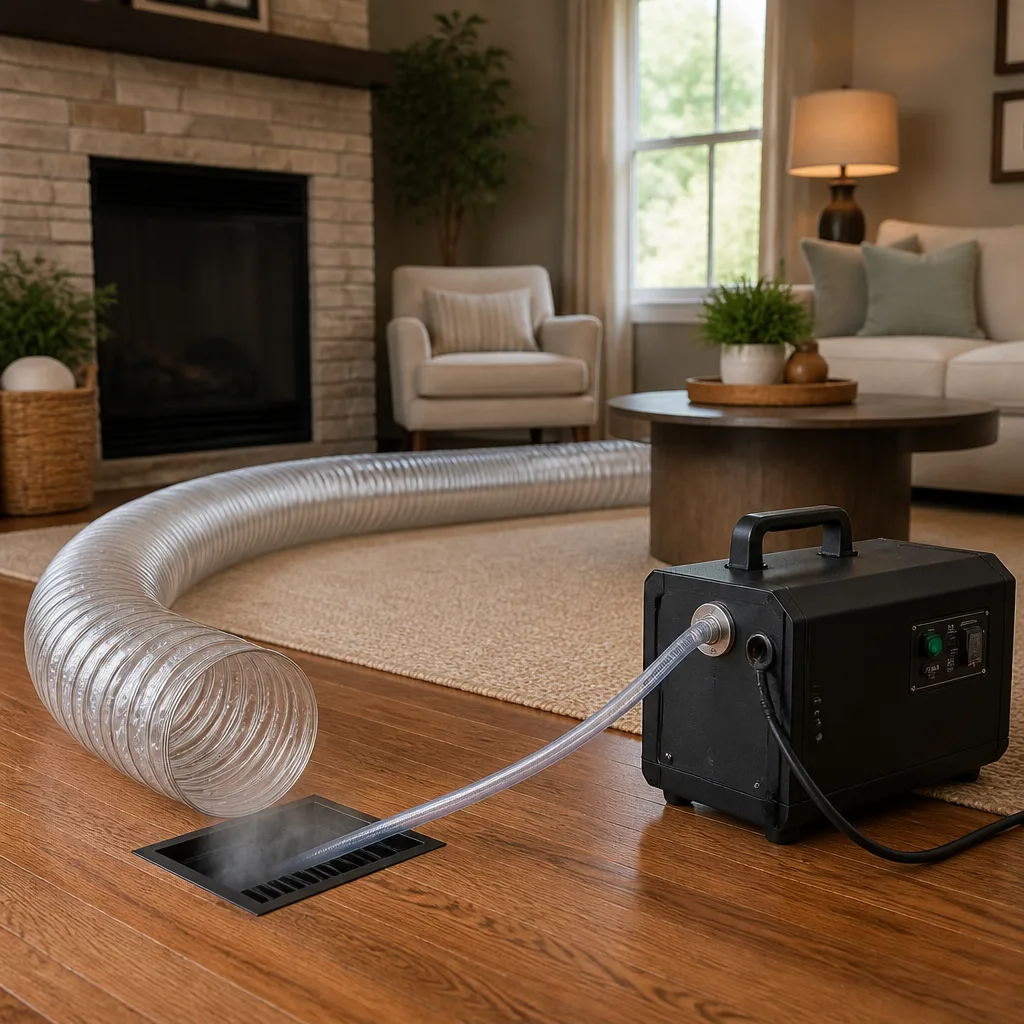 Sanitizing & deodorizing
Whole-system duct and dryer vent check with before-and-after photos - you see exactly what came out of your vents
That "$99 whole-house special" is a bait ad - the real number appears once they are in your hallway, or the "clean" is a shop-vac at the register. We photograph the inside of your ducts before and after instead.
Air Duct Cleaning Emergency Preparedness Guide for Peoria Homes
Most people think about their ductwork only when something breaks. That’s backward, especially in Peoria. The systems that matter most here are the ones that keep working silently while the desert throws fine dust, monsoon moisture and wildfire smoke at them. By the time a homeowner notices the smell or the dust, the contamination is already settled into the return side and moving through every room. This guide walks through what those events actually do to a duct system, how to spot a vulnerable one before the next storm season, and what to do in the hours after the sky turns orange. We’ll cover the post-haboob protocol, a pressure test you can run yourself, why smoke and dust don’t behave the same way inside a duct, what monsoon water intrusion means for attic runs, and a short decision checklist so you know when to call and when to schedule.
Quick Answer
After a dust storm, wildfire smoke event or monsoon flood, the first 24 hours determine how much contamination your Peoria duct system takes in. Close the returns you can control, run the system only if the filter is clean, and get a duct specialist out to inspect for return-side leaks and moisture before running air through the house again. Air duct cleaning after a dust storm in Peoria AZ is usually a scheduled whole-system job, not a same-hour emergency, but water intrusion into an air handler is a call-it-now situation.
Styles & brands we work with
- Whole-home duct cleaning
- Dryer vent cleaning
- Camera inspection
- Sanitizing & deodorizing
Table of Contents
- What to Do in the First 24 Hours After a Haboob
- How to Tell If Your Duct System Has Return Air Leaks
- Wildfire Smoke and Duct Systems: Why It’s Different From Dust
- Monsoon Water Intrusion: Air Handlers and Attic Ductwork
- Filters, MERV Ratings and What Actually Catches Smoke
- Building an Emergency Kit and Decision Checklist
- When to Call Immediately vs. When to Monitor
What to Do in the First 24 Hours After a Haboob
Dust storms in the West Valley don’t behave like a windy afternoon. A haboob pushes a wall of fine particulate ahead of it, and that particulate is small enough to slip past standard filters and into return-air gaps that a system never designed for that load can’t handle. The first day matters because the dust is still airborne and unsettled. Once it settles into duct interiors, it takes a full mechanical cleaning to get it out, not a filter change.
Here’s the protocol we walk Peoria homeowners through when the sky clears:
- Wait for the wind to actually stop. Don’t run the system while dust is still blowing. Every minute the fan runs during an active storm pulls more particulate through the return side.
- Shut the system off, not just the thermostat. Flip the breaker at the air handler or the furnace switch if you can reach it safely. A thermostat set to “off” still lets some systems run a fan cycle.
- Seal the doors and windows. Close and weather-strip anything that was open. Don’t run a whole-house fan or vented dryer until the air outside settles.
- Check the filter. If it’s coated, replace it before you run the system again. A loaded filter stops filtering and starts bypassing.
- Look for visible dust at the returns. If you see a dust line right at a return grille or a clean streak where air has been pulled in, that return is leaking.
- Note any smell. A dusty, musty or smoky smell that lingers after the air clears is a sign the system took in more than the filter caught.
- Schedule an inspection if you have a vulnerable system. Any home with a leaky return side, a system over a decade old, or recent renovation work should get a look before the next event.
This is the part most homeowners skip. The dust that settles in a duct didn’t get there because the system was dirty. It got there because the return side was open to outside air. If you want a baseline before storm season, a scheduled air duct cleaning resets the system and lets us check the return side while we’re already there.
How to Tell If Your Duct System Has Return Air Leaks
Return air leaks are the single biggest reason a Peoria duct system ingests outdoor event contamination. Supply ducts push air out. Return ducts pull air in. If a return run has a gap at a joint, a loose boot at the ceiling, or a disconnect in the attic, the system pulls from wherever is easiest, and that’s often the attic, the garage, or the wall cavity rather than the living room. On a normal day, that means a little dust. On a haboob day, it means a direct line from the storm into your ductwork.
You can check for leaks yourself with a simple test. It won’t replace a professional inspection, but it will tell you whether to worry.
- Turn the system off and let it sit for 15 minutes. Pressure equalizes.
- Find a return grille. Usually the big one in the hallway or near the thermostat.
- Tape a single square of toilet paper or a tissue to a pencil or long skewer. The paper should hang freely.
- Turn the fan back on (not the cooling, just the fan). Hold the paper near the edges of the return grille, then near the seams of any accessible duct in the garage or attic.
- Watch which way the paper moves. It should pull steadily toward the grille. If it flutters, drops, or pulls the wrong way at a seam, that’s a leak. If it barely moves at all, the return is undersized or leaking badly.
- Check the attic. If you can safely access attic duct runs, look for dust trails on the insulation at joints. Dust collects where air leaks.
Any leak you can detect with a tissue is a leak the system is pulling outside air through. Duct repair as a standalone service is what closes those gaps. We use Rotobrush and Nikro equipment for the cleaning side and can repair damaged ductwork during the same visit rather than passing you to a second contractor for the sealing. If you’ve never had the ducts looked at, the duct cleaning Peoria service is the honest starting point.
Wildfire Smoke and Duct Systems: Why It’s Different From Dust
Dust and smoke both come from outside. They are not the same problem. Dust is mostly mineral and soil particulate, heavier, and it settles. Smoke is a mix of gases and very fine particulate, often below the size a standard filter catches, and it stays suspended longer. When smoke enters a duct system, it doesn’t just sit on the duct walls. It travels through the system as odor and gas, coats the air handler coil, and settles into any porous surface, including the insulation lining older flexible ductwork.
This is why a Peoria home in a smoke event that only runs the system with a basic fiberglass filter still smells smoky a week later. The filter caught the larger ash. Everything else went through. The smell is a sign the system is holding contamination that a filter can’t reach.
What actually catches smoke is a combination of a higher-rated filter and a clean system. A MERV 13 filter is generally the practical ceiling for most residential systems without restricting airflow, and it catches the fine particulate fraction that a MERV 8 misses. A MERV 8 catches dust and larger particles and will not stop the smoke smell. Going above MERV 13 usually strains the blower on a standard residential air handler, so it’s not a “more is better” situation.
We stock and service Honeywell and Aprilaire indoor air quality products because filters alone don’t address odor. A whole-home media filter combined with a clean duct system handles smoke events far better than a premium filter on a dirty system. If you’re in a smoke-prone part of Peoria, it’s worth asking about during a cleaning visit. Cleaning first, filtration second. The order matters.
Monsoon Water Intrusion: Air Handlers and Attic Ductwork
Monsoon season in Peoria brings rain fast and heavy, and it finds its way into places that stayed dry all year. Two water intrusion scenarios come up more than any other.
Air handler water intrusion
An air handler that takes on water, whether from a failed condensate line, a roof leak above the unit, or flooding in a garage or closet, creates a real indoor air quality problem. Standing water combined with a running system means the blower pushes moisture through the ducts. That’s a call-now situation. Turn the system off at the breaker and do not run the fan.
Attic ductwork moisture
Attic runs are common in Peoria homes, and monsoon rain can enter through a roof penetration or a gap around the plenum. Flexible duct with a vapor barrier will hold moisture against the insulation if it gets wet. That’s how mold starts in ductwork. It doesn’t always smell at first, but the humid air moving through the house in the days after gets noticed.
If you suspect water got into the system, don’t run it until a specialist inspects it. Abatement Technologies equipment is what we use for contamination-level jobs, and wet or mold-affected ductwork is exactly the situation that calls for it rather than a standard vacuum. Cleaning of a wet system that hasn’t been properly assessed is a mistake that spreads spores through the house. If you’re not sure whether the water got into the ducts or only into the closet, call before you run anything.
Filters, MERV Ratings and What Actually Catches Smoke
A filter change is the cheapest thing you can do for your duct system, and it’s the most misunderstood. The MERV rating tells you what particle size the filter captures. It doesn’t tell you what your system can handle. Here’s how the ratings line up for the two scenarios that hit Peoria homes.
- MERV 7-8: Catches dust, pollen, larger ash. Suitable for everyday desert dust. Does not remove smoke odor.
- MERV 11: Catches finer particulate and a meaningful share of smoke-size particles. A reasonable step up for smoke season without stressing the blower.
- MERV 13: Catches the fine particulate fraction of smoke. Generally the practical ceiling for a residential air handler. Watch for increased static pressure or a blower that sounds labored.
- Above MERV 13: Often restricts airflow in a standard residential system. Not a blanket upgrade.
A dirty filter is worse than a low-rated clean filter. Loaded media bypasses around the frame, so the air you thought was filtered wasn’t. After any dust event, check the filter. If you haven’t changed it in months, check it now. If you’re serious about smoke events and want to move past a 1-inch filter slot, a media cabinet from Honeywell or Aprilaire gives you more filter surface without the airflow penalty. That’s a longer conversation, and it starts with the ducts themselves being clean.
Building an Emergency Kit and Decision Checklist
A little preparation means you’re not making decisions at 11pm with the power flickering. Here’s what we suggest Peoria homeowners keep on hand heading into storm season.
- One spare filter at the correct size. Write the size on the inside of the filter door so you don’t have to measure it in a hurry.
- A roll of foil tape. Not duct tape. Foil tape seals metal duct at a joint well enough to get you through until a repair is made.
- A headlamp. You’ll need it in the attic or at the air handler if the power is out.
- A note on your phone with the air handler location, the breaker number, and the number for your duct specialist.
- A drop cloth and a spray bottle of plain water. For wiping dust off return grilles without pushing it back into the duct.
Then a short decision checklist for after any event:
- Did water visibly enter the air handler or attic ductwork? If yes, stop. Call. Do not run the system.
- Is there a musty or smoky smell that won’t clear? If yes, schedule an inspection. Don’t mask it with air fresheners.
- Did you see dust trails at duct joints or return grilles? If yes, plan a cleaning and a duct inspection.
- Was the filter loaded and the system running during the event? If yes, plan a cleaning before the next cooling season.
- None of the above? Monitor. Change the filter. Recheck in a couple of weeks.
When to Call Immediately vs. When to Monitor
The line between “call today” and “schedule for next week” is easier to hold if you know what’s actually urgent. Water in the air handler, visible standing moisture in attic ductwork, or a strong musty smell that started after a monsoon event is a call-now scenario. So is any duct that’s been visibly damaged, disconnected or crushed in an event. Airflow that’s dropped noticeably across the house after a storm is worth a call too, because a duct that came apart in the attic is often not visible from the living room.
Dust from a haboob, smoke odor that fades, or a dirty filter is a scheduled-cleaning situation. So is a system that’s simply overdue. The full breakdown lives on our Peoria service page if you want to see what we cover. For a home emergency, We answer 24/7. Fast dispatch, 7am-7pm, Sunday through Friday. We’re closed Saturday.
If you’re not sure which category you’re in, call and describe it. That’s the fastest way to sort it out.
Common Mistakes to Avoid
- Running the system during an active dust storm. Every minute the fan runs pulls more particulate into the return side. Shut it off and change the filter once the wind stops.
- Assuming a new filter fixes a smoked-out system. A filter that captured the ash leaves the fine particulate and odor in the duct lining. The smell won’t leave on its own.
- Using duct tape on a leak you found with the tissue test. Standard duct tape dries out and fails in attic heat. Use foil tape, and get the joint properly repaired.
- Cleaning a wet system without checking for moisture first. Running a vacuum through a wet duct spreads contamination. A contaminated system needs to be assessed before it’s cleaned.
- Hiring a general handyman for ductwork. Duct sealing and cleaning require specialized equipment. Rotobrush and Nikro systems exist because a shop vac doesn’t do the job.
- Skipping the return side entirely. Most cleaning quotes focus on supply registers. The contamination you can’t see lives on the return side, so ask what the quote actually covers.
- Treating a smoke smell as a nuisance. If the smell won’t clear after a week, the system is holding contamination the filter didn’t catch. It’s worth an inspection.
See the difference
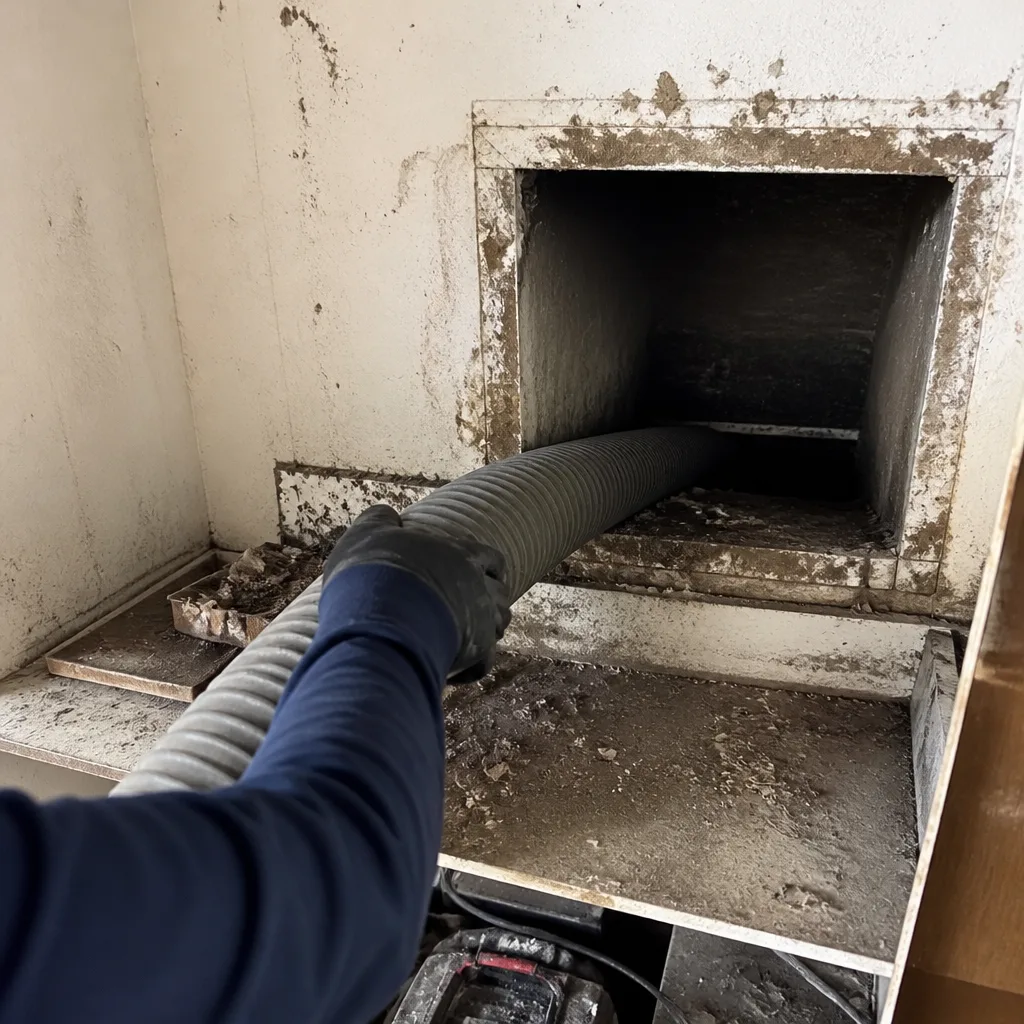 Before
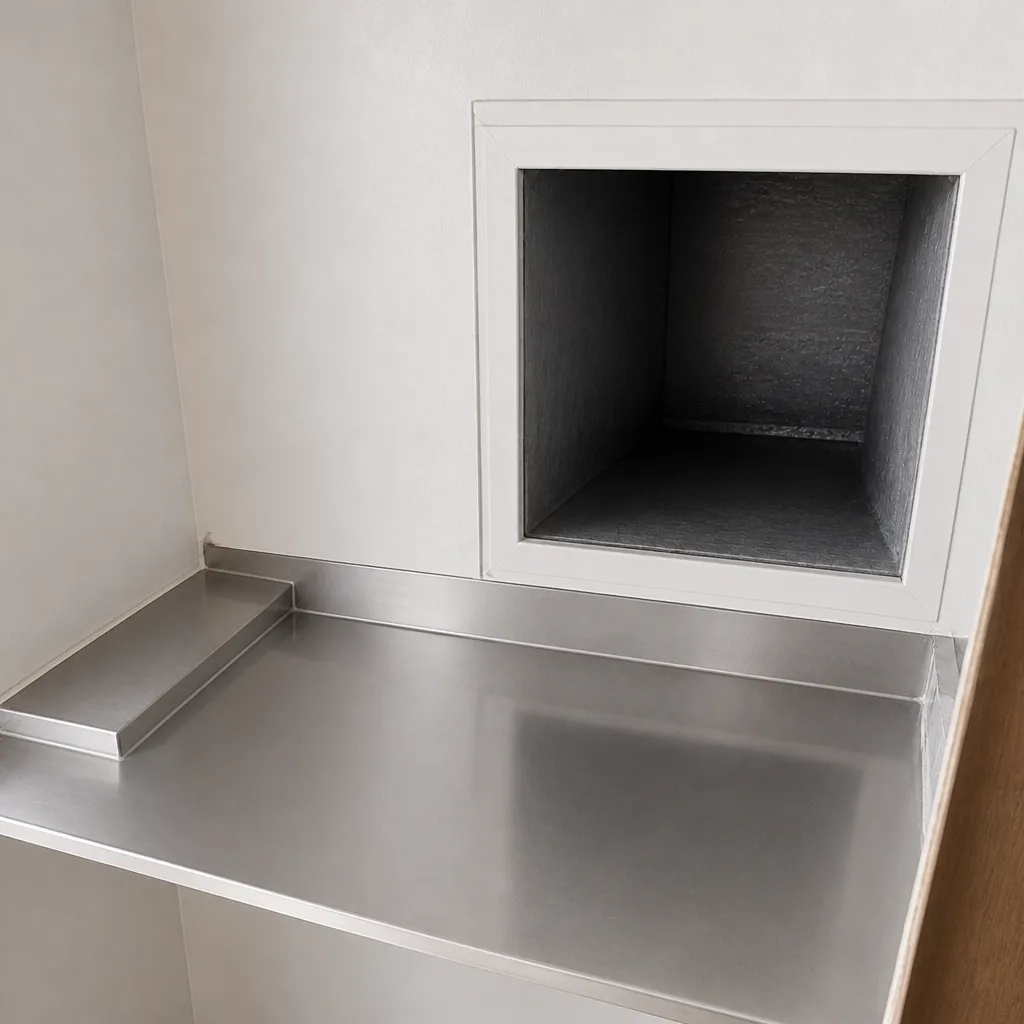 After
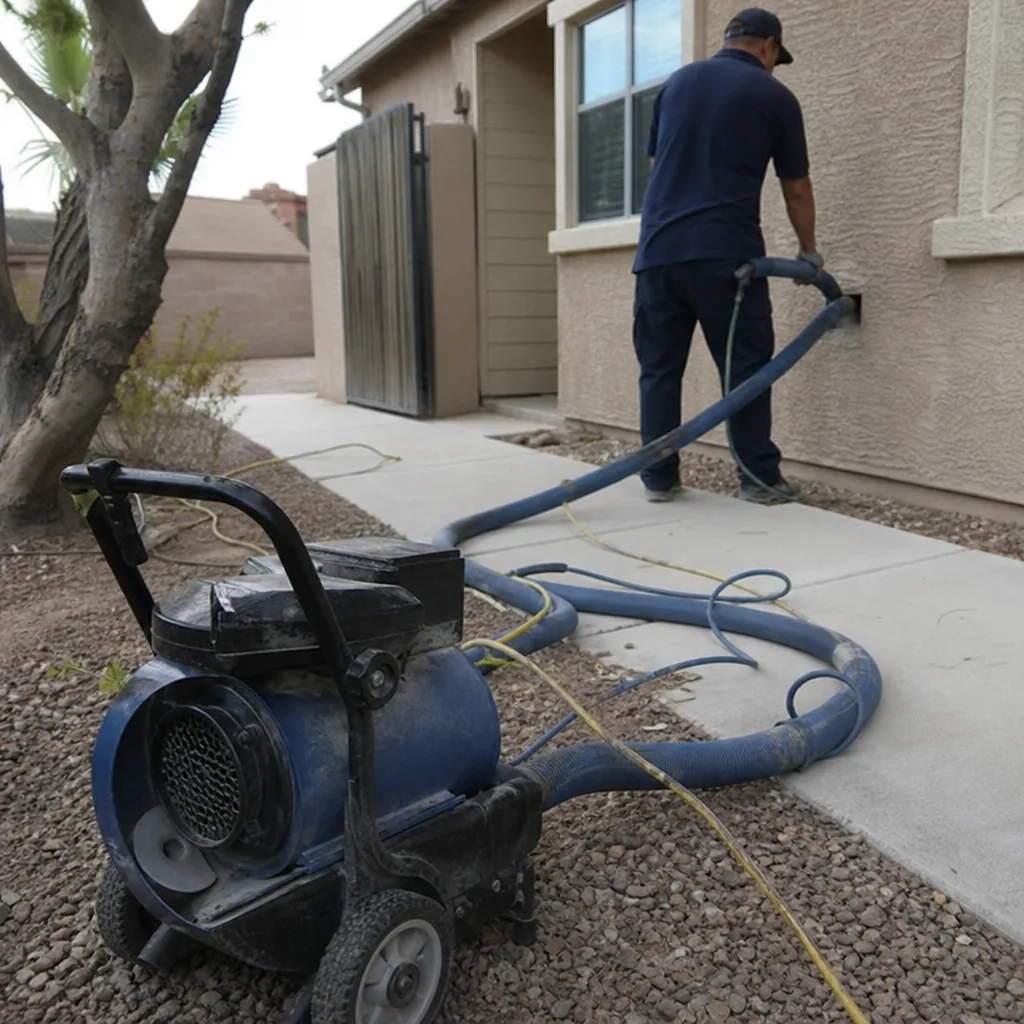 Before
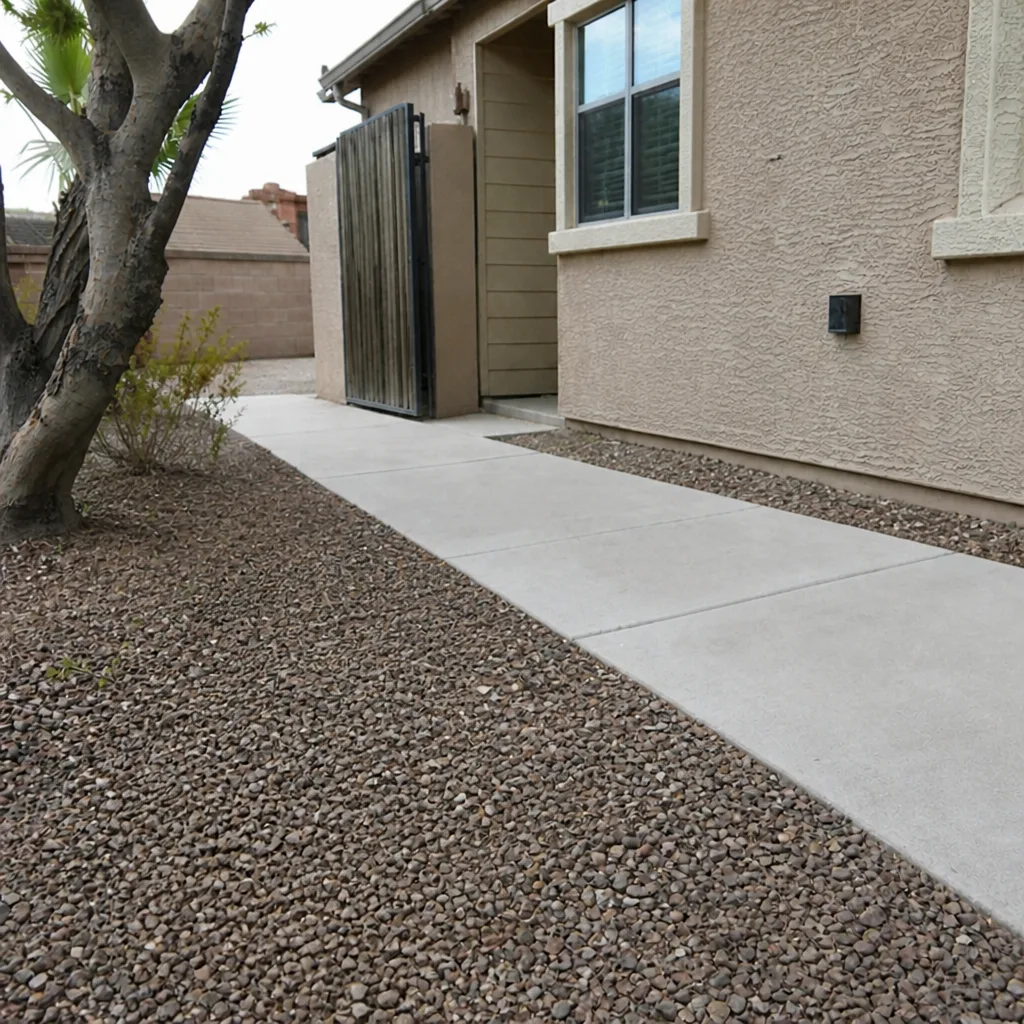 After
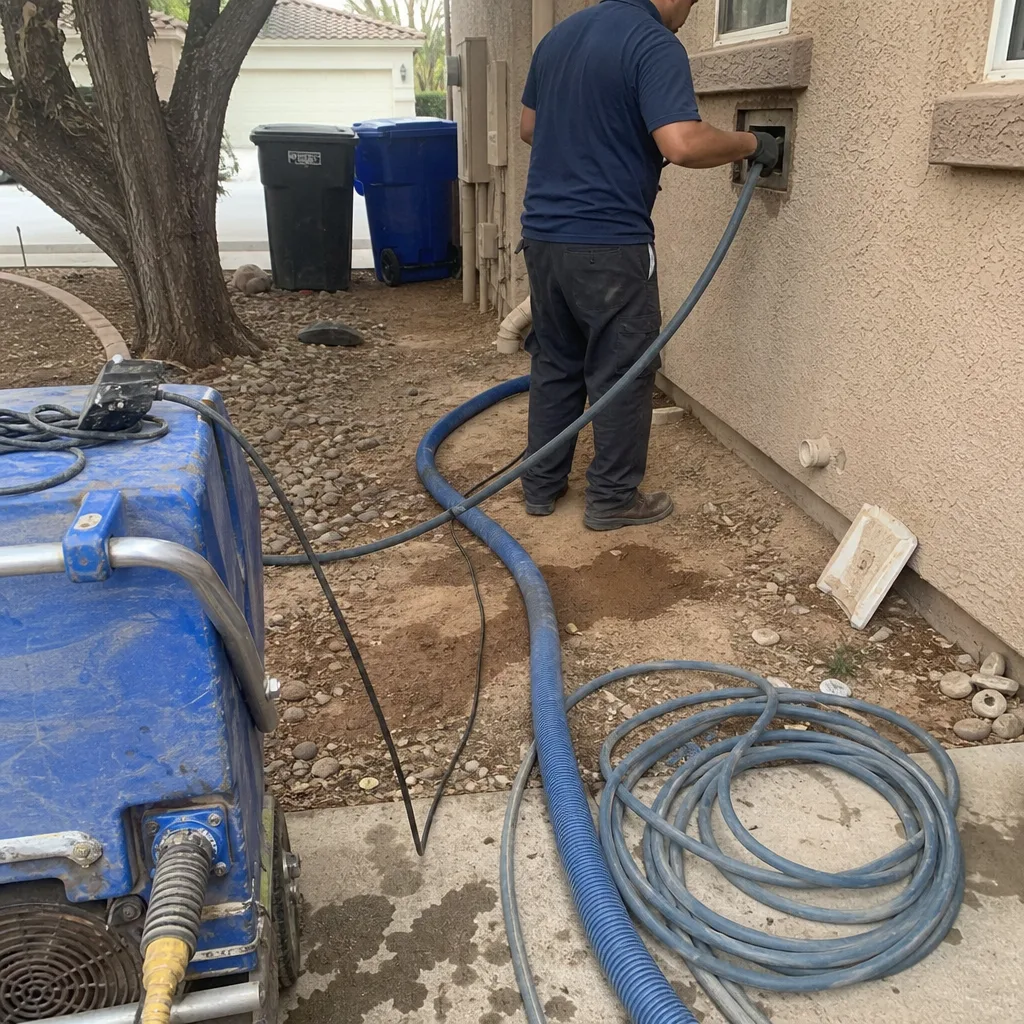 Before
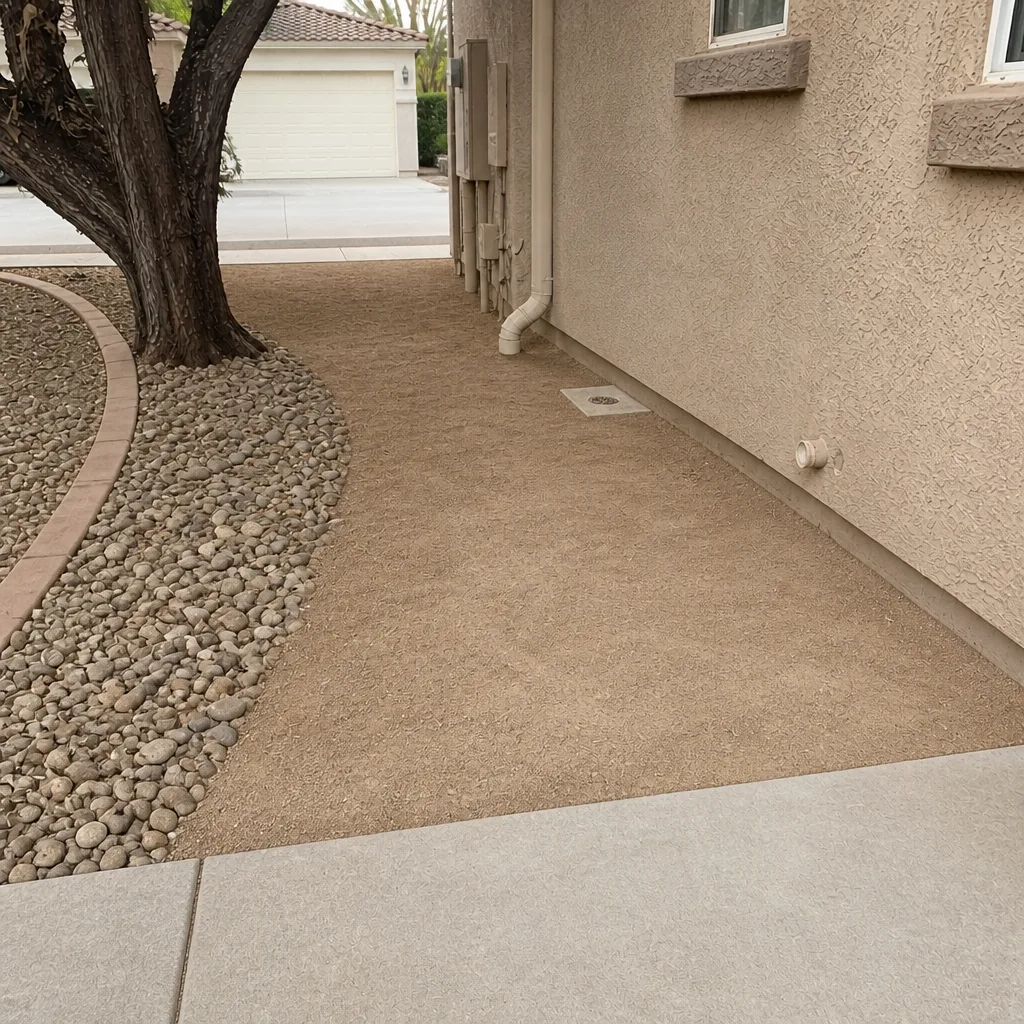 After
When to Call a Professional
Call a professional duct specialist if water entered the system during a monsoon, if a duct is visibly damaged or disconnected in the attic, if a musty or smoky smell has hung around for more than a few days, or if the airflow in your Peoria home dropped noticeably after a storm. Duct cleaning after a haboob is worth scheduling in any home with return-side leaks, older flexible ductwork, or a system that ran through a heavy dust event. What you shouldn’t do is run the system again and hope. A professional inspection with the right equipment settles the question in one visit. Duct Cleaning Peoria offers free estimates in Peoria. Call (844) 834-5310. We answer 24/7, with fast dispatch from 7am to 7pm, Sunday through Friday.
Frequently Asked Questions
Schedule within a few days to two weeks after the event, and don’t run the system in the meantime if the filter is loaded or you’ve found return leaks. The dust doesn’t get worse in the duct once it settles, but running the system moves it back into the air. There’s no emergency ticket needed for a haboob. A scheduled cleaning does the job.
Yes, if the source is the duct system and the air handler coil. A thorough mechanical cleaning with commercial-grade equipment removes the settled particulate and the odor source in the ducts. A filter alone won’t do it. If the smell lingers after a cleaning, the next step is a Honeywell or Aprilaire media filter to lower the baseline for future smoke events.
Because the water got somewhere you can’t see, most often attic duct insulation or the air handler closet. Duct insulation holds moisture against the duct and starts to smell before visible mold appears. Don’t run the system. Get it inspected, because a moisture problem that gets cycled through the house is harder to clear once it spreads.
MERV 13 catches the fine particulate fraction of smoke best within a standard residential system, and MERV 11 is a reasonable step down. Anything above MERV 13 risks restricting airflow. The filter only works on a clean duct system, so cleaning comes first. Call (844) 834-5310 for an exact quote, and estimates are free.
A tissue test at the return grille and a look for dust trails at duct joints will tell you a lot. The definitive answer comes from an inspection of the return side and the air handler. If dust is concentrated at joints and the airflow has dropped, the system took on contamination. That’s a call-a-specialist answer, not a wait-and-see.
Water intrusion into the air handler or attic ducts is a call-now. A dusty house after a haboob is a scheduled cleaning. If you’re unsure, call and describe what you’re seeing. Duct Cleaning Peoria answers 24/7 with fast dispatch from 7am to 7pm, Sunday through Friday, and we’re closed Saturday. Call (844) 834-5310.
The Bottom Line
The biggest risk to a Peoria duct system isn’t normal wear. It’s the storm event nobody prepares for. Dust storms push fine particulate through any open return. Monsoon rain finds attic ductwork. Wildfire smoke gets past a filter that wasn’t rated for it. The fix is simple: know what to do in the first 24 hours, know how to spot a leaky return, and know the difference between a scheduled cleaning and a genuine emergency. A clean, sealed duct system handles the next storm better than a dirty one ever will. So does a homeowner with a plan.
Written by the team at Duct Cleaning Peoria.