
Last updated November 15, 2026
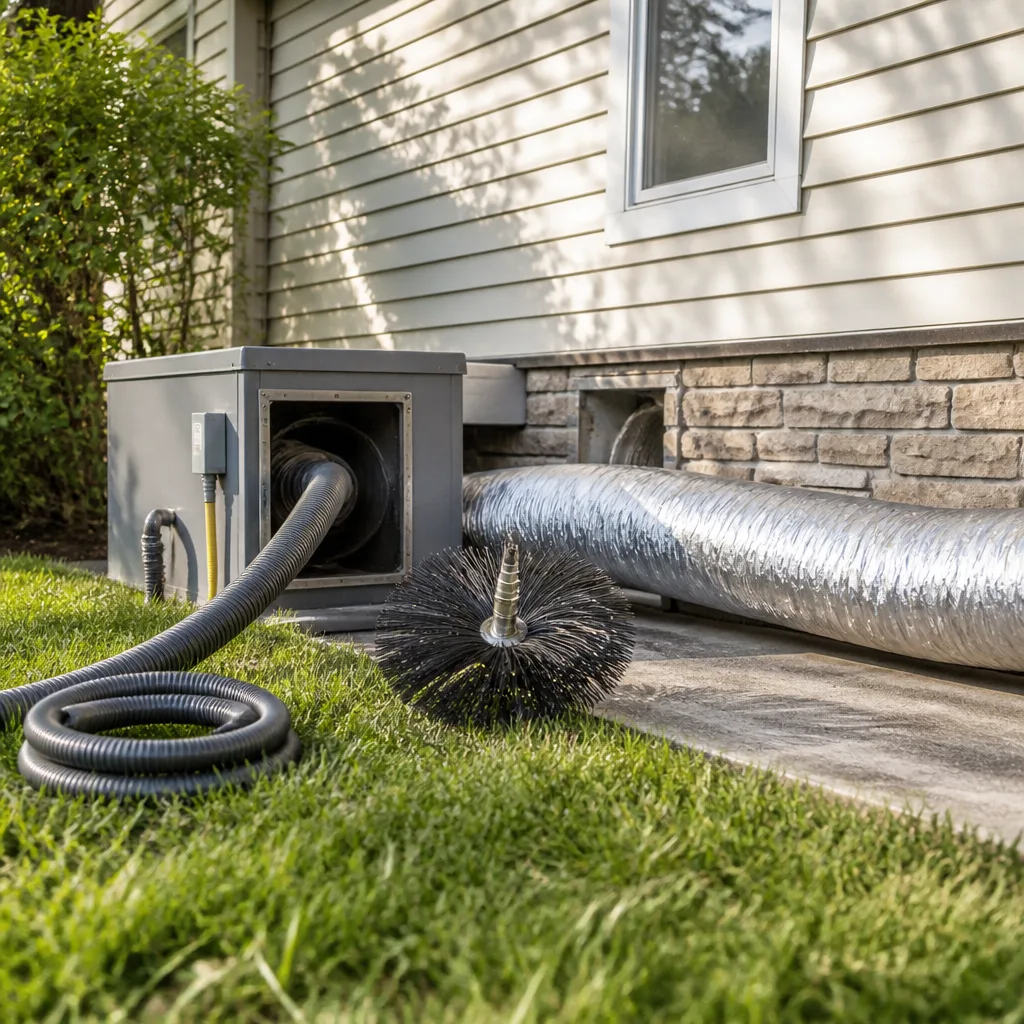 Whole-home duct cleaning
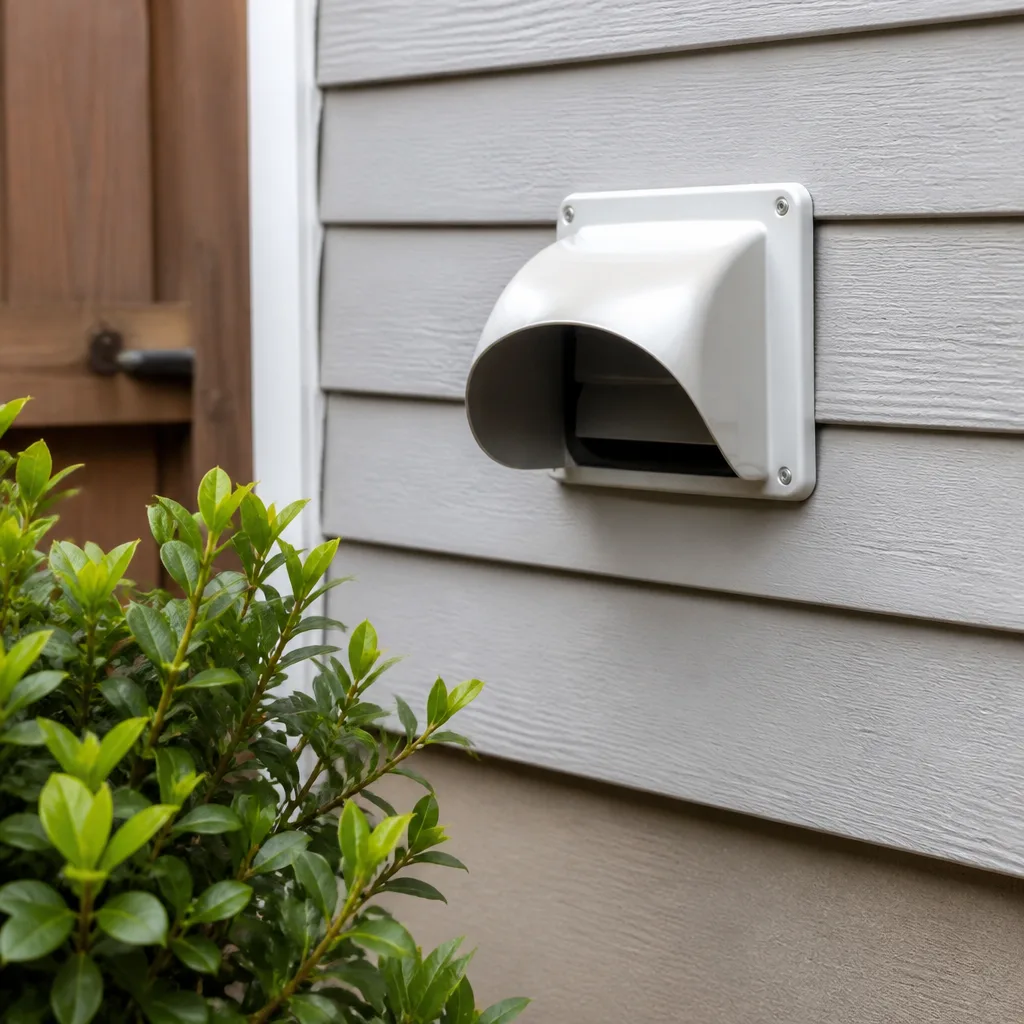 Dryer vent cleaning
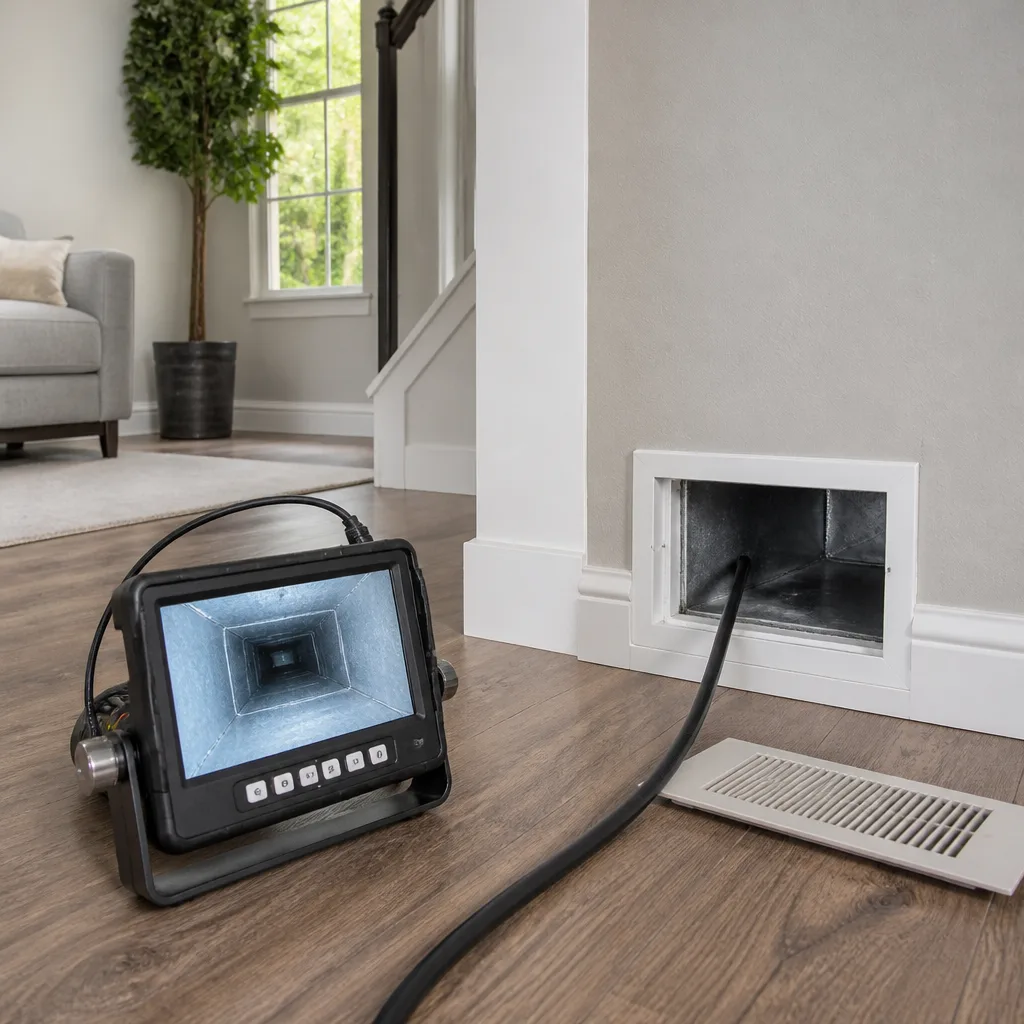 Camera inspection
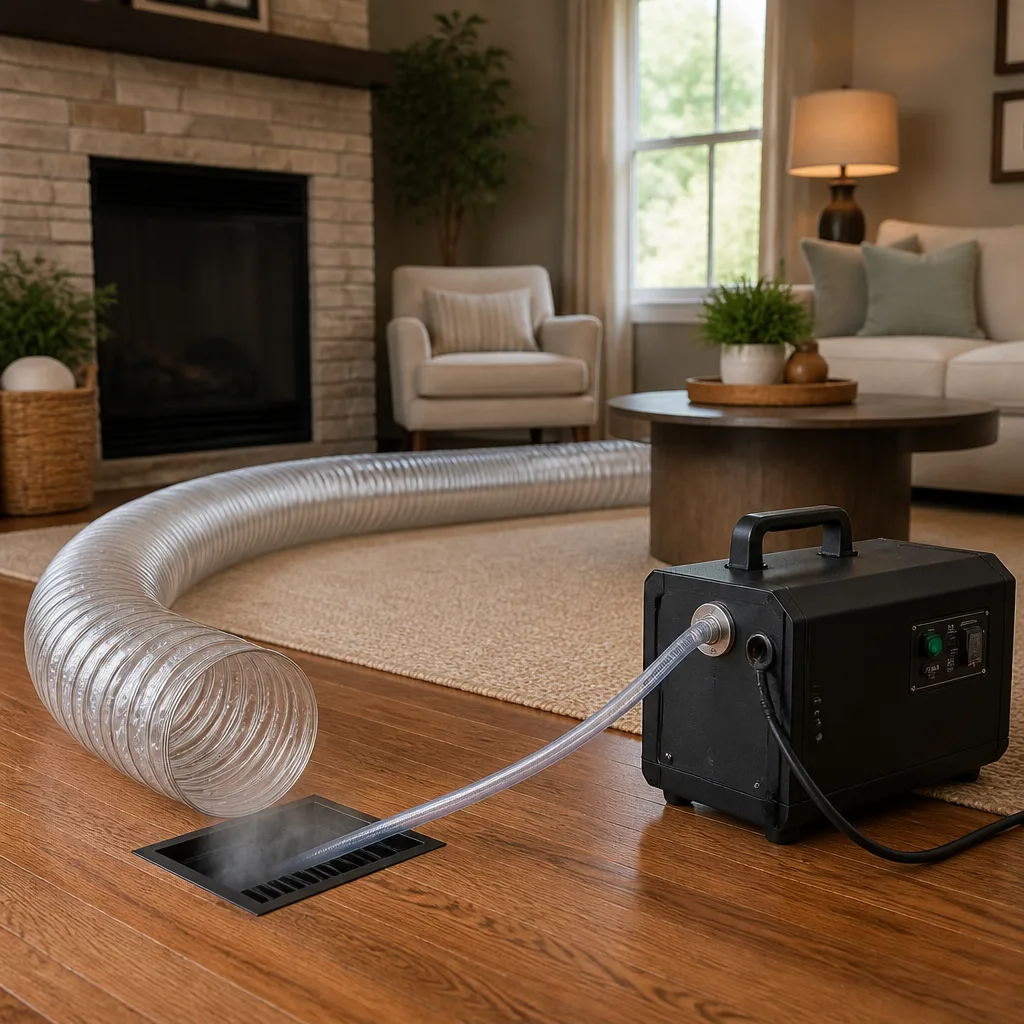 Sanitizing & deodorizing
Whole-system duct and dryer vent check with before-and-after photos - you see exactly what came out of your vents
That "$99 whole-house special" is a bait ad - the real number appears once they are in your hallway, or the "clean" is a shop-vac at the register. We photograph the inside of your ducts before and after instead.
Air Duct Cleaning Maintenance Schedule: What to Do and When
Most air duct cleaning schedules you’ll find online were written for houses in Minnesota. They assume a heating season that runs five months, a summer that needs a little cooling, and a long stretch of spring and fall when the system barely runs. Peoria doesn’t work that way. Here, the air conditioner is the hardest-working piece of equipment in the house, and it runs far more hours per year than a system in a moderate climate. That changes the math on how often ducts need attention. This guide lays out a maintenance calendar built around how Peoria homes actually operate: pre-summer startup, post-monsoon inspection, wildfire smoke response, and filter intervals that match desert dust instead of a generic label. You’ll learn what you can check yourself and what genuinely needs equipment.
Quick Answer
In Peoria, most homes should get a full duct cleaning every three to five years, with a lighter inspection at the midpoint and a filter change every one to three months depending on dust and pet load. Homes with allergies, recent renovation, pets, or heavy monsoon exposure should shorten that cycle. A full cleaning resets the clock; an inspection catches problems before they force an early one.
Styles & brands we work with
- Whole-home duct cleaning
- Dryer vent cleaning
- Camera inspection
- Sanitizing & deodorizing
Table of Contents
- Why Peoria’s Climate Changes the Standard Schedule
- The Peoria Month-by-Month Maintenance Calendar
- Filter Change Intervals for Desert Dust, Not Generic Labels
- What You Can Check Yourself Versus What Needs Equipment
- When Your Schedule Clock Should Reset Immediately
- Full Cleaning Versus Mid-Cycle Inspection
- Common Mistakes to Avoid
- When to Call a Professional
Why Peoria’s Climate Changes the Standard Schedule
The three-to-five-year rule most people quote assumes a system that cycles on and off through a moderate year. In Peoria, the AC runs through a long, hot season and keeps running into the shoulder months. More runtime means more air moving across the same duct surfaces, and more air means more dust, pollen, and fine particulate settling on those surfaces. The accumulation is proportional to hours of operation, and Peoria racks up far more of those hours than the national average those schedules were written around.
There’s a second factor that doesn’t get talked about enough: monsoon season. From roughly late June into September, the desert gets wind-driven dust events that push fine particulate into every gap and return. A house that was reasonably clean in May can have visibly dustier registers by August. Wildfire smoke advisories add another layer in dry years, pulling combustion particulate into the return side of the system where it collects on the blower and the duct walls.
Put those together and the practical takeaway is this: a schedule built for a four-season climate will leave a Peoria home running dirtier for longer than it should. You don’t need to clean every year in most cases, but you do need to inspect more often and respond to the seasonal events that actually load your system. Our technicians have up to experience working in this climate, and the pattern is consistent: homes on a Peoria-specific calendar stay cleaner between cleanings than homes following generic advice.
The Peoria Month-by-Month Maintenance Calendar
This calendar is the core of the guide. It ties maintenance actions to the events that actually affect a Peoria home, so you’re doing the right task at the right time instead of guessing. Treat the months as a general rhythm rather than fixed dates; the point is sequence and season.
- February into March: pre-summer startup check. Before the AC takes on its heavy load, do a visual pass on accessible registers and the return grille. Change the filter so the system starts the season clean. If it’s been three years or more since a full cleaning, book it now, before the summer rush.
- April into May: pre-season cleaning window. If a full cleaning is due, this is the ideal time. The system is about to run hard, and cleaning before the heavy season means the air moving through your home all summer is moving through clean ducts.
- June: filter refresh and register check. Dust load climbs as the season ramps up. Check the filter and note how dirty it is after a set interval so you can dial in your change schedule.
- Late June into September: post-monsoon inspection. After the wind-driven dust events settle, inspect registers and the return for visible accumulation. This is the point where a mid-cycle inspection earns its keep.
- September into October: post-monsoon response. If the inspection showed heavy loading, schedule a cleaning. This also clears out anything the summer pushed into the system.
- During any wildfire smoke advisory: filter attention. When smoke advisories run, check the filter more often than usual and replace it if it’s loading up. Smoke particulate collects fast.
- November into January: quiet-season review. The system runs less. Use this window for a visual check of accessible ductwork and to plan the next cleaning if one is coming due.
The rhythm matters more than the exact month. A Peoria home that gets a pre-summer cleaning, a post-monsoon inspection, and disciplined filter changes will generally stay in good shape between full cleanings.
Filter Change Intervals for Desert Dust, Not Generic Labels
Filter packaging gives you a generic interval, and that interval almost never fits a Peoria home. Desert dust, monsoon particulate, pets, and heavy AC runtime all load a filter faster than the manufacturer’s label assumes. The label describes an average house in an average climate. Your house isn’t average here.
Here’s how to set your own real interval:
- Start at 60 to 90 days and check. Pull the filter at 60 days and look at it. If it’s visibly gray and matted, shorten the interval. If it still looks clean, you have room to stretch it.
- Shorten during monsoon and smoke advisories. These are the periods when loading spikes. Check at 30 days during heavy dust or smoke events.
- Shorten with pets and open windows. A house with shedding pets or frequent open-window days will load a filter faster than a closed-up house.
- Match the filter to the job. A higher-efficiency filter catches more fine particulate but loads faster. If you upgrade filtration, plan on checking more often, not less.
There’s a real trade-off in filter choice, and it’s worth thinking through. A filter that’s too restrictive can make the blower work harder, so the goal is the right balance of capture and airflow for your system, not simply the highest number on the package. We stock and service Honeywell and Aprilaire indoor air quality products, which gives homeowners a way to improve filtration and air quality beyond the cleaning visit itself. If you’re not sure what your system can handle, that’s a conversation worth having before you buy.
What You Can Check Yourself Versus What Needs Equipment
Some maintenance genuinely belongs in your hands. Other parts of the system can’t be assessed without equipment, and trying to reach into ductwork yourself can damage seams or dislodge debris without removing it. Here’s the honest split.
Reasonable for homeowners:
- Wiping down register grilles and the return grille. Dust on the grille face is surface dust, and cleaning it makes a visible difference.
- Checking and changing the filter on your own interval.
- A visual check of accessible registers for visible debris, dust buildup, or musty odor.
- Watching for a spike in dust on surfaces after the AC runs, which can signal a loading problem.
Needs equipment and a trained eye:
- Assessing the inside of the duct runs, which requires a camera or physical access tools.
- Cleaning the duct walls themselves, which needs contact agitation and negative-pressure collection, not just vacuuming at the register.
- Judging whether visible debris is a contamination problem (mold, pest, post-construction) rather than ordinary dust.
- Spotting damaged ductwork, disconnected runs, or leaks, which cleaning is the right moment to catch but requires repair capability to fix.
That last point is where a lot of cleaning-only companies leave homeowners stuck. We offer air duct repair as a standalone service, so if cleaning turns up damaged ductwork, we can fix it instead of handing you off to a second contractor. That keeps the job in one set of hands.
When Your Schedule Clock Should Reset Immediately
A calendar is a baseline, not a rulebook. Certain events should override it and push your next cleaning forward regardless of where you are in the cycle. If any of the following applies, treat it as a schedule reset rather than waiting for the normal interval to arrive.
- Renovation or construction. Drywall dust, sawdust, and renovation debris travel through the return side of the system and settle into duct runs. A cleaning after the work wraps up clears what the project put there.
- New pets. A new dog or cat adds a steady stream of dander and hair to the return air. Your filter interval shortens, and the cleaning clock moves up.
- A family member’s respiratory diagnosis. When someone in the home is managing allergies or a respiratory condition, cleaner air becomes a priority, and the system should be brought up to a clean baseline rather than left on a routine schedule.
- Pest activity. Rodents or insects in ductwork mean contamination that a routine cycle won’t address. This is a cleaning-and-inspection job, not a wait-and-see.
- Musty smell or visible mold. Odor or visible growth signals a contamination problem that needs the right equipment. We use Abatement Technologies air equipment for contaminated or heavily soiled systems, which is the level of job most residential-only cleaners turn down.
- Moving in. You don’t know what the previous occupants left behind, so a cleaning at move-in gives you a known-clean baseline to schedule from.
The pattern is simple: any event that adds significant debris to the system, or that changes how clean the air needs to be, resets the clock. Waiting out a three-to-five-year window after one of these is the wrong call.
Full Cleaning Versus Mid-Cycle Inspection
This distinction is where homeowners save the most money and catch the most problems. A full cleaning is the complete job: contact agitation of the duct walls, negative-pressure collection, and a check of the system’s accessible components. A mid-cycle inspection is a lighter assessment, done between cleanings, that looks at what’s accumulated and whether the schedule still fits. The inspection costs far less because it’s not the full cleaning, and it tells you whether the full cleaning is actually due yet. Skipping inspections and guessing is how people either clean too often (wasting money) or too rarely (running a dirty system).
In our experience, the inspection is what keeps a schedule honest. It catches the home that loads faster than average after a bad monsoon, and it saves the homeowner who was about to clean a system that was still fine. Book the inspection at the midpoint of your cycle, and let the result drive the decision. If you’re not sure where you stand, the full air duct cleaning assessment starts with a look at the system, and we’ll tell you honestly whether it’s due. We clean it, we fix it, and we improve it, and the schedule should reflect all three.
One more equipment note that matters for the inspection versus cleaning decision: most cleaners vacuum at the register and call it done. We use Rotobrush and Nikro systems, the same equipment commercial and remediation contractors rely on, because the difference shows up in what the inspection actually catches. If you want to understand the standard the job is held to, that’s Guardsman-grade cleaning, applied to every duct system we work on.
See the difference
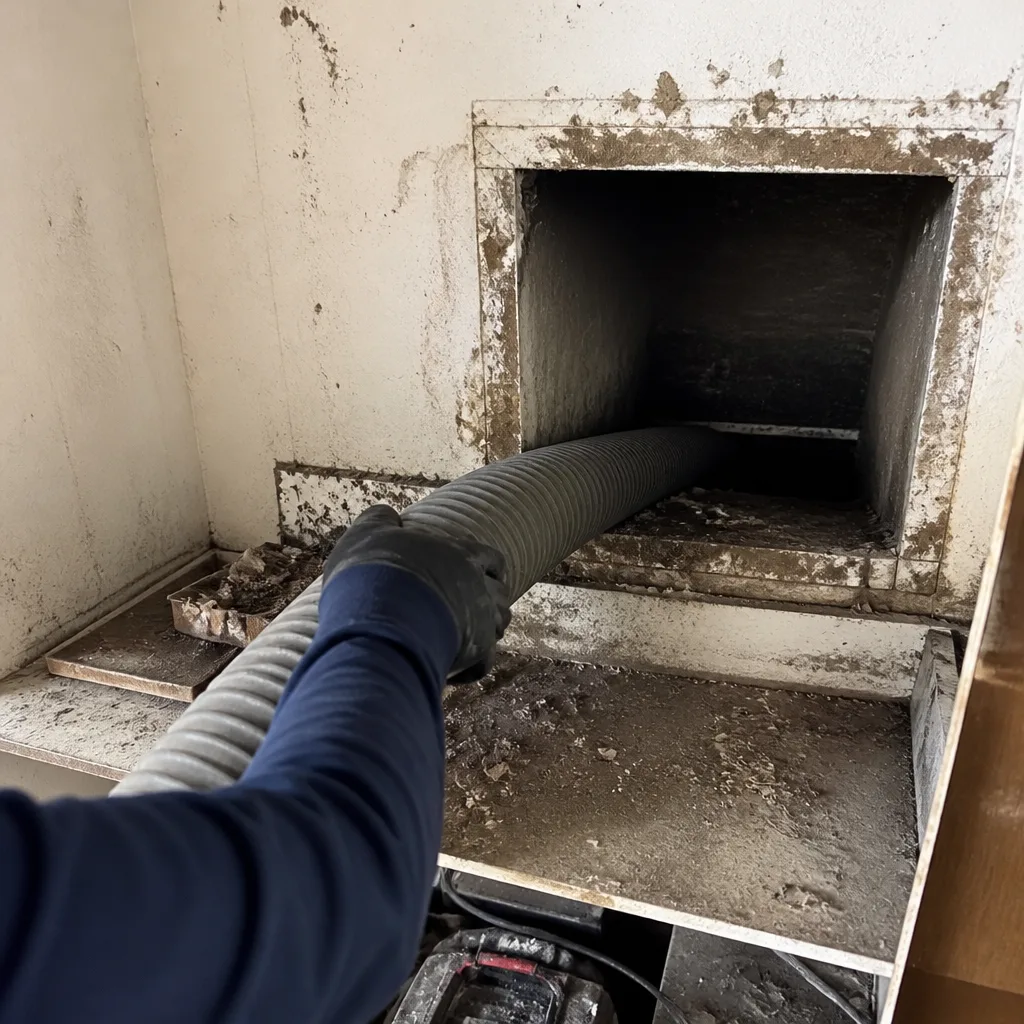 Before
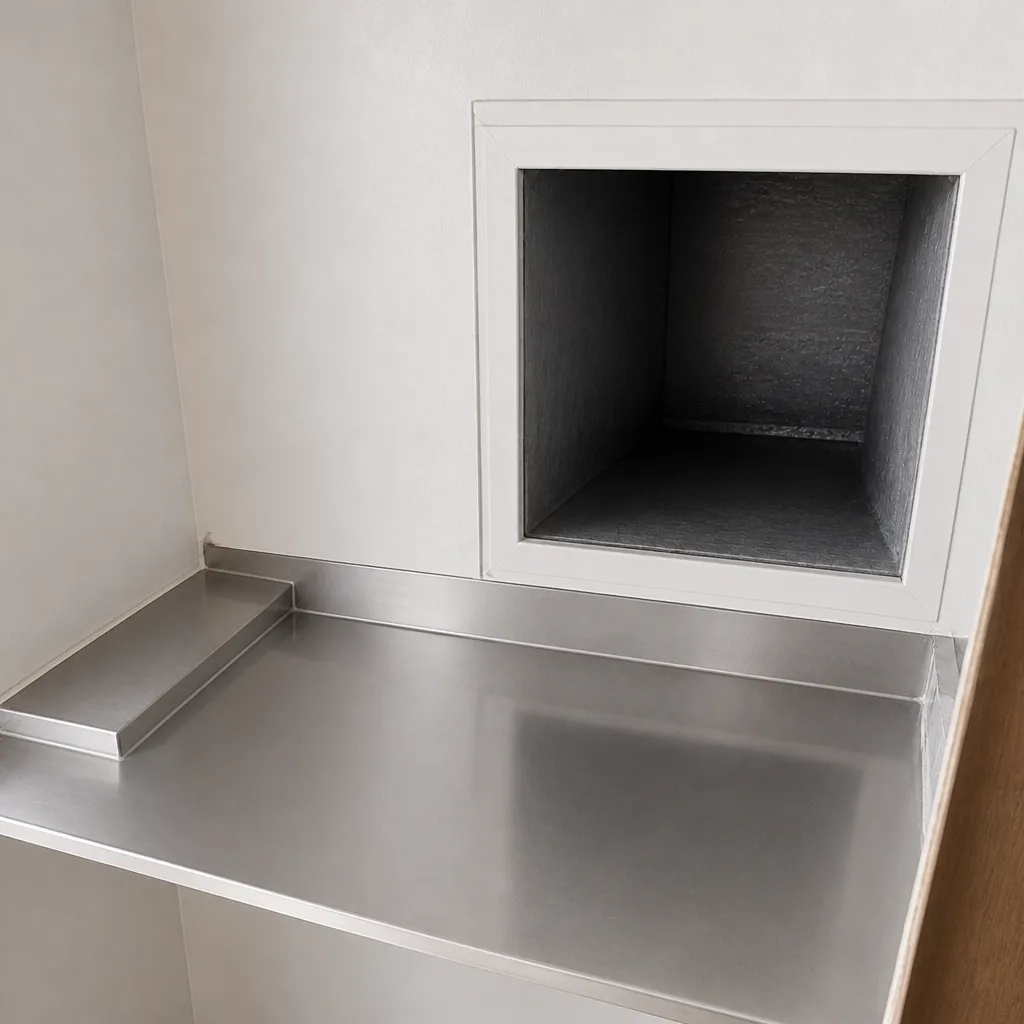 After
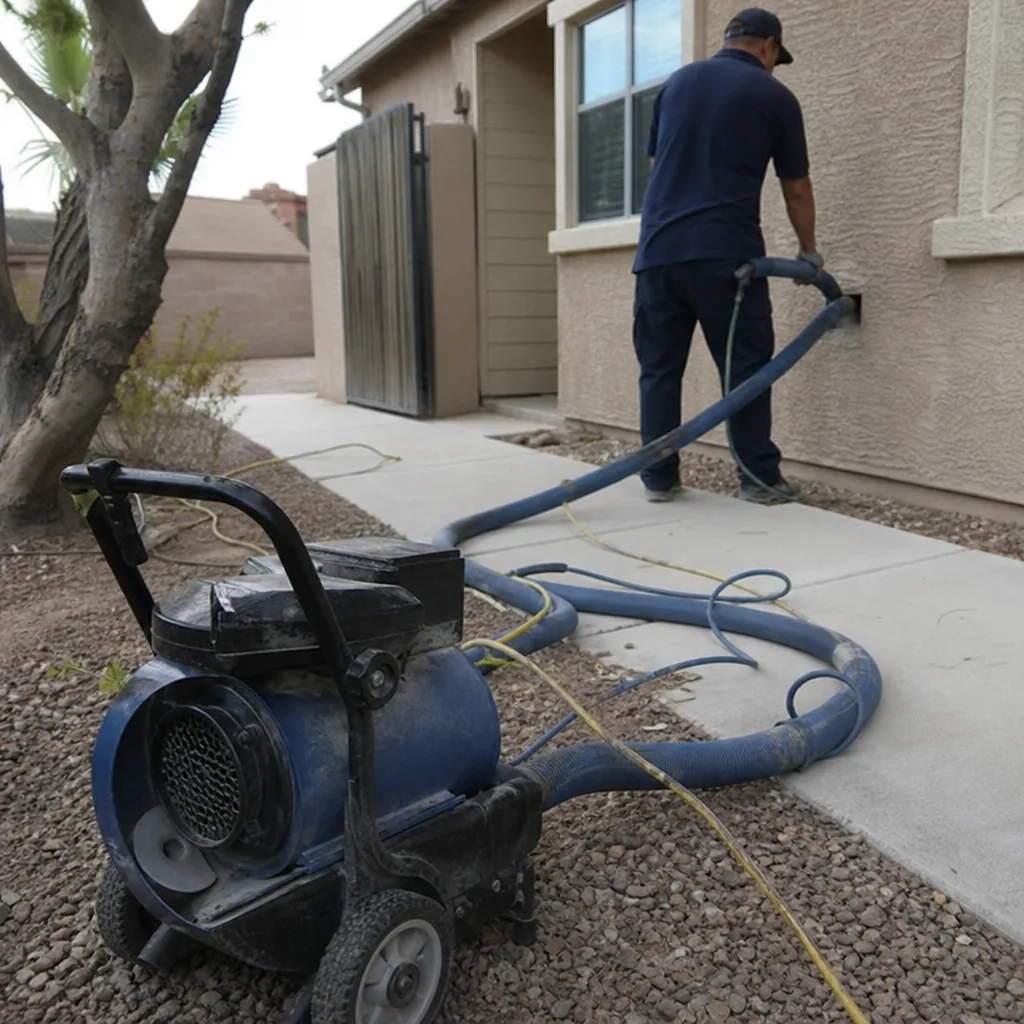 Before
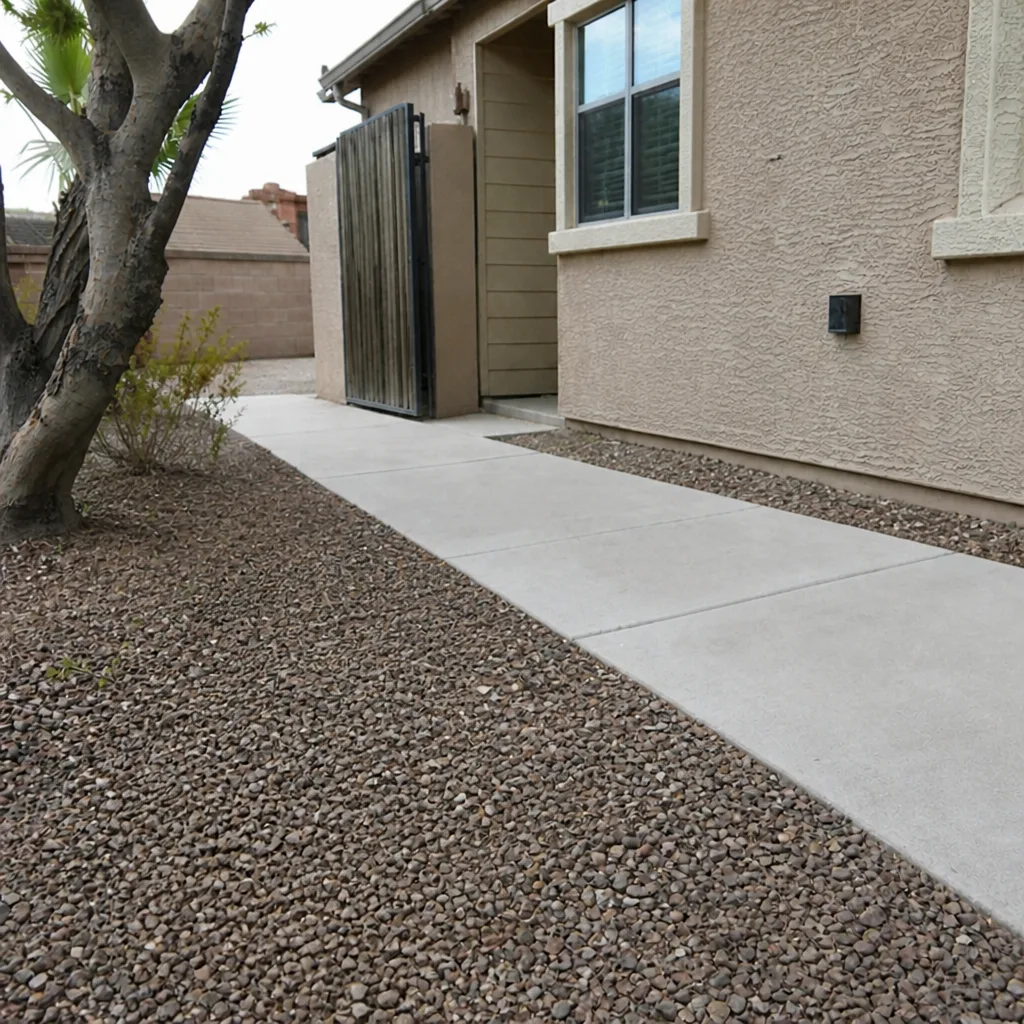 After
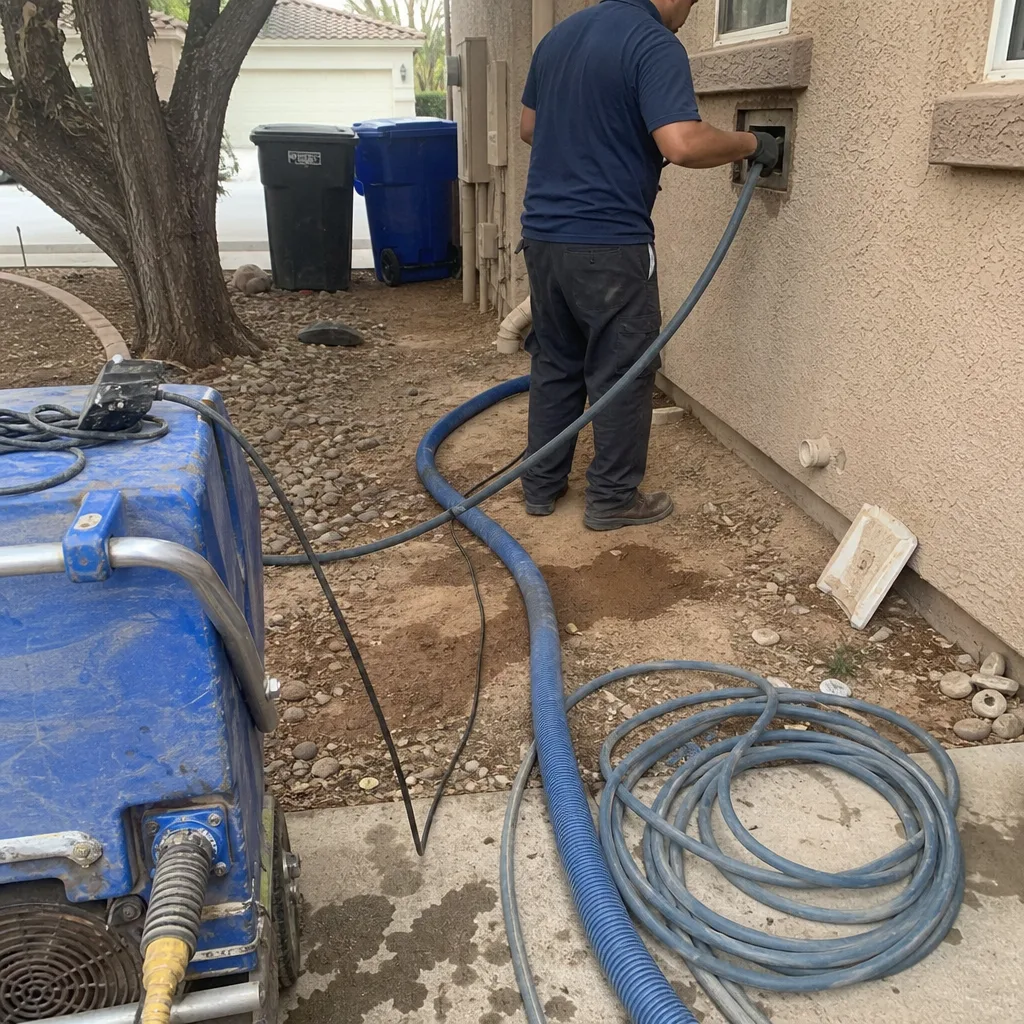 Before
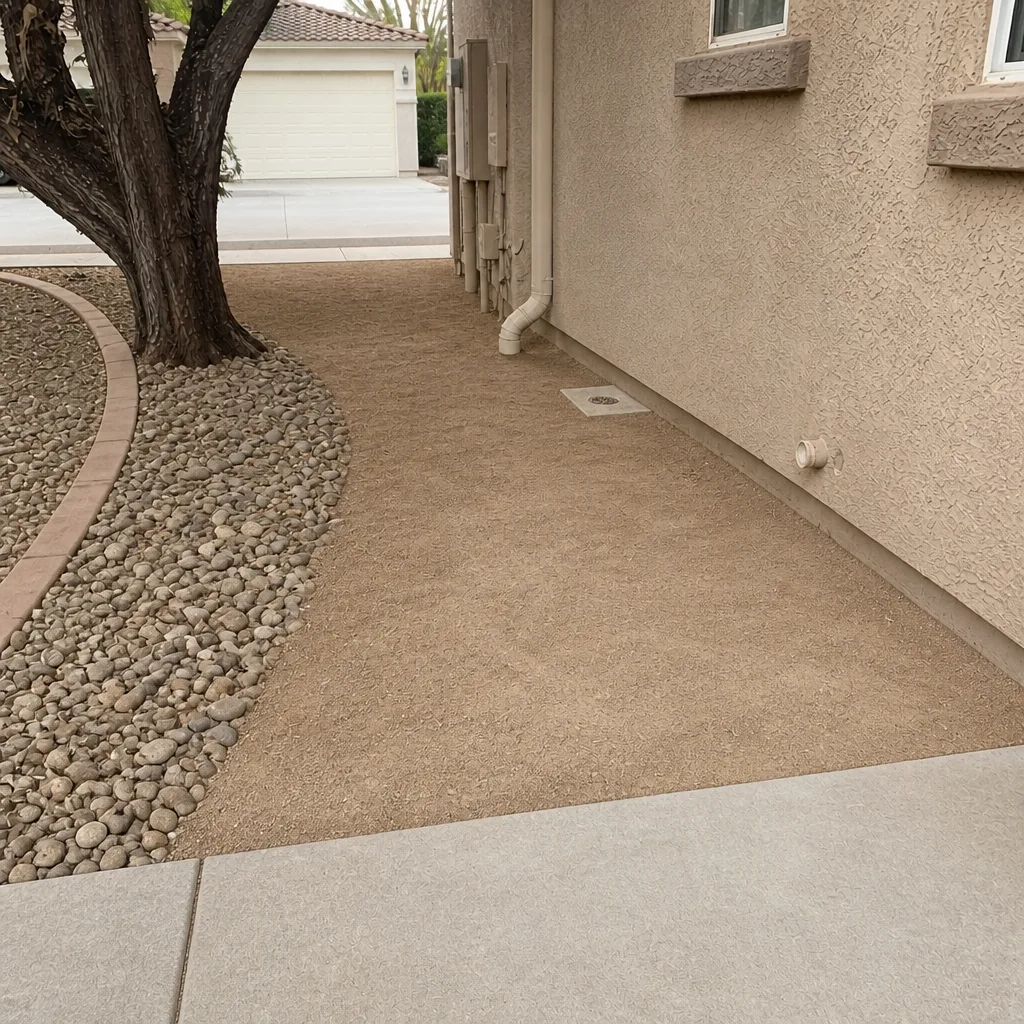 After
Common Mistakes to Avoid
- Following a national schedule in a desert climate. Advice written for a four-season climate assumes far fewer hours of AC runtime. A Peoria system accumulates debris faster, so the schedule needs to be shorter and event-aware.
- Waiting for visible dust at the registers. By the time you see it, the return side and the blower area may already be loaded. Inspections catch loading before it shows up where you can see it.
- Changing the filter on the package interval only. The label describes an average house. Check your own filter and set an interval that matches the dust your home actually produces.
- Ignoring the monsoon window. Skipping the post-monsoon inspection means the summer’s dust load rides into the cooler months unchecked.
- Hiring a generalist for a specialist job. A company that splits its time between roofing, plumbing, and HVAC isn’t built around ductwork. Our focus is air duct and dryer vent services, and nothing else.
- Letting a cleaning-only company leave damaged ductwork. If a run is disconnected or a seam is failing, cleaning without repair solves half the problem. Ask whether the company can fix what it finds.
- Treating a respiratory diagnosis like a routine cycle. When clean air matters to someone’s health, bring the system up to a clean baseline rather than waiting out the calendar.
When to Call a Professional
Call a professional when you see visible debris or musty odor at the registers, when someone in the home has a respiratory diagnosis, after a renovation or pest issue, or when it’s simply been longer than your interval. Call when you notice a spike in surface dust after the AC runs, or when you’re not sure whether the cleaning is actually due. Call when a prior cleaning-only company flagged a problem but couldn’t fix it. We offer free estimates in Peoria; call (844) 834-5310 to book an assessment. Our technicians have up to experience and bring commercial-grade Rotobrush and Nikro equipment to every job. Call (844) 834-5310. We answer 24/7. Fast dispatch from 7am to 7pm, Sunday through Friday.
Frequently Asked Questions
Most Peoria homes should get a full duct cleaning every three to five years, with a lighter inspection at the midpoint and a filter change every one to three months. Homes with allergies, pets, recent renovation, or heavy monsoon exposure should shorten that cycle. Call (844) 834-5310 for an exact assessment; estimates are free.
Peoria’s AC systems run far more hours per year than systems in moderate climates, so duct surfaces accumulate debris at a proportionally faster rate, and monsoon and wildfire smoke seasons add heavy particulate loads. That’s why a schedule written for a four-season climate leaves a Peoria home running dirtier for longer. Call (844) 834-5310 to talk through your home’s specific rhythm.
Start at 60 to 90 days and check the filter yourself, then shorten the interval to 30 days during monsoon and smoke advisories or if you have pets. Generic manufacturer intervals assume an average climate and usually run too long here. Call (844) 834-5310 if you want help matching a filter to your system.
A full cleaning agitates and collects debris from the duct walls, while a mid-cycle inspection is a lighter assessment done between cleanings to confirm the schedule still fits. The inspection costs far less and catches problems early. Call (844) 834-5310 to book either one; estimates are free.
You can wipe down register grilles, change the filter, and do a visual check at accessible registers. Assessing inside the duct runs, cleaning the duct walls, and spotting damage or contamination need equipment and a trained eye. Call (844) 834-5310 for the parts you can’t reach.
Yes. Renovation dust, a new pet, pest activity, musty odor, or a family member’s respiratory diagnosis should all push your next cleaning forward rather than waiting out the normal interval. Call (844) 834-5310 to schedule a post-event cleaning and get a known-clean baseline.
The Bottom Line
The three-to-five-year standard was written for a climate that doesn’t look like Peoria. Here, the AC runs harder, monsoons load the system, and smoke season adds another layer, so the schedule needs to be shorter and built around real events. Clean every three to five years, inspect at the midpoint, change filters on a Peoria interval, and reset the clock after renovation, pests, new pets, or a health diagnosis. For the parts you can’t reach, we use Rotobrush and Nikro equipment and can repair what we find. Duct Cleaning Peoria brings commercial-grade equipment and residential pricing to Peoria homes; see our duct cleaning Peoria page for the full scope, and our dryer vent cleaning service for the other duct system that needs attention. Read more about the area we serve on our Peoria page. Call (844) 834-5310 for a free estimate. We answer 24/7. Fast dispatch from 7am to 7pm, Sunday through Friday.
Written by the team at Duct Cleaning Peoria.