
Last updated November 15, 2026
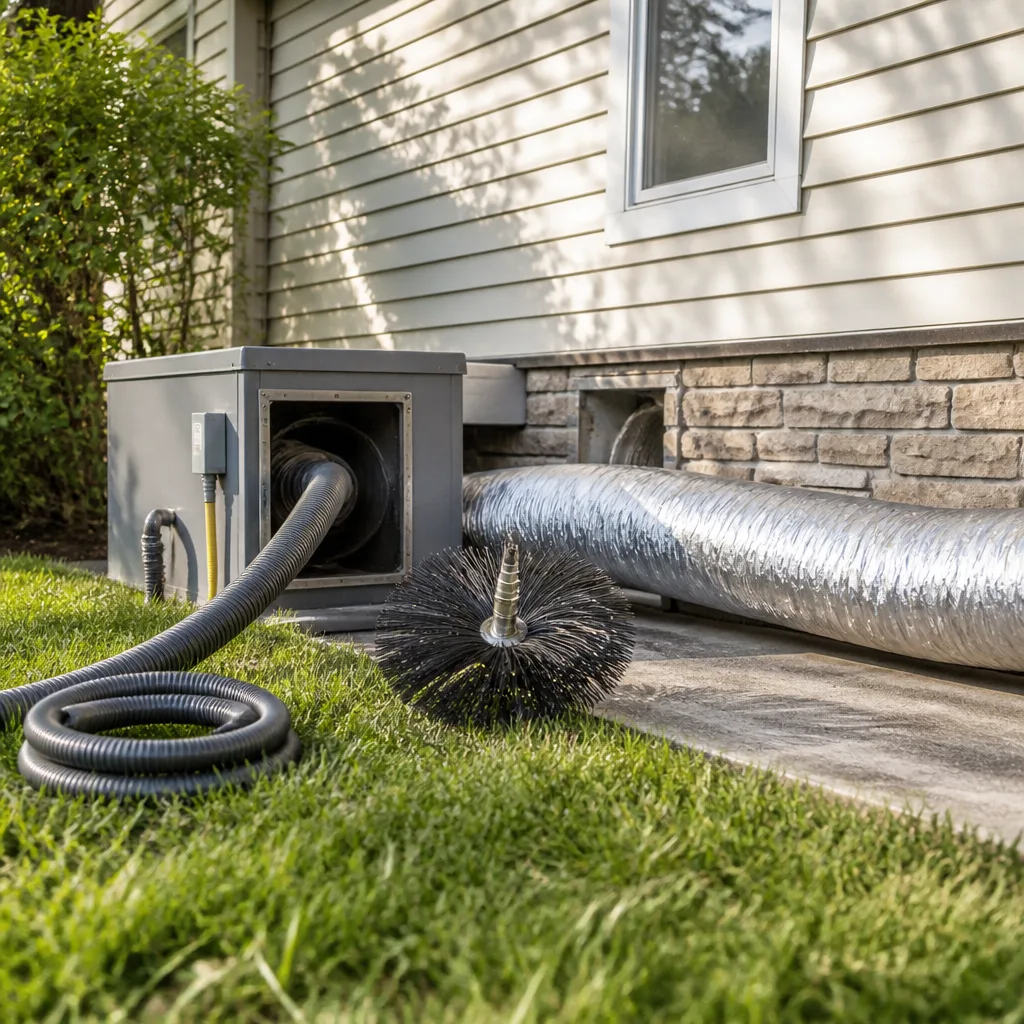 Whole-home duct cleaning
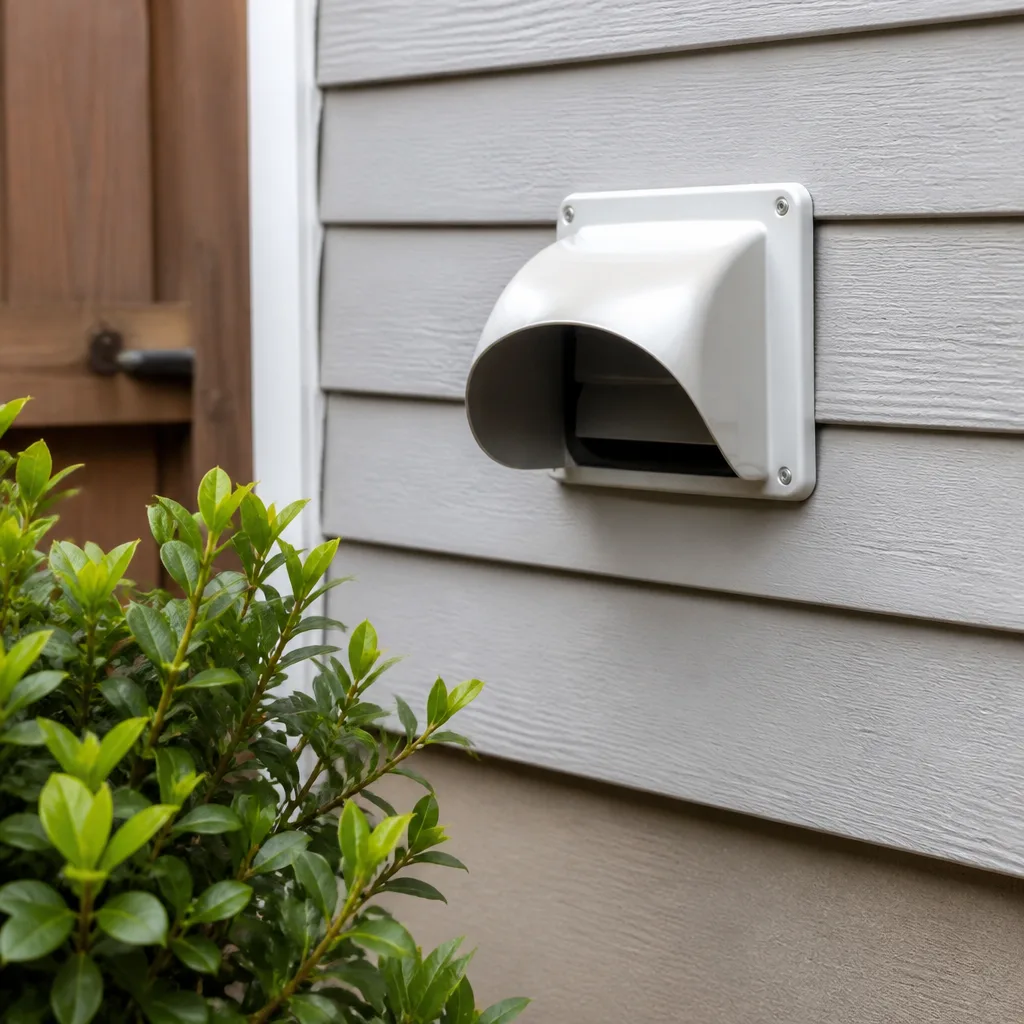 Dryer vent cleaning
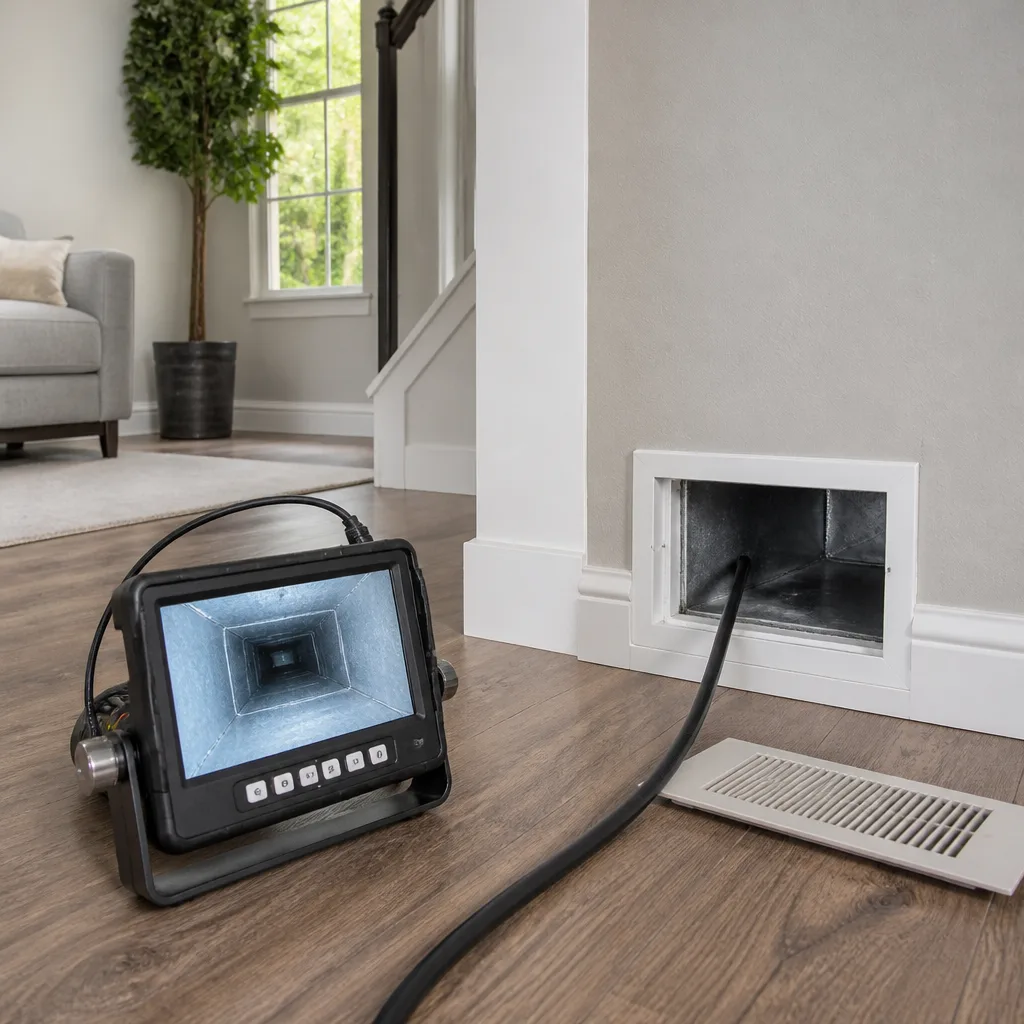 Camera inspection
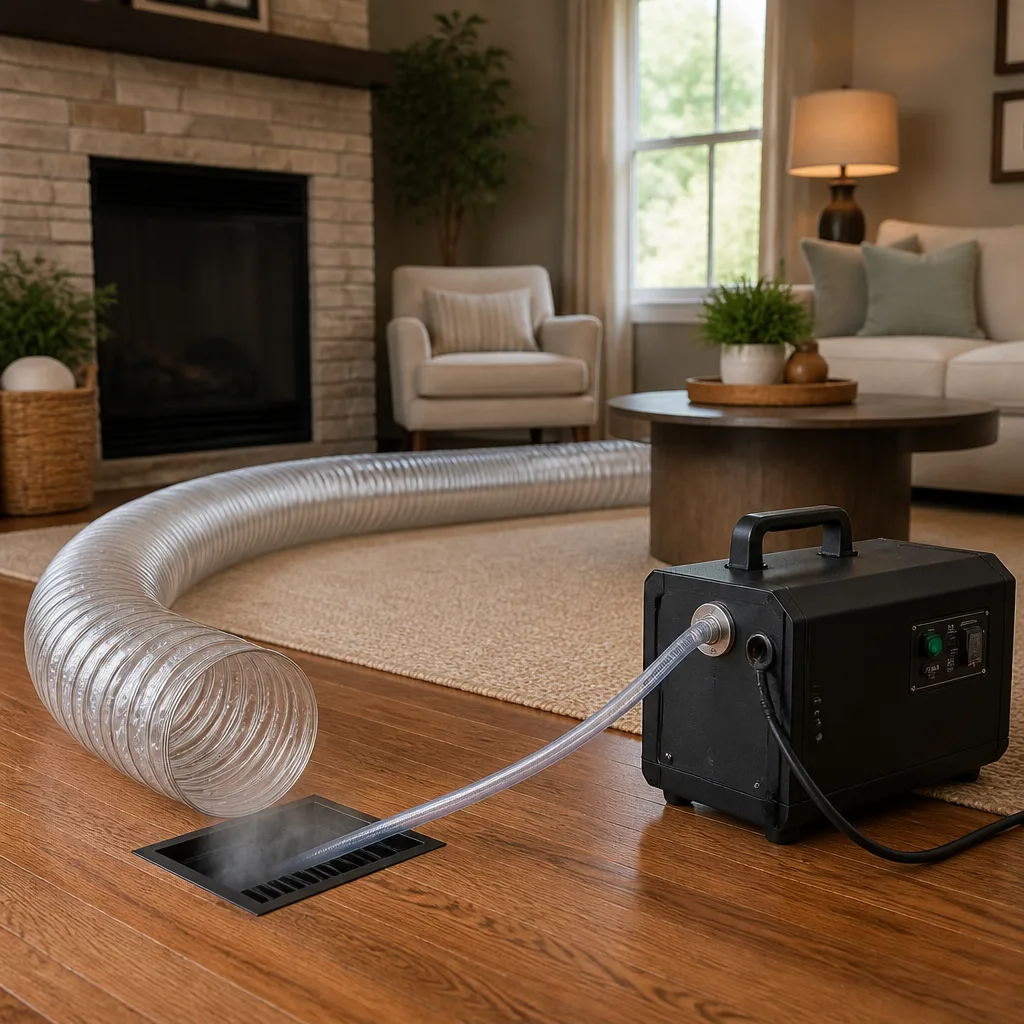 Sanitizing & deodorizing
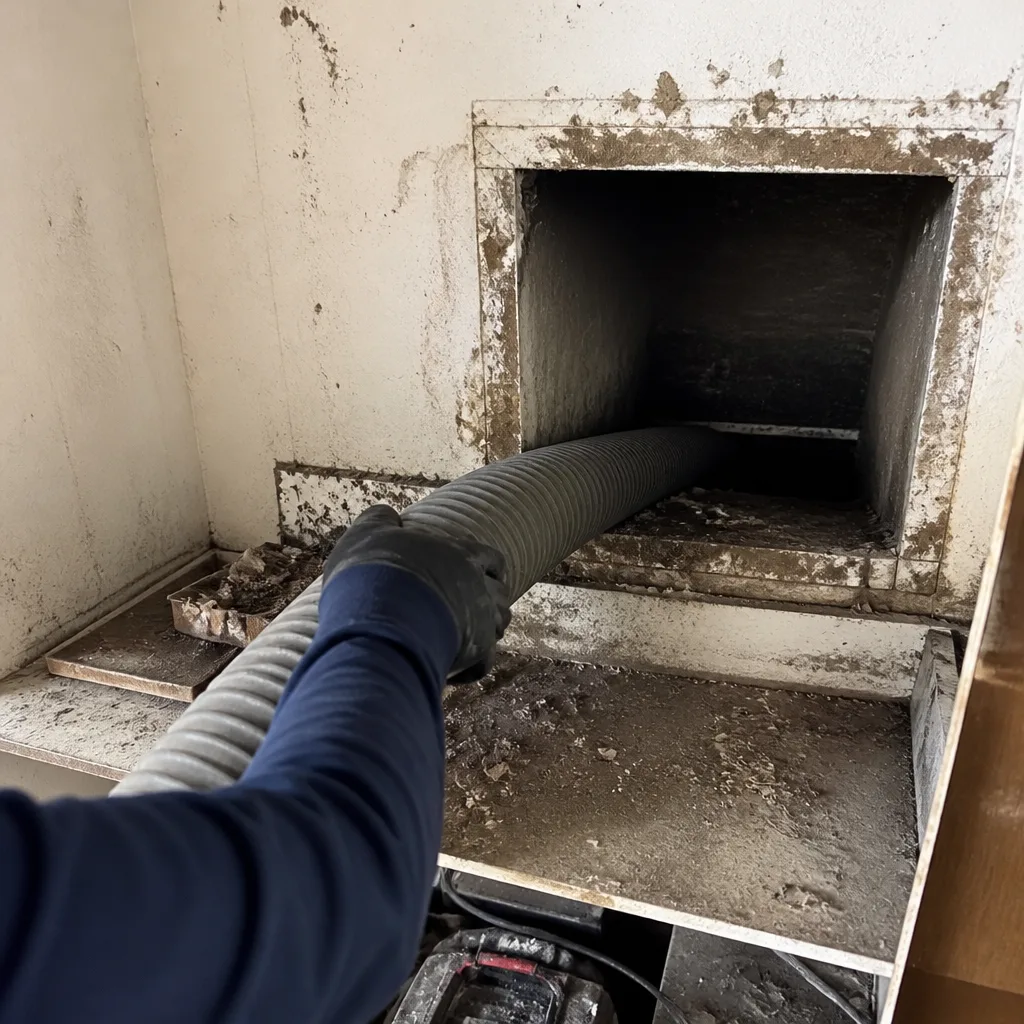
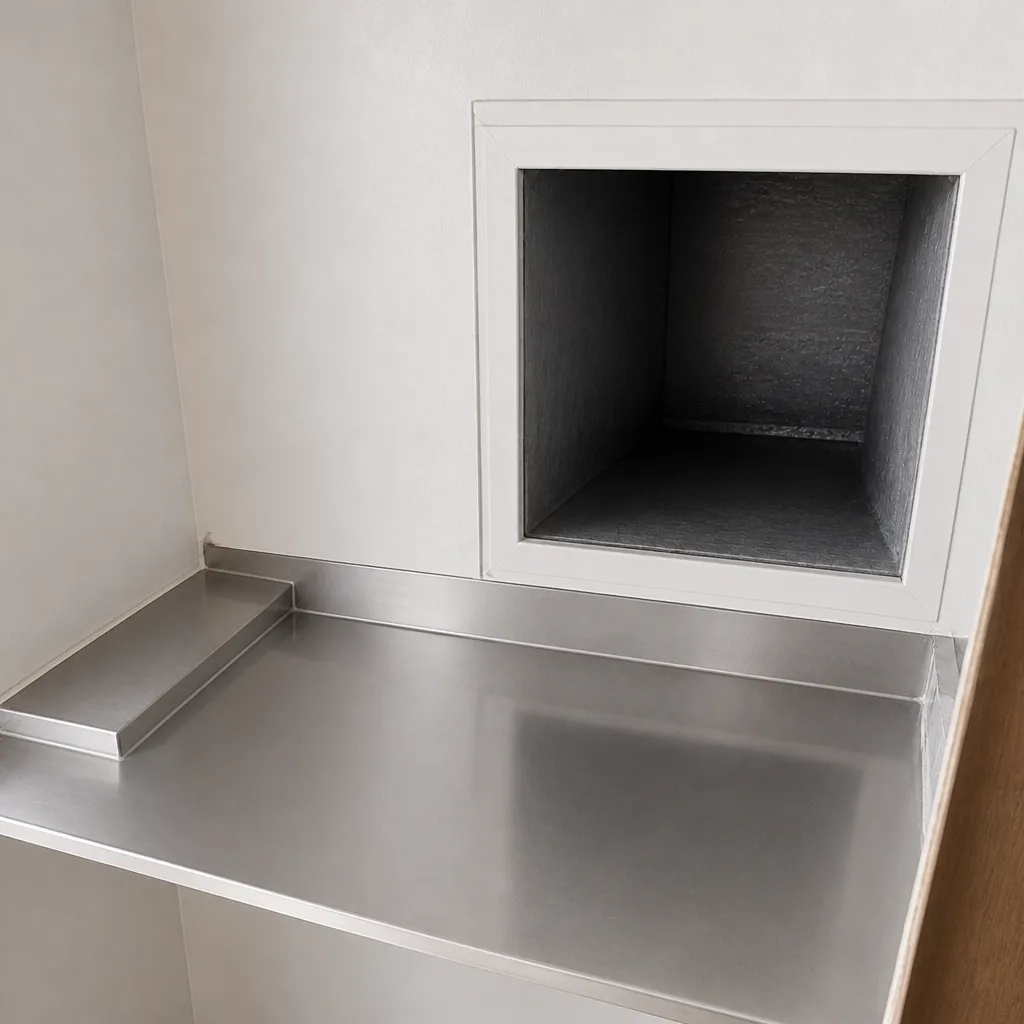
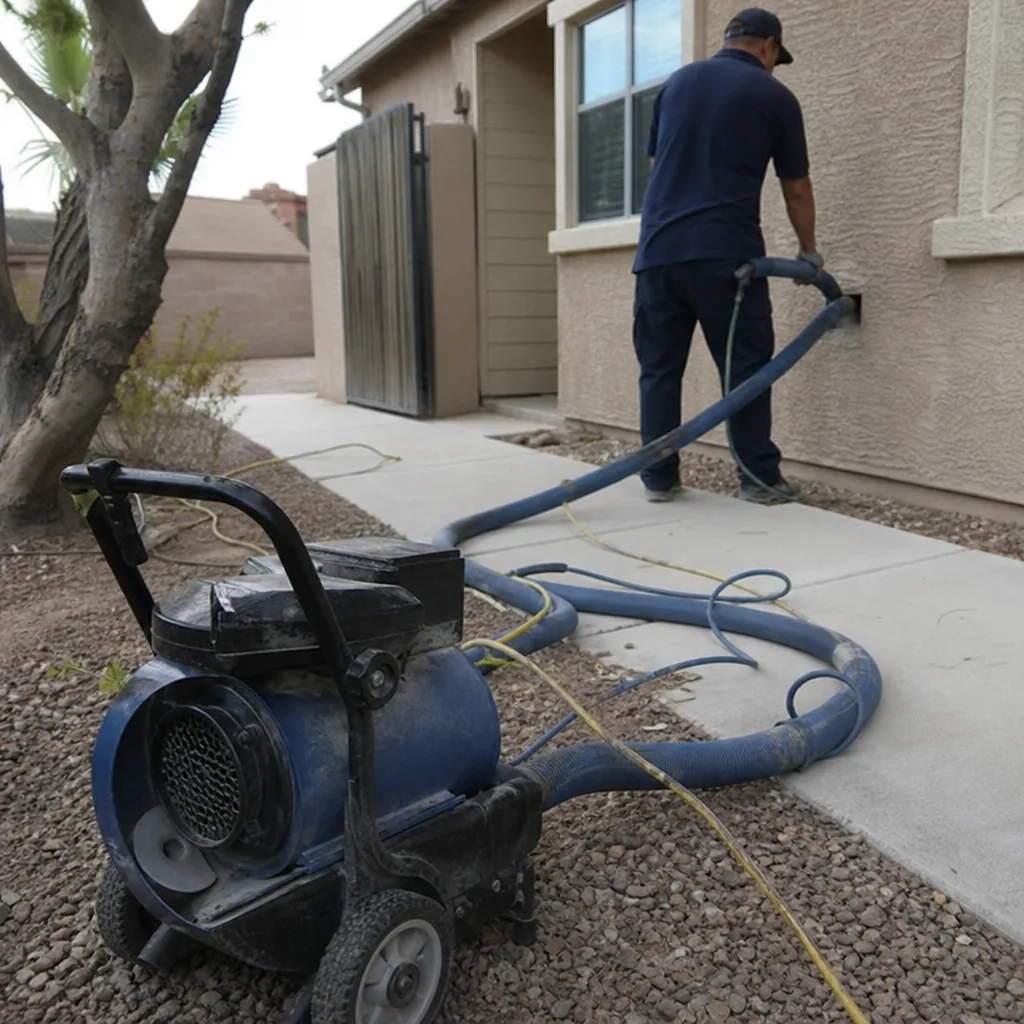
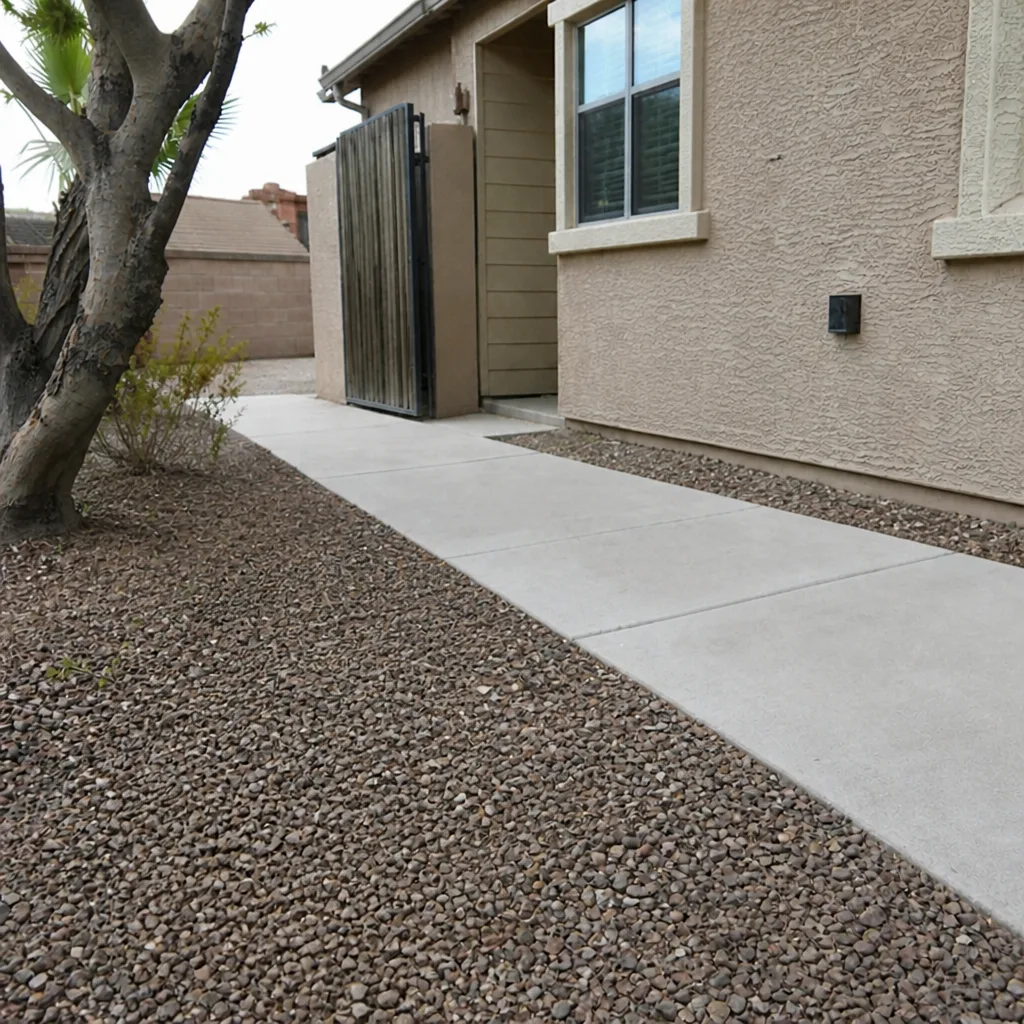
Whole-system duct and dryer vent check with before-and-after photos - you see exactly what came out of your vents
That "$99 whole-house special" is a bait ad - the real number appears once they are in your hallway, or the "clean" is a shop-vac at the register. We photograph the inside of your ducts before and after instead.
Air Duct Cleaning Troubleshooting in Peoria: Common Problems and How to Fix Them
If your allergies got worse after a duct cleaning, the technician probably stirred debris loose without capturing it. That sounds backwards, but it happens more often than any company will advertise. A vacuum that loses its seal pulls dust out of the ducts and dumps it into the rooms you breathe in. The work looked finished. The problem got worse. Here’s the part most homeowners miss: almost every duct complaint people try to fix on their own – swapping filters, cracking vents open, running the fan longer – treats a symptom while the real cause sits inside the ductwork. In this guide we’ll show you how to read what your system is telling you and match each symptom to the fix that actually works, whether you’re in a newer build near Vistancia or an older ranch house off Peoria Avenue.
Quick Answer
Most air duct problems in Peoria fall into four buckets: contamination that wasn’t fully removed, leaks and disconnected joints, airflow design flaws, and moisture feeding mold or a musty smell. Cleaning only solves the first one. If your ducts are dirty, a proper cleaning with commercial-grade equipment and verified negative pressure fixes it. If a flex duct has collapsed or a joint has separated, no amount of cleaning will help until the duct is repaired or sealed. The fastest way to sort out which problem you have is to match your symptom to its cause, and that’s exactly what this guide does.
Styles & brands we work with
- Whole-home duct cleaning
- Dryer vent cleaning
- Camera inspection
- Sanitizing & deodorizing
Table of Contents
- Is It a Dirty Duct Problem or a Duct Design Problem?
- What Does a Musty Smell After Cleaning Actually Mean?
- Symptom-to-Cause Mapping: Reading Your System’s Signals
- How to Verify Your Cleaner Achieved Negative Pressure
- When Duct Repair or Sealing Has to Come Before Re-Cleaning
- Why You’re Still Seeing Dust After a Cleaning
- Reduced Airflow and Uneven Rooms: What’s Really Going On
- Rattling Registers and Noisy Ducts: Causes and Fixes
Is It a Dirty Duct Problem or a Duct Design Problem?
This is the first fork in the road, and getting it wrong wastes money. A dirty duct problem is contamination: dust, debris, pet hair, construction residue, or biological growth sitting on the inside surfaces of the ductwork. A duct design problem is structural: ducts that are too small, too long, crushed, disconnected, or routed in a way that starves some rooms of air. Cleaning fixes the first. Only repair and rebalancing fix the second.
Here’s how to tell them apart before you spend a dollar.
- Dirty ducts tend to affect the whole house evenly. Every room gets dustier, the registers collect a gray film, and the smell is consistent. The system moves air fine; the air is just carrying more particles.
- Design or leakage problems are usually room-specific. One bedroom never cools, the far end of the house runs warm, or a room feels stuffy no matter what the thermostat says. That points to a duct that isn’t delivering air, not one that’s dirty.
- A collapsed flex duct is the classic example. Flexible ductwork can kink, sag, or pinch shut, especially where it makes a tight turn in an attic. A crushed run doesn’t need cleaning – it needs to be replaced. Cleaning it does nothing.
In the hot, dry climate around Peoria, attics get brutally hot for much of the year, and flex duct that runs through that space takes a beating. Runs that sag or pull loose at the collar are common. If a technician cleans a system with a disconnected duct, the vacuum can actually pull attic air and insulation dust into the living space. That’s why the inspection has to come before the cleaning, not after.
We clean it. We fix it. If we find a crushed or separated run during a cleaning job, we can repair it on the same visit rather than leaving you to track down a second contractor. That’s why we offer duct cleaning Peoria and duct repair as connected services instead of two separate trades.
What Does a Musty Smell After Cleaning Actually Mean?
A musty smell after a cleaning almost always means one of two things: mold or organic growth is upstream of the area that was cleaned, or moisture is feeding it from somewhere the cleaning never touched, like a wet drain pan. A musty smell before cleaning points straight at contamination inside the ducts. The two situations need very different responses.
Musty smell before cleaning
Believe it or not, this is the straightforward one. Odor coming from the vents before anyone touches the system usually means microbial growth or heavy organic debris is sitting in the ductwork, often where moisture has collected. A thorough cleaning with equipment capable of handling contamination-level jobs clears it. For systems with visible growth or heavy soiling, we bring Abatement Technologies air equipment to the job – the same class of gear remediation contractors use – because a light residential vacuum won’t get the job done.
Musty smell after cleaning
A smell that shows up or gets worse after a cleaning is a signal the source was never addressed. Two common culprits:
- Growth upstream of the cleaned zone. If the cleaner only reached the trunk lines and main runs, growth in the blower compartment, the evaporator coil, or a remote branch can keep producing odor. The cleaning didn’t miss – it just didn’t go far enough.
- A wet drain pan or coil. Standing water in the condensate pan, a clogged drain line, or a coil that isn’t draining properly keeps moisture in the system and keeps the smell coming back. No amount of duct cleaning fixes a wet pan; the moisture source has to be corrected.
One honest limit: if the source is mold growth on the coil or in the mechanical equipment, that’s a different repair scope than duct cleaning, and we’ll tell you that rather than clean an odor back into your house. Fixing the moisture and cleaning the ducts is what we do. Diagnosing the equipment side is where a qualified HVAC technician earns their fee. In Peoria’s dry air, moisture problems usually come from the cooling system, not the climate, so it’s worth knowing which side of that line you’re on.
Symptom-to-Cause Mapping: Reading Your System’s Signals
Instead of guessing, use the symptom you can actually see or feel. Each one points to a different part of the system, and getting the diagnosis right saves you from paying to clean a problem that cleaning can’t solve.
- Uneven room temperatures – duct leakage, undersized runs, or a crushed flex duct. Not a contamination problem. Cleaning won’t help until airflow is restored.
- Visible dust settling quickly after a cleaning – either the cleaning didn’t capture what it loosened (negative pressure failed) or debris is being pulled in through a leak. See the negative pressure section below.
- Rattling registers – loose duct joints, an undersized register for the airflow, or ductwork that’s vibrating against framing. A mechanical fit problem, not a dirt problem.
- Reduced airflow at some vents – a blocked or collapsed branch, a damper closed somewhere, or debris lodged in a run. Needs inspection and possibly repair, not just a vacuum.
- Consistent musty odor – microbial growth or trapped moisture in the ductwork. A genuine cleaning job if the source is in the ducts.
- Frequent headaches or allergy flare-ups indoors – could be duct contamination, but could also be a filtration issue. Worth a look at both.
Notice how many of those point away from cleaning. Half the “duct cleaning problems” people bring to us are really duct repair problems wearing a disguise. That’s the whole reason a specialist matters: a generalist cleaner arrives, cleans, collects, and leaves, and you’re still cold in the back bedroom. A specialist inspects, diagnoses, and fixes the actual cause – or tells you honestly that the cleaning was never going to solve it.
How to Verify Your Cleaner Achieved Negative Pressure
Negative pressure means the vacuum is pulling harder than the duct can leak, so loose debris gets captured instead of blown into your rooms. It’s the single biggest reason some cleanings make allergies worse. You don’t have to be an engineer to confirm it happened on your job.
- Watch the setup. A proper job seals the system and hooks a high-powered vacuum – we use Rotobrush and Nikro systems – to the main trunk. You should see hoses and, critically, seals at the registers or a containment setup. If the technician is running a shop vac into one vent with nothing sealed, there’s no negative pressure.
- Listen and feel at the vents. With the vacuum running and the air handler off, air should be pulling into the ducts at the vents, not drifting out. Hold a tissue near a register; if it gets sucked toward the vent, air is moving the right way.
- Check for containment. On heavily soiled or contamination jobs, the working area should be protected so debris can’t escape. Abatement Technologies containment gear is what separates a real contamination-level job from a vacuum-and-hope visit.
- Take pictures before and after. Any reputable company can show you images of the duct interior – you should be looking at your own ducts, not stock photos. If you can’t get before-and-after shots, ask why.
- Look at the register faces. After the job, the register covers and surrounding ceiling or floor should be spotless. Dust trails around a vent after cleaning mean debris escaped.
What if you didn’t check, or you suspect the job was done wrong? Call us and describe what happened. We can inspect the system, verify what was actually cleaned, and re-clean properly if needed. There’s no charge for the estimate, and we’ll be straight with you about whether a second cleaning will fix it or whether you’re looking at a repair. Call air duct cleaning and we’ll walk through the setup we use before anything happens on your system.
When Duct Repair or Sealing Has to Come Before Re-Cleaning
Re-cleaning a system with damaged ductwork is throwing money at a symptom. If the ducts leak, sag, or are disconnected, you need repair and sealing before another cleaning will have any lasting effect. Cleaning a leaky system just gives the leaks fresh material to suck in.
The clearest cases where repair comes first:
- Disconnected or separated joints. A joint that’s pulled apart at a collar or boot lets attic air, insulation dust, and outside dirt straight into the system. Sealing it is the only real fix.
- Collapsed or crushed flex duct. A pinched run blocks airflow and can’t be cleaned into shape. It has to be replaced.
- Damaged or torn duct insulation. Ripped exterior insulation on flex duct exposes the duct to attic heat and lets it fail faster. Repair restores the system’s efficiency.
- Leaking trunk connections. Where main runs join, gaps bleed conditioned air into unconditioned space. Sealing those gaps is what actually lowers your energy use.
In a place like Peoria, where cooling runs hard and attic ductwork takes a year-round beating, these problems are common and worth catching early. Our technicians have up to experience reading exactly this kind of damage, and because repair is a standalone service for us, we don’t have a reason to talk you into a cleaning you don’t need. We clean it. We fix it. We improve it – in the order that actually makes sense for your system.
Why You’re Still Seeing Dust After a Cleaning
Dust showing up again right after a cleaning usually means one of three things: the cleaning didn’t capture what it loosened, there’s an ongoing source the cleaning didn’t touch, or your filtration is letting too much through. Let’s take them in order.
The cleaning didn’t capture. This goes back to negative pressure. A vacuum that stirs debris without holding it bound to the duct faces sends dust back into the air. You see it settle on furniture and every flat surface for days afterward. If that’s what happened, the fix is a proper re-clean with commercial-grade equipment, not another pass with the same gear.
An ongoing source. Some of what looks like “duct dust” is coming from elsewhere – a dirty blower, a filter that’s bypassing at the edges, or debris re-entering through a leak. Fixing filtration and sealing leaks stops the cycle. Our familiarity with the Honeywell and Aprilaire lines means we can recommend and service a filtration or air quality upgrade that actually fits your system instead of guessing at a random product.
Filtration that’s too weak. Standard throwaway filters catch the big stuff and let the fine particles through. That’s often why a home still feels dusty even after clean ducts. A proper filter upgrade, matched to your system’s airflow, is a real improvement – but only once the ducts are clean and sealed. Cleaning a dusty system and then dropping in a stronger filter is the right order. Doing it backwards just loads a new filter with old debris.
If your dust problem keeps returning, the honest answer is usually a combination: clean, seal, filter, then maintain. That’s the arc we work to – and it’s why one call here covers cleaning, repair, and air quality upgrades rather than sending you to three different vendors.
Reduced Airflow and Uneven Rooms: What’s Really Going On
Reduced airflow at one or two vents, or rooms that never get comfortable, is the most misdiagnosed problem in the trade. People assume dirty ducts and call for a cleaning. But blocked airflow is almost always a physical restriction, and a vacuum can’t open a crushed duct.
Here’s what to look at, in order:
- Is the airflow problem in one room or the whole house? One room points to a branch duct problem. Whole house points to the air handler, the filter, or a main trunk issue.
- Is a damper closed? Some systems have balancing dampers in the ducts. A damper closed for the wrong season can starve a room.
- Is the filter clogged? A loaded filter chokes the whole system. Swap it and recheck before anything else.
- Is the branch duct crushed, kinked, or disconnected? This needs a physical inspection of the duct run, usually in the attic. If the run has a hard kink or a joint that’s separated, the fix is repair.
- Is the register itself blocked? Furniture pushed against a floor register or a closed vent cover cuts flow fast. Easy to check, easy to miss.
In Peoria, we see a lot of systems where a hot attic has caused flex duct to sag over time, pulling runs into tight, pinched turns. That’s a design-and-installation problem that shows up years later as a cold bedroom. Cleaning the ducts makes the air cleaner but won’t fix the temperature imbalance. Repairing and re-routing that run does. If your uneven-room problem keeps coming back after cleanings, the answer is almost always inside the ductwork, not on its surface – which is a repair job, and one we handle.
Rattling Registers and Noisy Ducts: Causes and Fixes
Rattling or humming at a register is a mechanical fit problem, not a dirt problem. It usually comes from one of a handful of causes:
- Loose joints and fittings. A joint that’s worked loose lets the duct vibrate against framing or the register boot. Repairing the connection silences it.
- An undersized register. A register too small for the airflow it carries whistles or rattles. That’s a design issue, not a cleaning one.
- Ductwork contacting framing. Run a hand along the duct where it meets the structure. If it’s touching solid wood, it’ll rattle. Repositioning or repairing the connection fixes it.
- A loose register cover. Sometimes it’s just screws and a bent cover. Worth checking before you call anyone.
- Debris rattling inside a run. This is the one rattling problem that cleaning actually solves – loose material moving inside the duct as air passes.
If the noise showed up after a recent cleaning, ask the company whether a joint was disturbed or reconnected properly during the job. A good cleaning shouldn’t leave a register louder than it found it. If a joint came loose on the job, it needs resealing. If the noise predates the cleaning, it’s likely design or fit, and a duct repair technician can sort out which.
Common Mistakes to Avoid
- Cleaning before inspecting. Cleaning a system with a disconnected or crushed duct can pull attic dust and insulation into your living space. Always inspect first so you know whether you have a dirt problem, a design problem, or both.
- Assuming a dirty filter means dirty ducts. A clogged filter is a maintenance issue, not proof the ducts need cleaning. Swap the filter first and recheck the symptom before you spend on a cleaning.
- Hiring a shop-vac operator. A consumer-grade vacuum can’t hold negative pressure on a whole-house system. It stirs debris without capturing it, which is how cleanings make allergies worse. Ask what equipment the company uses before you book.
- Skipping before-and-after photos. If you can’t see your own ducts before and after, you can’t verify the work was done. Every job should produce images you can look at.
- Cleaning a leaky system and expecting lasting results. Leaks pull fresh contamination back in. Seal first, then clean, or the dust returns.
- Re-cleaning to fix uneven rooms. Uneven temperatures are an airflow and repair problem. Cleaning won’t move more air, no matter how clean the ducts get.
- Ignoring a musty smell that returns. A smell that comes back after cleaning means moisture or growth upstream wasn’t addressed. Chasing the symptom with repeat cleanings wastes money; find the source.
See the difference
 Before
 After
 Before
 After
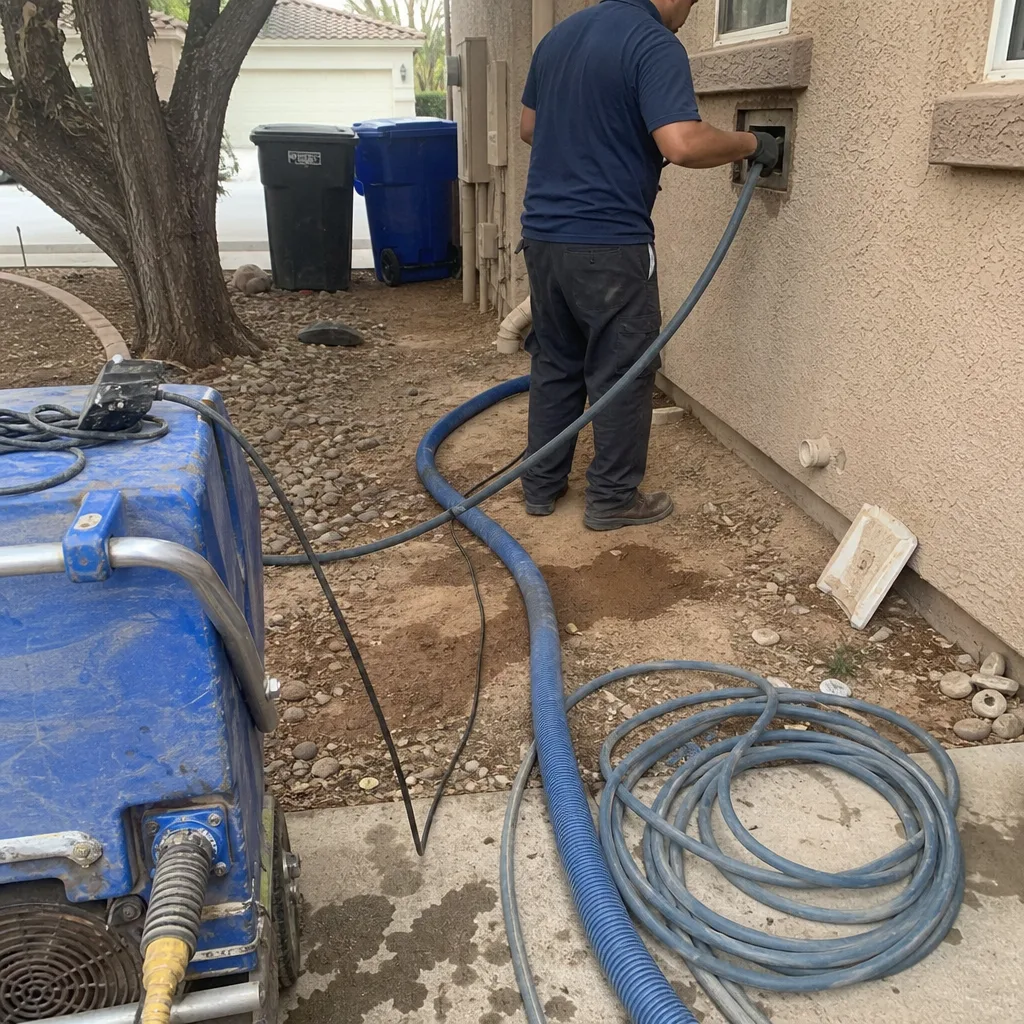 Before
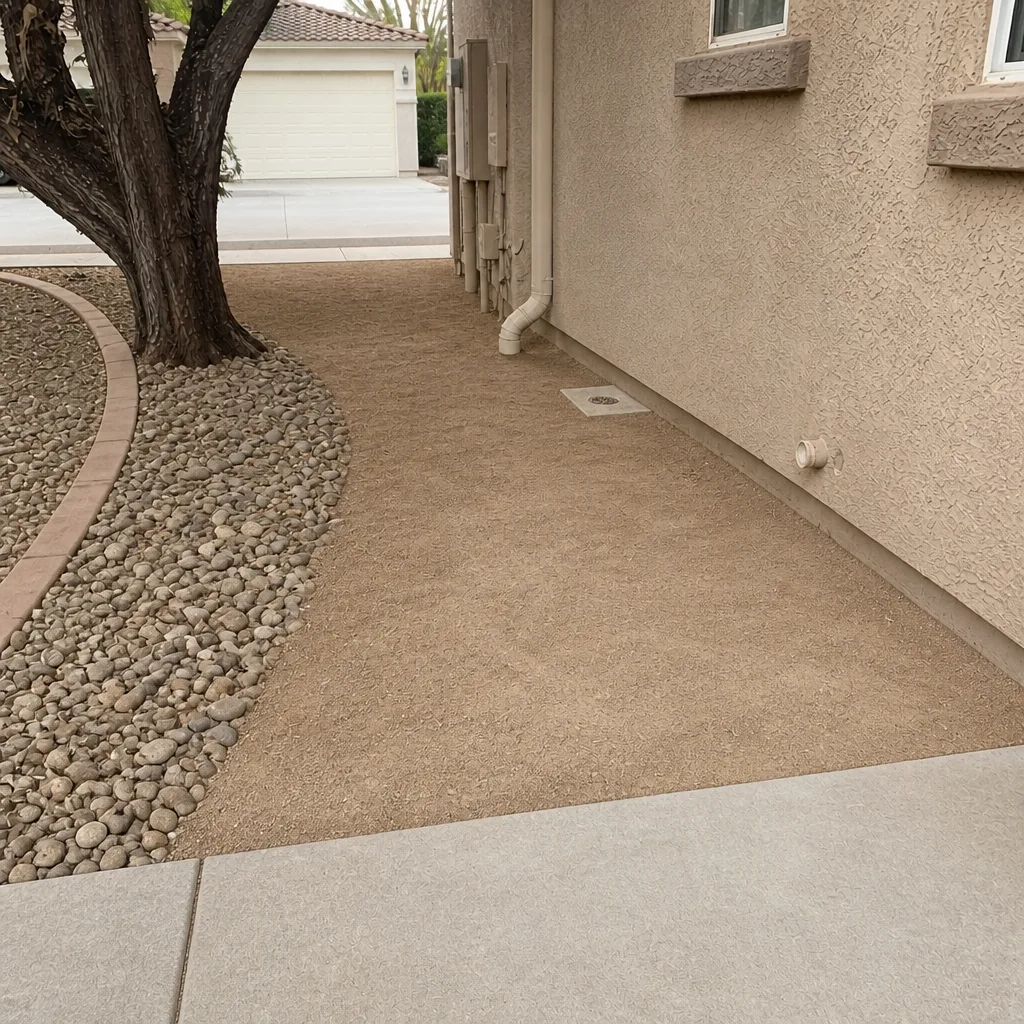 After
When to Call a Professional
Call a professional when the symptom points inside the ductwork and your own checks – filter, vents, register covers – don’t clear it. That covers a musty smell that won’t go away, dust that returns within days of a cleaning, rooms that won’t heat or cool evenly, rattling that appeared after duct work, or any suspicion that your last cleaning didn’t hold negative pressure. These are the cases where guessing costs the most, because the wrong fix gets repeated. Duct Cleaning Peoria offers free estimates in Peoria – call (844) 834-5310. We answer 24/7. Fast dispatch from 7am to 7pm, Sunday through Friday. We’ll inspect, tell you honestly whether it’s a cleaning job or a repair job, and set one flat price for the system before work starts.
Frequently Asked Questions
A cleaning that didn’t achieve negative pressure can stir debris loose without capturing it, sending dust into your rooms. The fix is a proper re-clean with commercial-grade equipment that holds the system under negative pressure and verifies the result. Call (844) 834-5310 for a free estimate and we’ll inspect what happened.
Dirty ducts make the whole house dustier and smell consistently musty; design issues affect specific rooms with uneven temperatures or low airflow. If one room never gets comfortable, it’s almost always a duct run problem, not contamination. An inspection settles it before you spend on a cleaning.
It means the source wasn’t addressed: either growth upstream of the cleaned area or moisture from a wet drain pan or coil. No repeat cleaning fixes it until the moisture or growth source is found. Call (844) 834-5310 and we’ll help you sort out which it is.
Only if the first cleaning failed to capture what it loosened. If there’s an ongoing source – a leak, a bypassing filter, a dirty blower – a second cleaning won’t help until that source is fixed. Inspect, then clean or repair as needed. Estimates are free.
No. Uneven temperatures and weak airflow are airflow and design problems – crushed ducts, separated joints, closed dampers – and cleaning won’t restore air that a duct isn’t delivering. Repair and sealing are what fix those. Call (844) 834-5310 and we’ll diagnose before recommending either.
For most homes, a cleaning every few years is reasonable, sooner after a renovation, pest issue, or suspected contamination. Peoria’s dry air keeps moisture from being the main driver, so contamination and debris usually set the pace. If your system has known leaks or damage, fix those first. We answer 24/7 – call (844) 834-5310 and we’ll talk through your situation.
The Bottom Line
Most duct problems people try to fix themselves are symptoms of something deeper in the ductwork. Match the symptom to the cause before you spend anything: dirty ducts need a proper cleaning with real negative pressure, airflow and temperature problems need repair and sealing, and musty smells need the moisture or growth source found first. Cleaning a damaged system wastes money; fixing the cause first is what makes the cleaning last. If you’re in Peoria and you’re not sure which problem you have, that’s exactly what an inspection tells you. Duct Cleaning Peoria offers free estimates in Peoria – call (844) 834-5310. We answer 24/7. Fast dispatch from 7am to 7pm, Sunday through Friday.
One flat price per system, agreed before work starts. Before-and-after photos of your own ducts. Licensed & Insured. If it can’t be fixed by cleaning, we’ll say so. Call (844) 834-5310 for a free estimate.
Written by the team at Duct Cleaning Peoria.