
Last updated November 15, 2026
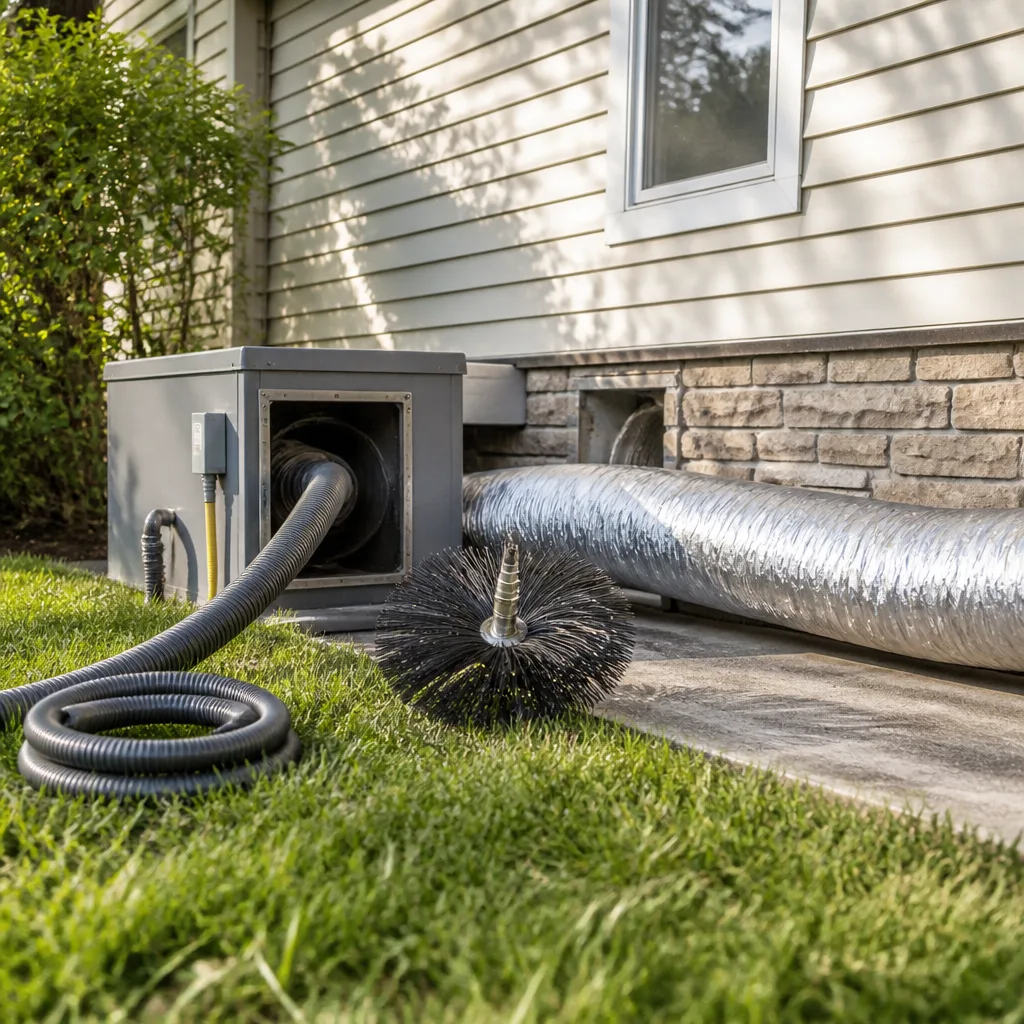 Whole-home duct cleaning
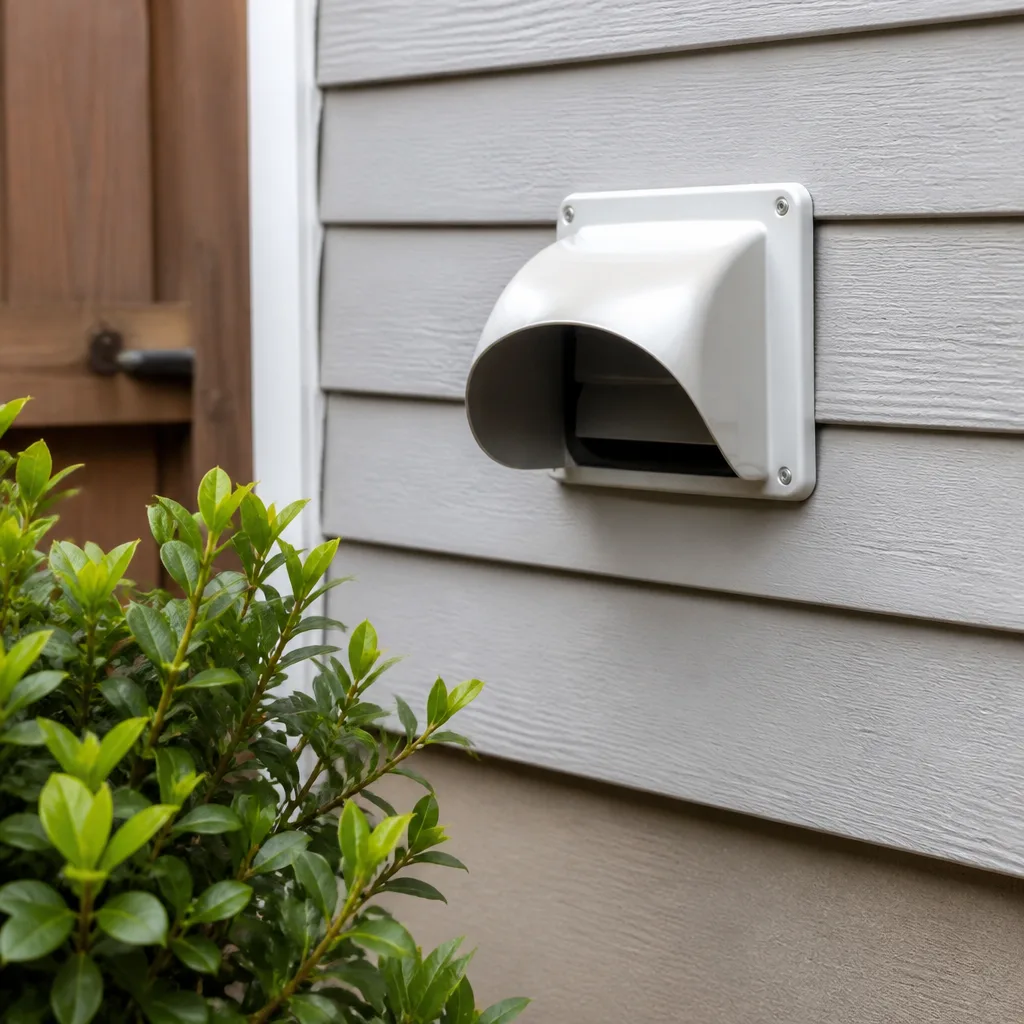 Dryer vent cleaning
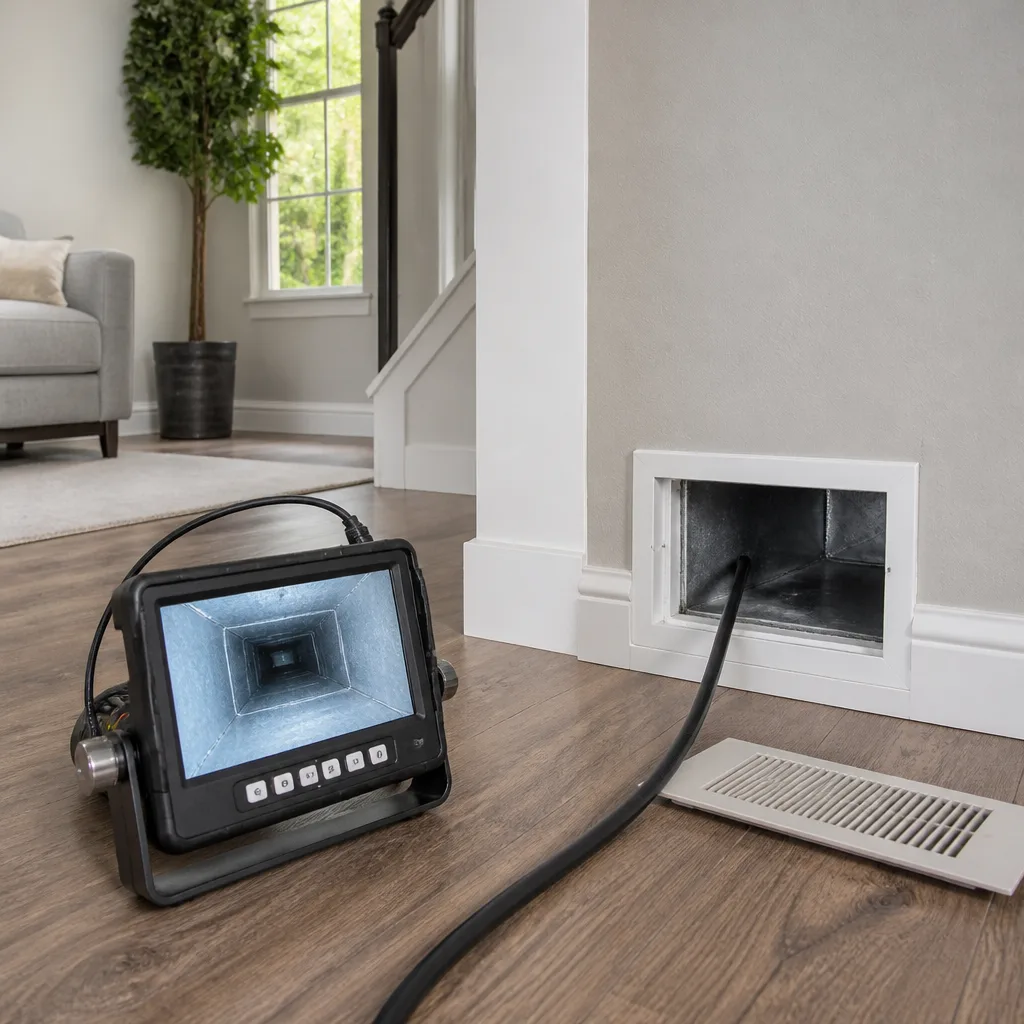 Camera inspection
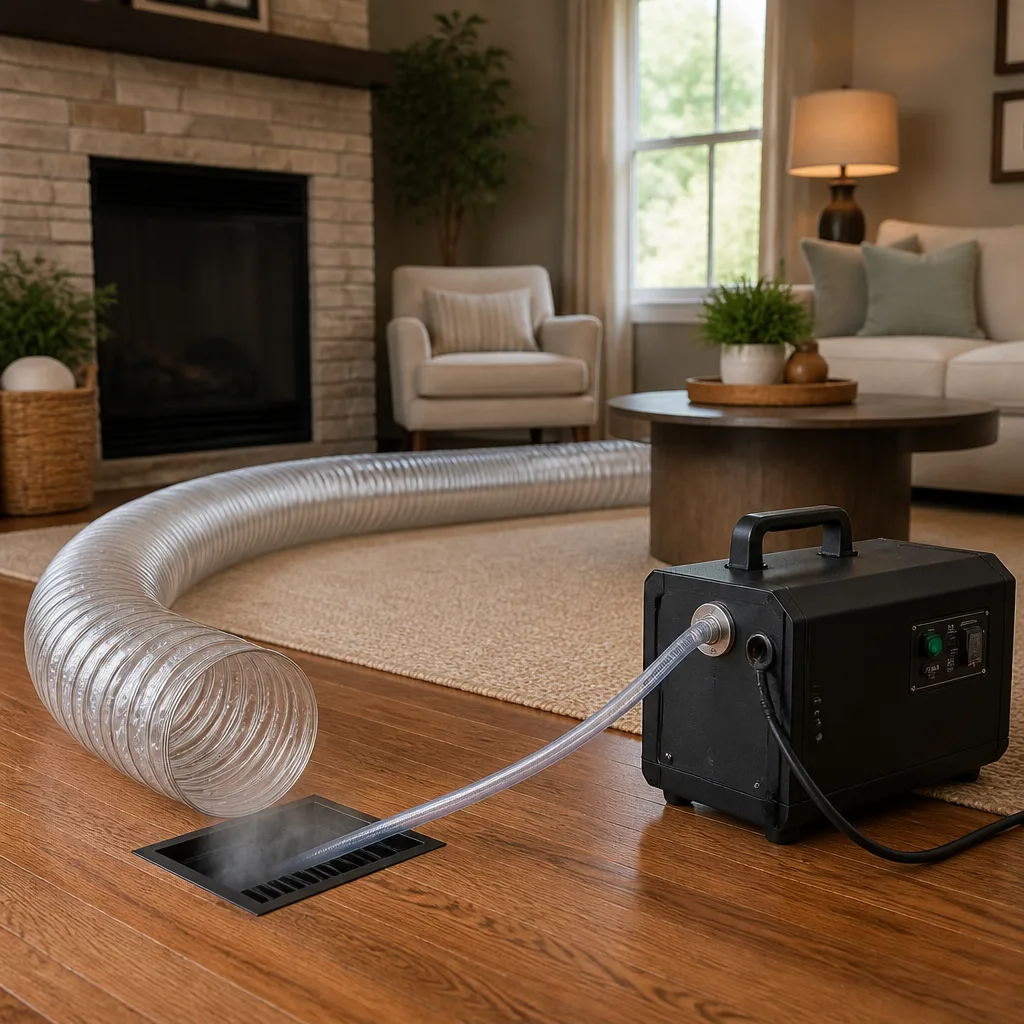 Sanitizing & deodorizing
Whole-system duct and dryer vent check with before-and-after photos - you see exactly what came out of your vents
That "$99 whole-house special" is a bait ad - the real number appears once they are in your hallway, or the "clean" is a shop-vac at the register. We photograph the inside of your ducts before and after instead.
Air Duct Cleaning Cost Breakdown: The Peoria Homeowner’s Reference for 2026
A $149 whole-house duct cleaning and a $650 whole-house duct cleaning are not the same service with different margins. They are physically different processes being done to your home. One is often a shop vac waved at a few registers for twenty minutes. The other is a negative-pressure setup, a commercial rotary brush pushed through every branch line, and a technician who knows how to reach the far end of a flex run in a Peoria attic. This guide breaks down what each line item on a duct cleaning invoice should actually represent in 2026, why quotes here swing by a factor of four, and the questions that let you compare two bids apples to apples.
Quick Answer
Air duct cleaning in Peoria typically runs $350 to $650 for a standard single-story home and $500 to $900 for a two-story home with attic runs, depending on vent count, duct material and access. Whole-system jobs done right include inspection, negative-pressure containment, per-zone contact cleaning, register cleaning and reassembly. The written estimate, not the phone quote, sets the final price.
Styles & brands we work with
- Whole-home duct cleaning
- Dryer vent cleaning
- Camera inspection
- Sanitizing & deodorizing
Table of Contents
- Why Two Duct Cleaning Quotes in Peoria Can Differ by $500
- What Actually Drives the Cost of Air Duct Cleaning Here
- Line-Item Breakdown: What a Professional Invoice Should Include
- Legitimate Add-Ons vs. Upsells That Rarely Pay Off
- How to Compare Two Quotes Without Getting Fooled
- Peoria-Specific Cost Factors: Attic Heat, Slab Homes and Two-Story Runs
- What a Good Quote Looks Like vs. a Bad One
- Frequently Asked Questions
Why Two Duct Cleaning Quotes in Peoria Can Differ by $500
The gap between a $199 quote and a $700 quote on what sounds like the same job isn’t a matter of the second company being greedy. It’s a matter of labor hours and equipment class. A truck-mounted or portable negative-pressure machine with a commercial rotary brush system takes a setup crew, a containment plan, and real time inside every branch line. That’s a different job than running a wet/dry vacuum over each register opening.
Here’s how the low-ball model works. The teaser price covers what’s essentially a surface pass: they pull the grilles, poke a hose into the visible main trunk, and call it done. Cold air keeps blowing dust back into the rooms next week. The high-end model uses professional-grade gear like Rotobrush and Nikro systems, contains the whole system under negative pressure, and cleans branch by branch. The invoice reflects that. We use this commercial-grade hardware on residential jobs because it’s the only way to reach the debris that matters.
Three things separate those two price points:
- Equipment class. Consumer shop vacs versus commercial negative-pressure machines with rotary agitation.
- Time on the system. A serious whole-home cleaning on a Peoria two-story with twelve or more vents takes hours, not minutes.
- What gets reassembled and verified. Registers cleaned, seals checked, and before-and-after photos of their own ducts shown to the homeowner.
Our technicians have up to experience, and every one of them works exclusively on duct and vent systems. That focus is another reason a specialist bid often looks higher than a generalist’s teaser price: you’re paying for someone who does this all week and can spot a collapsed flex run in the attic before they run the brush through it. For a look at how the full service works end to end, see our Duct Cleaning Peoria page.
What Actually Drives the Cost of Air Duct Cleaning Here
Local pricing is not a flat number per house. Four variables move it, and understanding them is how you sanity-check a bid before you sign.
1. Square footage and system size
A 1,200-square-foot ranch home with six supply registers and two returns is a smaller system and faster job than a 2,800-square-foot two-story with fourteen registers and three returns. The bigger house means more branch lines, more trunk feet and more hours.
2. Number of supply and return vents
Every register has to be removed, cleaned and reset. Returns usually hold more debris than supplies because that’s the suction side. A system with generous returns takes longer even if the square footage is modest.
3. Duct material: flex versus sheet metal
Flexible duct (the silver, corrugated hose common in newer Peoria construction) traps dust in its ridges and needs careful rotary agitation so it isn’t torn. Sheet metal trunk lines are smoother and clean faster per foot, but they can have hard turns that need more attention. Mixed systems – sheet metal trunk with flex branches – are the norm here and are priced accordingly.
4. Access complexity
In Peoria’s many slab-on-grade homes, the trunk can run through the attic while the branch lines drop through walls, or the whole system can be packed into a shallow attic access hatch. Attic access is the single most variable labor factor we price. A crawl-through hatch in a tight space takes real setup time. Two-story homes usually put the air handler and ducts in the attic above the second floor, adding height and heat to every minute of the job.
Numbered summary for quote-normalizing:
- Total heated square footage
- Count of supply registers plus return grilles
- Duct material mix (flex, sheet metal, or both)
- Where the system runs and how hard it is to reach
Line-Item Breakdown: What a Professional Invoice Should Include
This is the section most estimates skimp on. A legitimate whole-system cleaning invoice should map to distinct stages. Here’s what each line represents and roughly what portion of the price it accounts for.
| Line Item | Typical $ Range (Peoria) | What It Covers |
|---|---|---|
| Inspection & system mapping | $0 – $75 (often folded in) | Locating every register, checking for disconnected flex, noting contamination level |
| Negative-pressure setup & containment | $75 – $150 | Hooking the collection machine to the trunk, sealing openings |
| Contact cleaning per zone | $150 – $350 | Rotary agitation through trunk and branches, the bulk of labor time |
| Register and grille cleaning | $50 – $100 | Removal, washing, reseating every supply and return |
| Reassembly & final check | $40 – $80 | Reseal, re-tape joints, confirm airflow, before-and-after photos |
Those line items total roughly $350 to $900 depending on the house. A quote that lumps the whole job into one number without breaking it down isn’t necessarily a bad bid, but you should be able to get the breakdown on request. If a company can’t tell you how many registers you have or where your return grilles sit, that’s a signal.
What should never appear as a line item: a per-vent price that balloons as the technician “discovers” more vents. We set one flat price per system and agree it in writing before any equipment comes out of the case. If the scope changes, the conversation happens before the work does.
Legitimate Add-Ons vs. Upsells That Rarely Pay Off
Every duct cleaning eventually comes with an offer list. Some of these add-ons are real work that improves your system. Others are margin builders that get bundled because the price looks small.
Add-ons that are usually worth it
- Dryer vent cleaning. A separate system entirely, heavy lint build-up is a real fire concern and it’s a quick job when done alongside the ducts. Our dryer vent cleaning is a standalone service, and bundling both into one visit saves setup time.
- Sanitizer application. Worth considering when there’s a specific trigger – a musty smell, pest activity, or a post-renovation system full of drywall dust. We use Abatement Technologies air equipment on heavier contamination jobs that most residential cleaners won’t touch. On a clean system with no odor, the sanitizing step is optional.
- Duct repair. When the cleaning reveals a disconnected flex run, a crushed branch or a torn joint, fixing it now is cheaper than another visit later. That’s why duct repair is a standalone service here rather than something you have to source from a second contractor.
Add-ons to question
- Repeated air quality products pushed on the same visit the technician is standing in the attic with a hose. If the recommendation isn’t tied to a specific finding, hold off.
- Sealant sprays with no explanation of what they seal or why your ducts need them.
- Whole-home air purifier add-ons layered on before the duct system is even clean. Clean first, then talk IAQ.
Where indoor air quality upgrades do make sense, we stock and service Honeywell and Aprilaire product lines, so that conversation happens after the ducts are clean rather than as a tacked-on sales pitch. Look at our main air duct cleaning page for the scope of what a cleaning visit actually covers. The point is: legitimate add-ons have a reason and a target. If your technician can’t name what a product fixes in your specific system, skip it.
How to Compare Two Quotes Without Getting Fooled
Comparing bids on a duct cleaning is trickier than on a water heater or an A/C replacement because two contractors can scope what they call “the same job” very differently. The lower bid usually isn’t cheaper. It’s shorter.
To normalize the numbers, ask every bidder the same set of questions and write the answers down:
- How many supply registers and how many returns do you count? If their number is lower than yours, they may be scoping a partial job.
- Does the price cover every branch line or just the main trunk? The trunk is the easy part. Branch lines are where the labor lives.
- What equipment will be on site? Look for a named system: Rotobrush, Nikro, or comparable. “Professional vacuum” isn’t specific enough.
- Will you pull and clean the registers? Some quotes skip this. It’s cheap work that matters.
- Do I get before-and-after photos of my own ducts? Not stock photos. Your system.
- What happens if you find a disconnected or torn duct? The answer tells you whether you’ll need a second contractor to fix it.
- Is this price final, or is it a starting point? You want the flat quoted number before any work begins.
Two bids that pass that seven-question test are genuinely comparable. Two bids where one company skips the registers, ignores the branches and runs a shop vac over the trunk are not in the same category. Our Guardsman-grade cleaning standards exist precisely so a homeowner can line up our invoice against those questions and see them all answered.
Peoria-Specific Cost Factors: Attic Heat, Slab Homes and Two-Story Runs
Pricing here is also shaped by things a generic national duct cleaning article won’t mention. Peoria homes sit in a desert climate with long, harsh summers, and ductwork in the attic runs through real heat. That isn’t just an efficiency problem. It’s a labor factor.
Attic duct runs in summer heat
By the time an attic has been baking through July, the space above a Peoria ceiling can climb well past 150°F. Working in that environment takes more crew rotations and a longer job window than the same footage done in a basement or a crawl space. Both the equipment and the setting shift the labor time, and that’s a legitimate reason a Peoria duct cleaning quote runs higher than the same square footage in a cooler market. A low bid that doesn’t account for attic work time is either unaware or planning to rush.
Slab-on-grade homes
Lot of Peoria homes are slab-on-grade with branch lines dropping through walls or packed under insulation in attics. That layout can mean tight access hatches and delicate navigation around flex runs. Access complexity adds setup time, and setup time is on the invoice.
Two-story homes with upstairs air handlers
Two-story homes in neighborhoods like Vistancia and the newer builds around the P83 area often put the air handler and central duct trunk up above the second floor. That’s a longer attic traverse and more registers to handle, which lands a whole-house cleaning in the upper half of the local range.
None of this is a reason to pad a bid. It’s a reason to distrust a bid that’s suspiciously low for a two-story Peoria home. If you’re mapping out service across the area, our Peoria page covers the neighborhoods and how we handle the region generally.
What a Good Quote Looks Like vs. a Bad One
Once you know the factors, the shape of a good quote is easy to spot. Here’s the contrast.
A good quote:
- Names your actual system: register count, return count, and the material mix
- Quotes one flat price for the whole system, agreed before work begins
- Lists the line items: inspection, negative-pressure setup, contact cleaning, register cleaning, reassembly
- Mentions before-and-after photos of your own ducts
- Flags duct repair as an available service if something is found
- States the estimate is free and the written number is final
A bad quote:
- Hands you a teaser number and waits to “confirm” it once on site
- Charges per vent, with a count that climbs after arrival
- Can’t name the equipment going in the truck
- Skips registers, skips branches, or skips both
- Offers sanitizer and sealants as line items before anyone has looked at the ducts
- Never mentions photos or verification
The difference between those two quotes is often $200 to $400. That’s the cost of doing the job the second way, which is to say, the only way it should have been done the first time.
Common Mistakes to Avoid
- Chasing the lowest teaser price on a coupon. A $99 coupon is a reason the technician shows up, not the price you’ll actually pay. Ask for the flat whole-system number up front.
- Accepting a quote without a register count. If the bidder never counted your vents, they scoped the job by guesswork. That number will change on site.
- Assuming a general HVAC company is a duct specialist. A furnace tech might know airflow, but duct cleaning specifically requires negative pressure and rotary agitation equipment. Ask what specific system they bring.
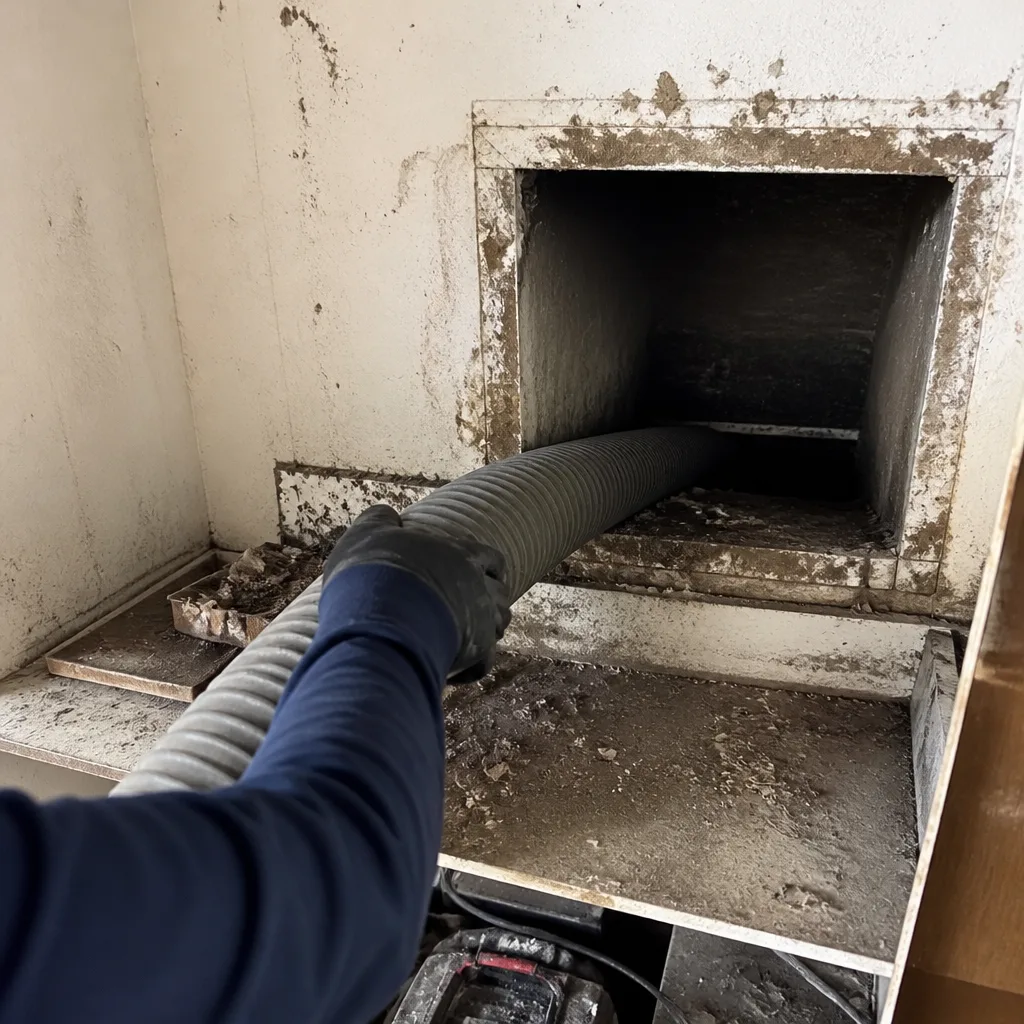
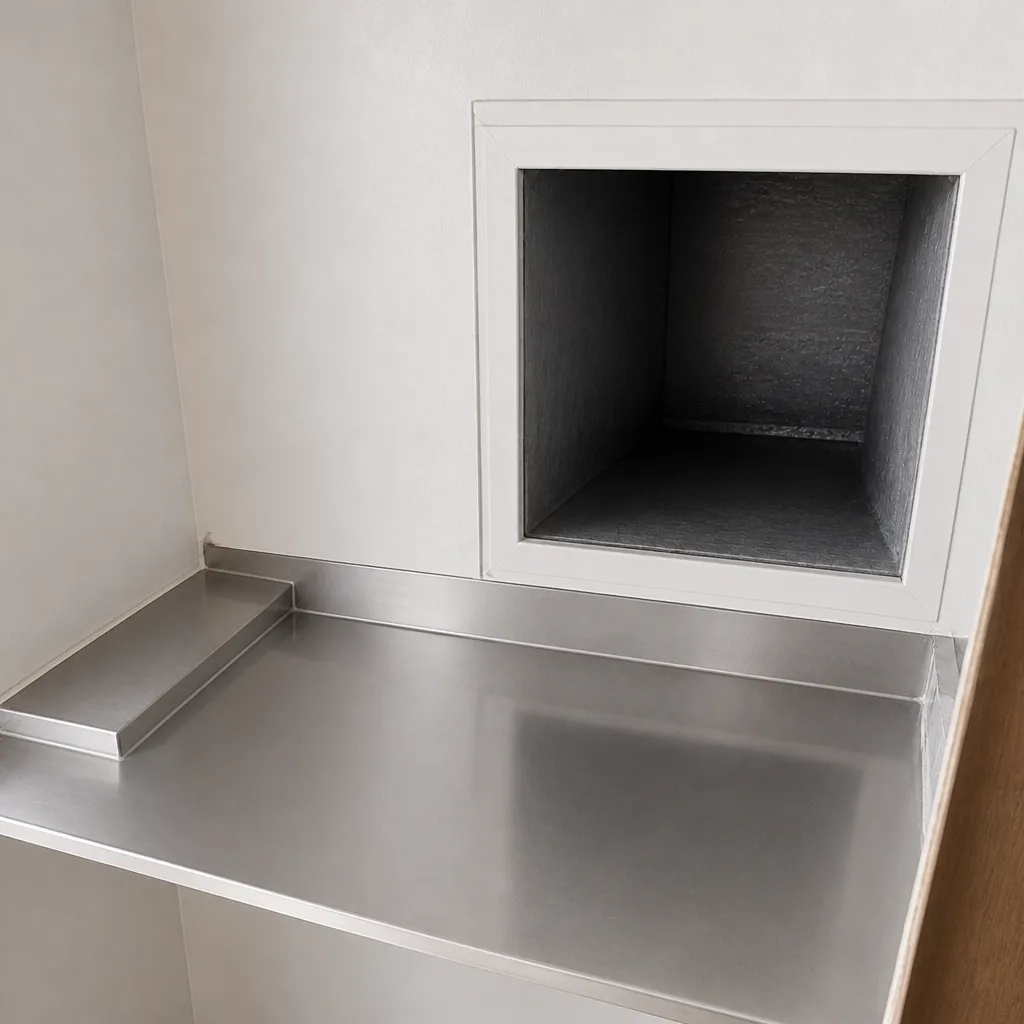
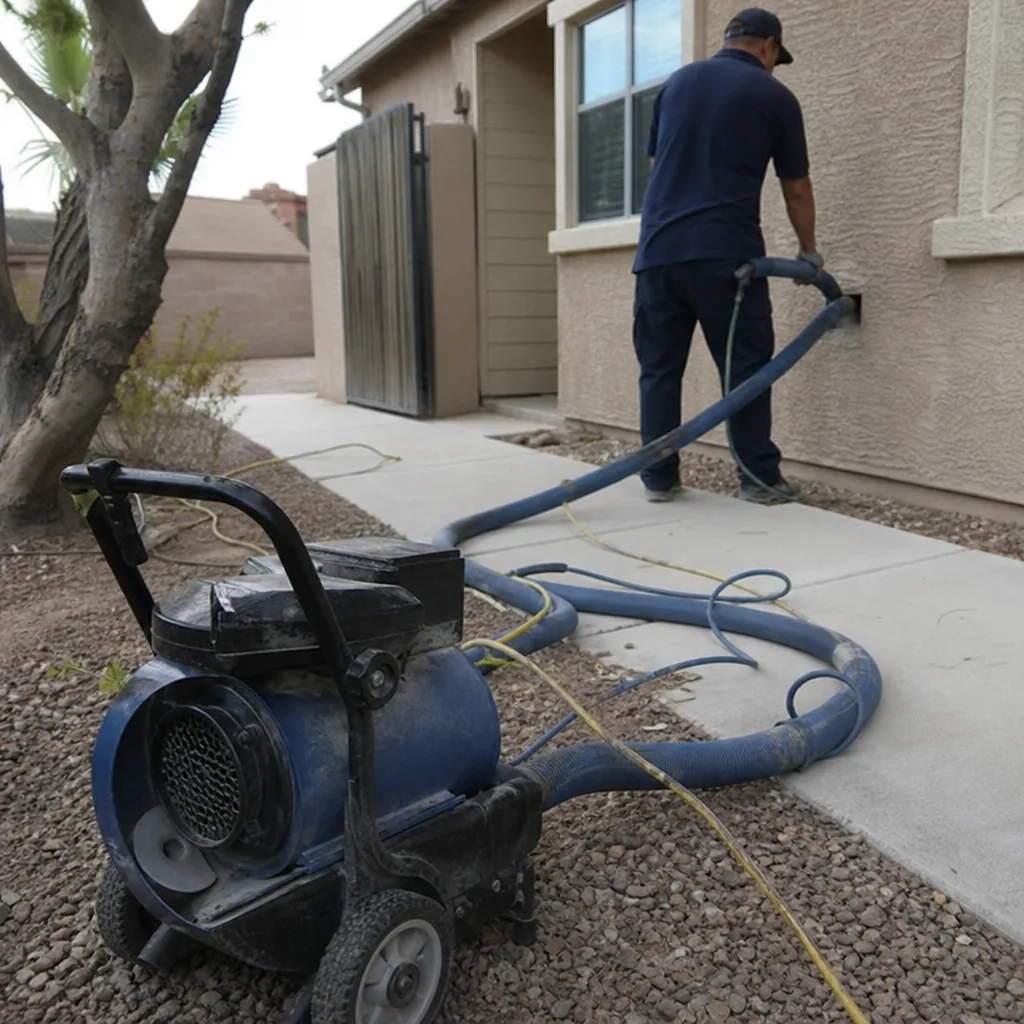
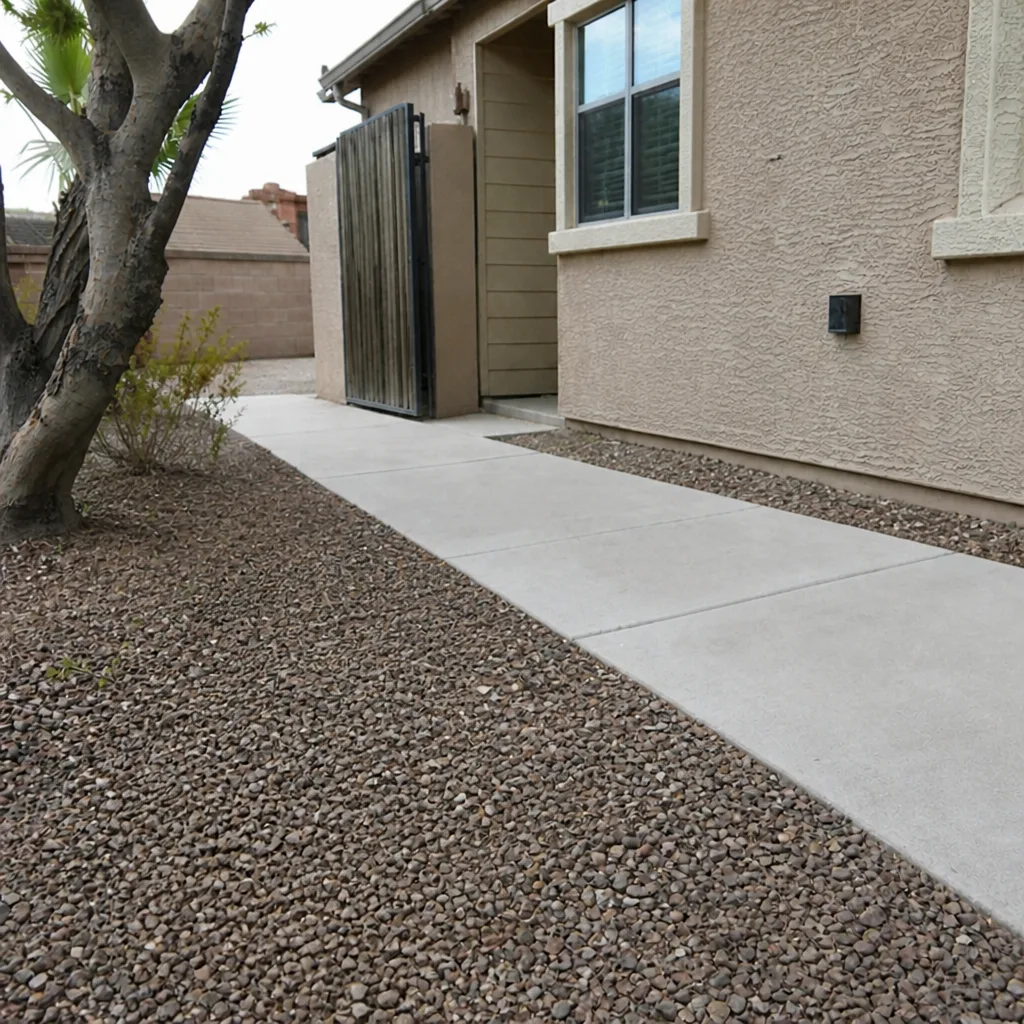
- Skipping the before-and-after photos. Photos of your own ducts are the one verifiable proof the work was done. If a company doesn’t offer them, that’s a tell.
- Ignoring attic access complexity when comparing bids. A Peoria attic in July is a different job than a basement under the same square footage. A quote that ignores this is a quote that will overrun or underdeliver.
- Buying a sanitizer before the ducts are clean. Clean first, verify with photos, then decide about air quality products if at all.
- Letting a torn flex line go unrepaired for another season. Small disconnects leak conditioned air and pull unfiltered attic dust into the system. Duct repair at the same visit is the cheaper path.
See the difference
 Before
 After
 Before
 After
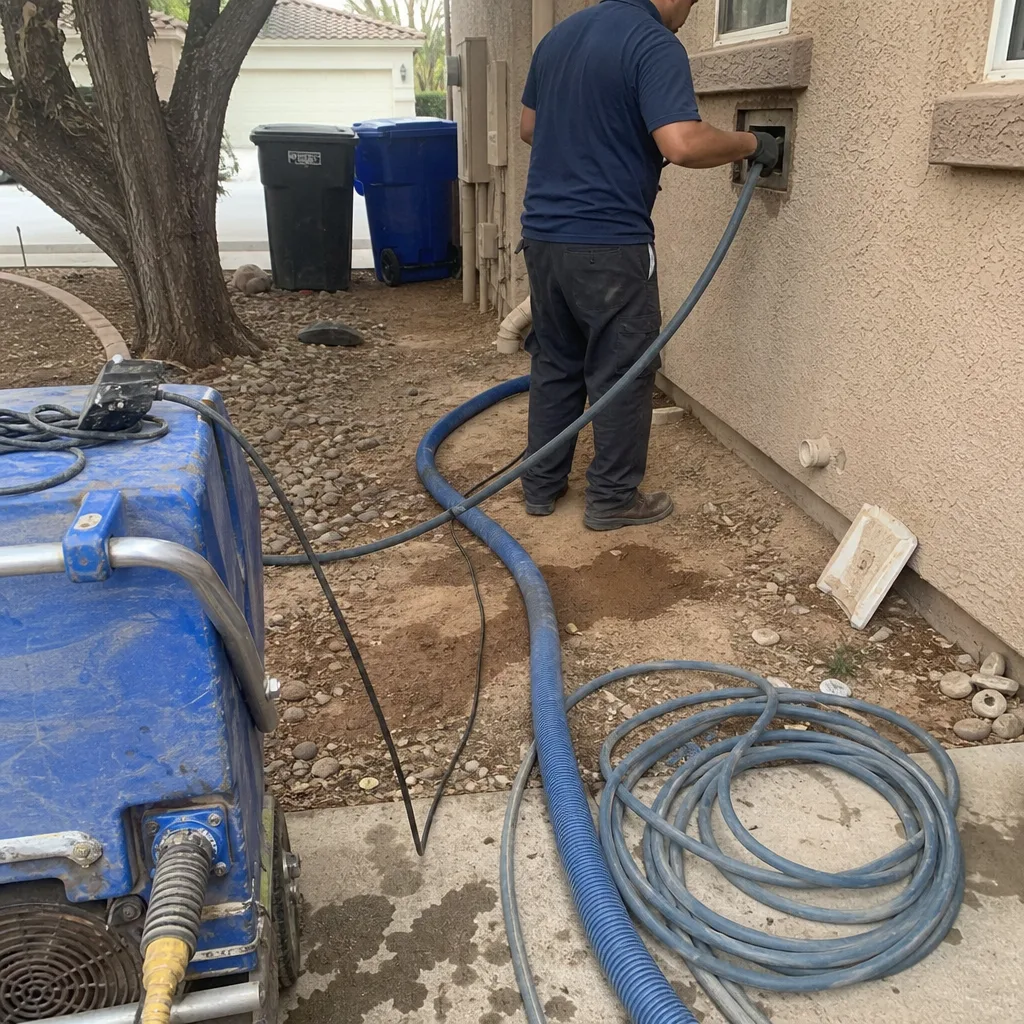 Before
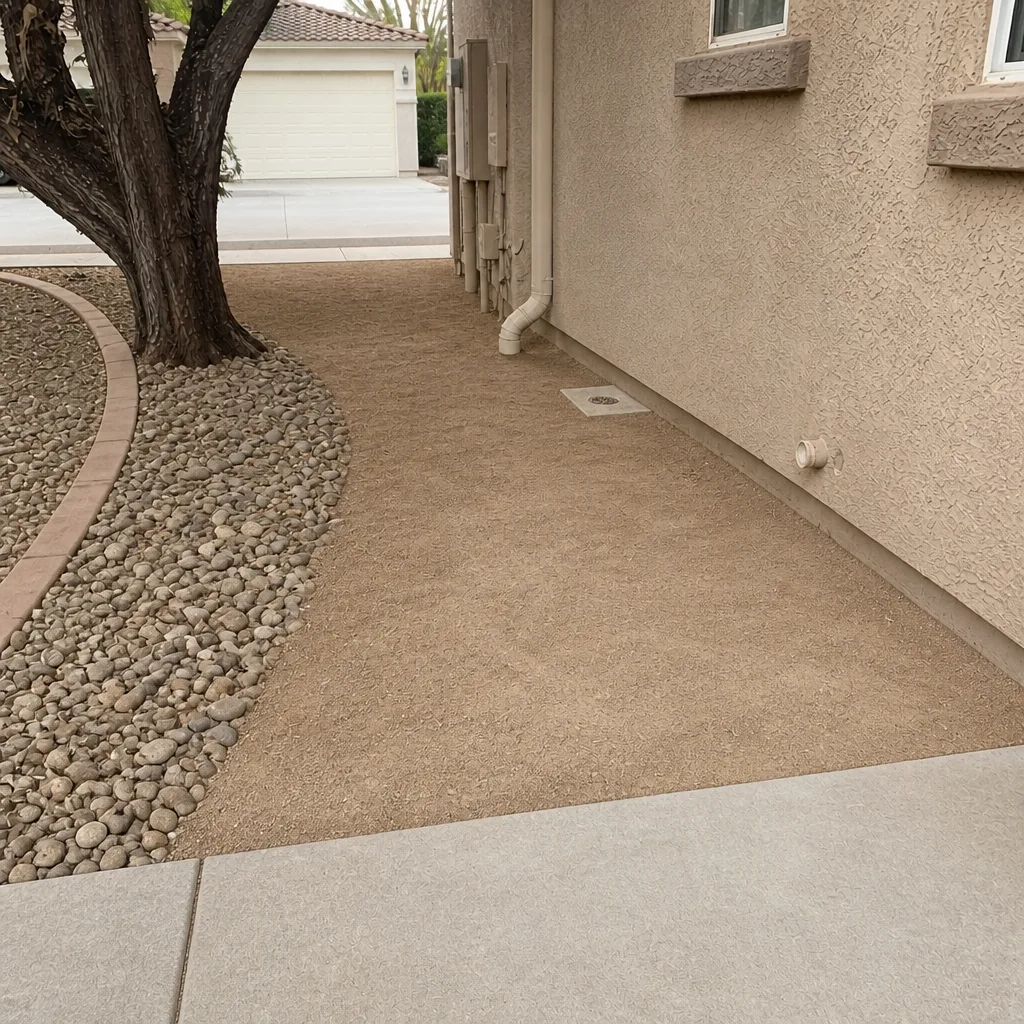 After
When to Call a Professional
Not every home needs a cleaning every year. But some situations call for a specialist rather than a shop vac pass. If you’ve just finished a remodel and the system has been pulling drywall dust, if there’s a persistent musty smell from a register, if you see visible debris inside the grilles, if pest activity has been found in the attic, or if a family member’s allergies have worsened indoors, those are the triggers. If any register has noticeably weaker airflow than the others, that suggests a disconnected or crushed branch that a specialist should inspect. Duct Cleaning Peoria offers free estimates in Peoria – call (844) 834-5310. We answer 24/7. Fast dispatch from 7am to 7pm, Sunday through Friday. The estimate is free, and the written number is the price.
Frequently Asked Questions
Most Peoria homes fall in the $350 to $650 range for a single-story system and $500 to $900 for a two-story home with attic runs, depending on register count, duct material and access. The written estimate, not the teaser quote, sets the final price. Call (844) 834-5310 for an exact quote – estimates are free.
Cheap quotes usually cover a shorter process: fewer registers, the trunk only, or consumer-grade vacuums instead of a commercial rotary system. The difference isn’t the profit margin, it’s the labor and equipment behind the number. If a bid is dramatically below the local range, ask what’s not included. Call (844) 834-5310 to hear how we scope a whole-system job.
Ask for before-and-after photos of your own ducts, not stock images. A technician who pulled and cleaned each register and ran a rotary brush through every branch line can show you exactly what came out. We provide photos as a standard part of every job. Call (844) 834-5310 if you want the specifics on how we document it.
Most homes in Peoria do fine with a cleaning every three to five years, unless there’s a trigger event like a renovation, pest issue, or heavy contamination. Trigger events reset the timer. If you’re unsure whether your system needs it, a free inspection answers the question. Call (844) 834-5310 – estimates are free.
Attic duct runs here pass through spaces that get seriously hot in summer, and that heat affects how long a crew can work in the attic. It’s a legitimate cost factor, not padding. A quote that ignores attic access complexity isn’t comparing apples to apples. Call (844) 834-5310 for a quote that accounts for your specific system and layout.
Yes, if the vent hasn’t been cleared in a couple of years. Dryer vents are a separate system with a real fire-risk profile when lint builds up, and bundling the two into one visit saves setup time. Our dryer vent cleaning is available as a standalone or alongside duct work. Call (844) 834-5310 to schedule both.
The Bottom Line
Duct cleaning pricing in Peoria runs roughly $350 to $900 for a residential whole-system job, and the variance isn’t greed. It’s how many registers get pulled, whether every branch line gets cleaned, what equipment is on site, and how much attic access the house requires. Legitimate add-ons like dryer vent cleaning and duct repair pay off. Free-floating sanitizer offers usually don’t. The way to protect yourself is to compare bids with seven standard questions, demand one flat price per system, and ask for before-and-after photos of your own ducts. The written estimate is the number that counts.
Ready for a Straight, Whole-System Quote?
We bring Rotobrush and Nikro cleaning systems, Abatement Technologies equipment for heavier jobs, and Honeywell and Aprilaire indoor air quality products when the ducts are clean and you want to go further. We clean it, we fix it, we improve it. Our technicians have up to experience, all of it focused on duct and vent work. Call (844) 834-5310 for a free estimate. We answer 24/7. Fast dispatch from 7am to 7pm, Sunday through Friday. Insured and bonded, one flat price per system agreed before work starts, with before-and-after photos of your own ducts.
Written by the team at Duct Cleaning Peoria.