
Last updated November 15, 2026
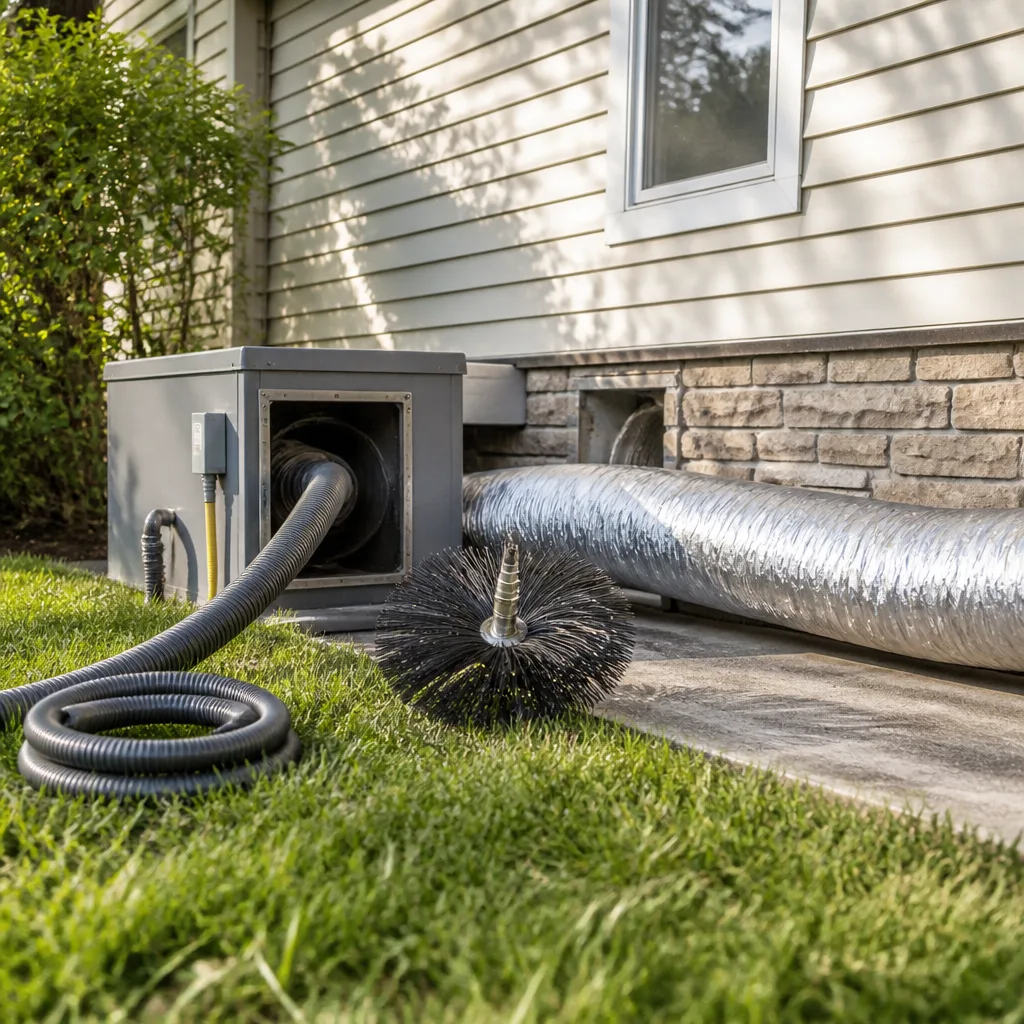 Whole-home duct cleaning
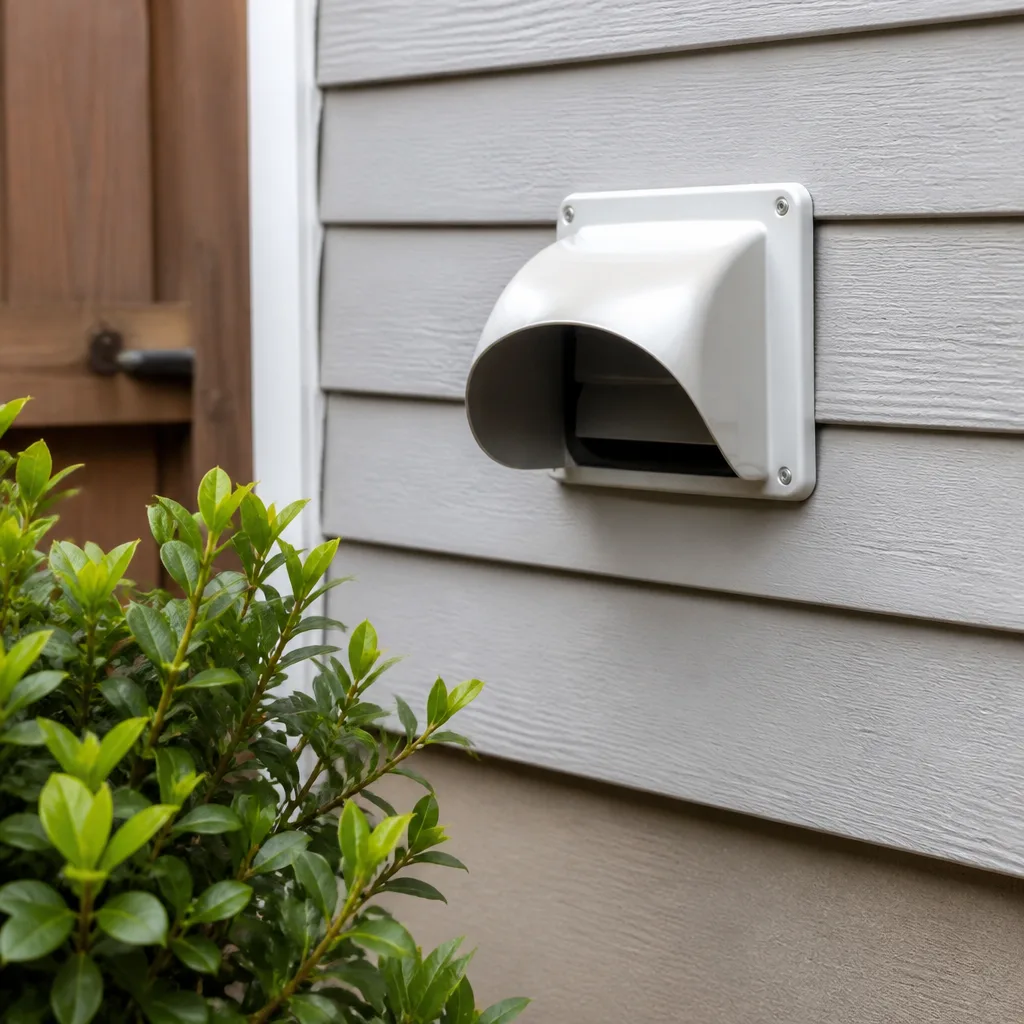 Dryer vent cleaning
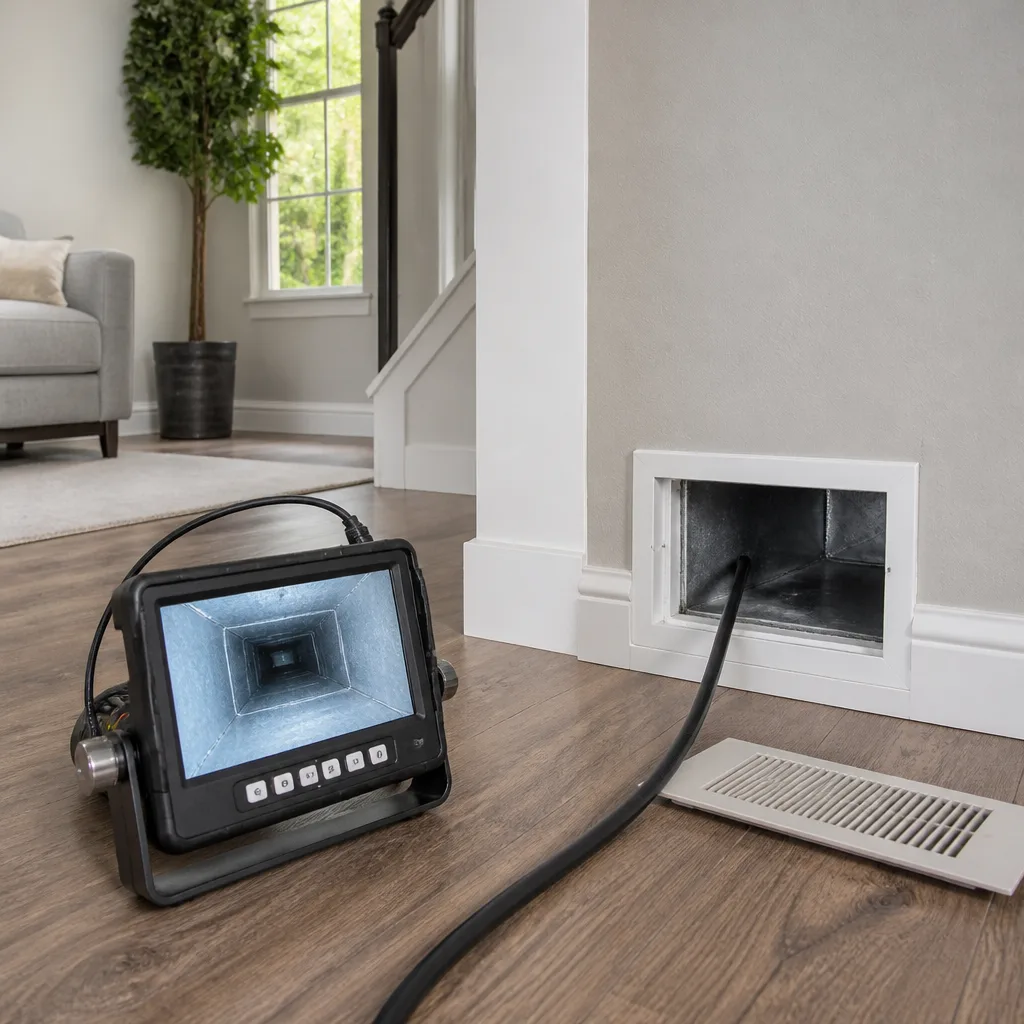 Camera inspection
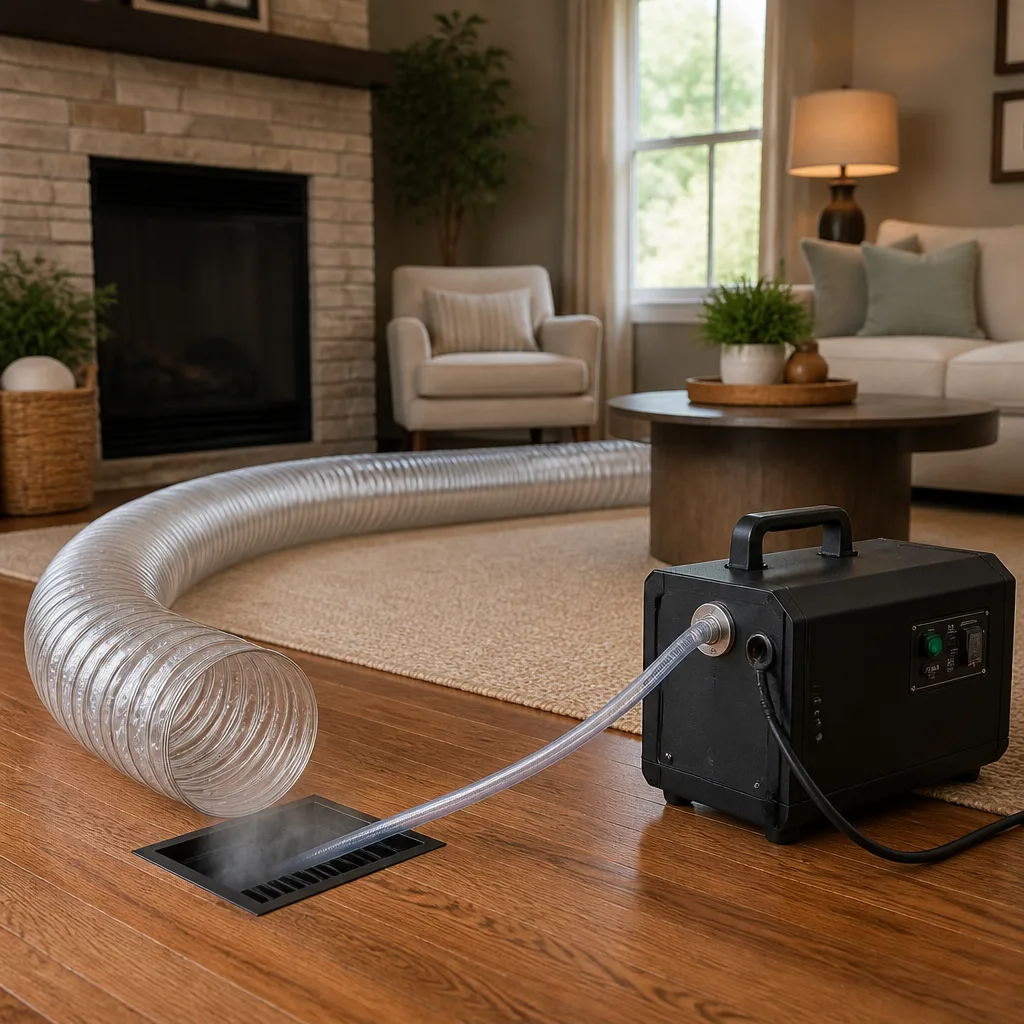 Sanitizing & deodorizing
Whole-system duct and dryer vent check with before-and-after photos - you see exactly what came out of your vents
That "$99 whole-house special" is a bait ad - the real number appears once they are in your hallway, or the "clean" is a shop-vac at the register. We photograph the inside of your ducts before and after instead.
The Complete Guide to Air Duct Cleaning in Peoria
Most duct cleaning advice you’ll find online was written for a house in Ohio. The EPA guidance people quote was last substantially updated before Peoria’s population doubled, and it was never written with Sonoran Desert dust loads in mind. That matters here more than anywhere. Caliche dust, monsoon humidity, and a cooling season that runs from March into November create contamination patterns that national guides simply don’t address. In this guide we’ll explain how desert particulate behaves inside ductwork, how to tell source removal from a blow-and-go, what monsoon season does to duct liner, and why new-build homes in Peoria need a closer look than the builder’s walkthrough suggests.
Quick Answer
Air duct cleaning in Peoria is typically needed every two to four years rather than the national three-to-five year average, because caliche dust and a nine-month cooling season load ductwork faster than most of the country. The job should be source removal, meaning the debris is physically extracted, not just stirred up with a blower. Expect a whole-system estimate rather than per-vent pricing, with the final figure set by a written quote before work starts.
Styles & brands we work with
- Whole-home duct cleaning
- Dryer vent cleaning
- Camera inspection
- Sanitizing & deodorizing
Table of Contents
- Why Desert Dust Isn’t the Same as Household Dust
- The Nine-Month Cooling Season and What It Does to Your Ducts
- Source Removal vs. Blow-and-Go: How to Tell the Difference
- What Monsoon Season Does to Duct Liner
- New Construction in West Peoria: Dust the Builder Left Behind
- The Equipment Question: What a Real Specialist Brings
- Duct Repair and Air Quality: The Next Two Steps
- What Air Duct Cleaning Costs in Peoria
Why Desert Dust Isn’t the Same as Household Dust
The dust that builds up in Peoria ductwork has a different composition from the dust a homeowner in a humid climate deals with, and that difference changes how it behaves once it’s inside a duct system. The dominant particulate here is caliche and fine mineral dust, the pale, powdery material that coats everything from patio furniture to window screens. It’s abrasive. It’s alkaline. And it’s very fine, which means it travels differently than the lint, pet hair, and pollen that make up most of the debris load in wetter parts of the country.
Fine mineral particulate doesn’t clump the way organic material does. It settles in a loose layer along the bottom and sides of the duct run, and it re-suspends easily whenever the blower kicks on. That means a light surface cleaning that might work fine in a humid climate often won’t hold in Peoria: the layer comes back fast because so much of it is still sitting in the seams and the flex duct corrugations where a shop vac can’t reach.
There’s a second factor. Mineral dust is abrasive, and over years it wears at the internal lining of flex duct and the seams of rigid duct. The wear is slow and invisible from the register, but it’s real, and it’s one reason a duct inspection should always include a look at the liner and the joints, not just the interior of the straight runs.
The practical takeaway:
- Peoria duct debris is fine, dry, and abrasive, not clumped and organic.
- It re-suspends easily when the system cycles, so partial cleaning looks clean briefly and then doesn’t.
- It settles deeper into seams and flex corrugations than typical household dust.
- Cleaning frequency should be based on local conditions, not a national average.
If you’ve noticed a fine gray film on your registers within a few weeks of a cleaning, that’s the clue that the first pass didn’t get to the source. A proper air duct cleaning addresses the whole system, including the plenum and the trunk lines, not just the visible runs behind the supply registers.
The Nine-Month Cooling Season and What It Does to Your Ducts
Peoria runs its air conditioning from March into November. That’s roughly nine months of blower time, versus the four to five months a homeowner in a colder climate sees. Every hour of blower operation moves air across the duct surfaces and adds to the settled layer. Multiply that by a nine-month season and you get debris accumulation that outpaces the national three-to-five-year rule by a wide margin.
We think of it this way: a duct system in Peoria sees roughly the same annual air movement as a duct system in a cooler climate sees in about two years. That’s why the standard advice doesn’t hold here. For most Peoria homes, a two-to-four-year cleaning interval is closer to right than the three-to-five-year figure you’ll find in most guides. Homes with pets, homes near open desert or active construction, and homes with anyone in the family who’s sensitive to dust often sit at the shorter end of that window.
The cooling season also runs a lot of return air through the system. Return ducts pull from every room and carry whatever’s airborne in those rooms back to the air handler. In Peoria, that airborne load includes mineral dust from open windows on mild days, dust tracked in from the yard, and whatever’s kicked up by nearby construction. The return side is where most of the debris settles.
Practical signs your system is due:
- Visible dust on the supply registers that reappears within a few weeks of wiping them down.
- A musty or dusty smell when the AC first kicks on in the morning.
- Increased dust on furniture and surfaces after the system has been running.
- Higher filter loading, especially if you’re changing filters more often than you used to.
- A recent renovation, pest issue, or move-in, which are the trigger events that most often push a home over the edge.
Peoria’s climate makes the case more clearly than most places. Long cooling seasons and fine dust are a hard combination for any duct system, and the maintenance interval should reflect that.
Source Removal vs. Blow-and-Go: How to Tell the Difference
Source removal is the method the National Air Duct Cleaners Association (NADCA) standard describes, and it means the debris is physically dislodged and captured, then extracted from the system with negative pressure holding it in the collection equipment. Blow-and-go is a different thing: the contractor runs a blower through the ducts, stirs up the debris, and lets it settle back into the house through the registers. It takes far less time. It’s far cheaper. And it doesn’t clean anything.
The problem is that both are sold as “duct cleaning,” and from the customer’s side the two jobs can look similar in the first few minutes. Here’s how to tell them apart before you book.
- Ask what machine they’ll use. A real specialist will name it. Rotobrush and Nikro are the two systems used by dedicated duct cleaners and remediation contractors. “We use a special vacuum” isn’t an answer.
- Ask about negative pressure. Source removal requires a collection unit pulling vacuum on the system while the ducts are agitated. Without it, the debris has nowhere to go but into your rooms.
- Ask whether they’ll show you before-and-after photos. A contractor doing source removal can show you what came out of your ducts. A blow-and-go has nothing to photograph.
- Ask what happens at the air handler and plenum. The two places most contamination sits are the return plenum and the air handler cabinet. A quote that only covers “the vents” isn’t covering the system.
- Ask about the price structure. Per-vent pricing is the classic bait-and-switch model: a low headline number that balloons once the tech is on site. A flat price per system, agreed in writing before work begins, is the honest structure.
We’ve seen enough Peoria homes with a fresh-looking register and a full return plenum to know the difference matters. Source removal takes longer and costs more than a blow-and-go. It’s also the only version of the job that produces a clean system rather than a rearranged one.
What Monsoon Season Does to Duct Liner
Peoria’s monsoon season, roughly June through September, brings humidity spikes that the rest of the year doesn’t. That humidity has a specific effect on ductwork: it raises the moisture level in the internal liner of flex duct and in the fibrous insulation inside rigid duct. Once the liner is holding moisture, it becomes a much better host for biological growth than it is in the dry season, and that growth is one of the few duct problems that actually gets worse without attention.
The tricky part is that you usually can’t see it from the register. The interior liner of flex duct is out of sight, and the visible portion near a supply boot doesn’t show what’s happening 20 feet down the run. That’s why we recommend an inspection before the cooling season starts, not during it. A camera inspection of the duct interior tells you whether the liner is dry and intact or whether it’s holding moisture and needs attention.
What a pre-season inspection should cover:
- Liner condition in the flex runs, looking for moisture, peeling, or visible growth.
- Seam integrity in the rigid trunk lines, since gaps pull unconditioned attic air into the system.
- The air handler cabinet, where condensate and moisture issues often start.
- The return plenum, which is the most common low point for debris and moisture accumulation.
If an inspection turns up contamination, that’s when equipment matters. Heavy contamination or suspected biological growth is a level of job that most residential cleaners decline because their equipment can’t handle it safely. We bring Abatement Technologies equipment for exactly those situations: the contamination-level jobs, the post-renovation jobs, and the systems that need a real remediation pass before a normal cleaning can even begin.
New Construction in West Peoria: Dust the Builder Left Behind
New homes in the West Peoria subdivisions look clean on the walkthrough. They usually aren’t, and the ductwork is the reason. Construction involves drywall dust, sawdust, framing debris, and fine mineral dust from grading and landscaping, and a substantial amount of that material ends up inside the ductwork before the registers are even installed. The standard builder handoff doesn’t include duct cleaning, so the first homeowner moves in with a system that’s already loaded.
The problem is more than cosmetic. Construction dust is the heaviest debris a residential duct system will ever see in one shot, and running it through the air handler for a few months before addressing it can shorten the life of the blower and clog the evaporator coil. New-construction cleaning is a specific job with specific equipment requirements: it’s not a light dusting, because the debris load is closer to post-renovation than to a normal seasonal clean.
If you’ve recently closed on a new build in Peoria, the checklist is straightforward:
- Get the ductwork inspected before you move furniture in. It’s easier to clean an empty house than a furnished one.
- Ask what came out. A real cleaning produces visible debris, and a contractor using source removal can show you the collection.
- Check the air handler cabinet for drywall dust and debris, since that’s where the heaviest material settles.
- Replace the filter after the cleaning, not before.
- Book a follow-up inspection for the end of the first cooling season, since construction dust often keeps settling for a year.
The same advice applies to major renovations in older Peoria homes. Any time drywall goes up or comes down, the duct system picks up material that the final cleaning pass doesn’t reach. A post-renovation duct cleaning is a specific service, and it’s worth asking for it by name rather than assuming a general cleaning will cover it.
The Equipment Question: What a Real Specialist Brings
Duct cleaning is an equipment business before it’s anything else. The difference between a source-removal clean and a cosmetic one comes down to the machine on hand and the person running it. That’s why we name our equipment instead of describing it in general terms.
We operate professional-grade Rotobrush and Nikro duct cleaning systems, the same equipment used by remediation contractors and commercial facilities. Rotobrush uses a rotary brush and vacuum combo that agitates the duct interior while pulling debris into the collection unit, which is the right tool for the typical residential run. Nikro handles the higher-volume side, the larger diameter runs and the heavier debris loads. Together they cover the range from a routine house cleaning to a system with years of accumulated caliche dust.
For jobs that go beyond routine, we bring Abatement Technologies equipment. This is the setup for contaminated, heavily soiled, or post-construction systems: the jobs that need real containment and real filtration rather than a standard collection bag. Most residential cleaners turn these jobs away, because the equipment isn’t there and the job is a different scale. Having the right tool for that tier is a big part of what separates a specialist from a generalist with a vacuum.
On the air quality side, we work with Honeywell and Aprilaire products. That matters after the cleaning, not during it: once the system is clean, filtration and humidity control are what keep it that way. A duct cleaning that isn’t followed by a look at the filtration setup is only solving half the problem, and in Peoria’s dust environment, filtration is doing real work.
The point isn’t that any one brand makes the job. It’s that a specialist names the equipment and a generalist describes it vaguely. When you’re comparing quotes, that’s the dividing line.
Duct Repair and Air Quality: The Next Two Steps
Cleaning is the first of three services, and for a lot of Peoria homes it’s not the only one needed. Duct inspection regularly turns up damaged runs: crushed flex duct under a floor, disconnected joints behind a wall, seams that have pulled apart, or liner that’s torn and no longer sealed. When that happens, cleaning the system without repairing it is a wasted job, because a leaking duct pulls attic air into the house and undoes the cleaning within a season.
This is why we offer air duct repair as a standalone service rather than sending customers off to find a second contractor. A repair during the cleaning visit is cheaper and faster than booking a separate trade, and it means the system you paid to clean is actually sealed when we’re done.
The repair step usually involves:
- Reconnecting or replacing damaged flex runs, especially the crushed sections common under floors.
- Sealing seams and joints in the rigid trunk lines with proper duct mastic, not tape.
- Replacing torn or moisture-damaged liner in runs where the liner has failed.
- Checking the air handler cabinet for gaps that pull attic air into the supply side.
After cleaning and repair, the third step is air quality. Once the system is clean and sealed, filtration and humidity control are what keep the dust load down. This is where the Honeywell and Aprilaire product lines come in: a properly sized filtration setup handles the fine mineral dust that Peoria homes see, and humidity control addresses the seasonal spikes. It’s the difference between a cleaning that lasts two years and one that lasts four.
The three-step sequence is cleaning, repair, and air quality improvement, and each one builds on the last. Most duct cleaners stop at step one. Most repair contractors never do step one at all. Handling all three together is the point of working with a specialist.
What Air Duct Cleaning Costs in Peoria
Air duct cleaning for a typical Peoria home is priced per system, not per vent, and the written estimate sets the final figure before any work starts. A general range for a whole-system cleaning is in the low-to-mid hundreds for a standard single-story home, higher for larger homes and for jobs that turn up contamination, damaged ductwork, or a return plenum that’s been loaded for years. Repair work, when needed, is quoted separately once the inspection shows what’s actually there.
The reason we price per system rather than per vent is simple. Per-vent pricing rewards a contractor for finding more vents to charge for, and it’s the model behind the bait-and-switch quotes that give this industry its reputation. A flat price per system, agreed in writing before work begins, means the number you’re quoted is the number you pay, and if the job turns out to be bigger than expected, it’s on us to have caught that in the estimate.
What drives cost up or down:
- System size: number of returns and supply runs, trunk line length, and number of zones.
- Debris load: a routine cleaning versus a post-renovation or contaminated system.
- Access: attic runs and second-story systems take longer.
- Repair needs: disconnected or crushed runs add time and materials.
- Exclusions: any quote that excludes the plenum, air handler, or return side isn’t pricing the full job.
Every job comes with before-and-after photos of your actual ducts, taken by our technicians on site. That’s the simplest way to answer the question “did the work actually get done,” and it’s the standard we hold every job to. Our technicians have up to experience, and we stick to a Guardsman-grade standard on every system we clean.
Common Mistakes to Avoid
- Booking the cheapest quote without asking what’s included. The lowest number usually covers a blow-and-go, not source removal, and you’ll pay twice when the system needs a real cleaning a season later.
- Trusting a per-vent price. Per-vent pricing is the bait-and-switch model. A flat price per system, given in writing, is the structure that actually protects you.
- Cleaning without inspecting the liner. Monsoon moisture can leave the liner holding damp, and cleaning without checking for it just redistributes the problem.
- Skipping the duct cleaning after a renovation. Drywall dust from a Peoria remodel settles into the system and stays there for years if it’s not removed at the source.
- Assuming the builder cleaned the ducts. West Peoria new builds routinely hand off with construction dust in the system. Ask, and then verify.
- Cleaning without checking for damage. A cleaning on a system with disconnected or crushed runs is wasted money. Repair and cleaning belong in the same visit.
- Following the national three-to-five-year rule in Peoria. A nine-month cooling season and fine caliche dust mean two to four years is closer to right for most homes here.
See the difference
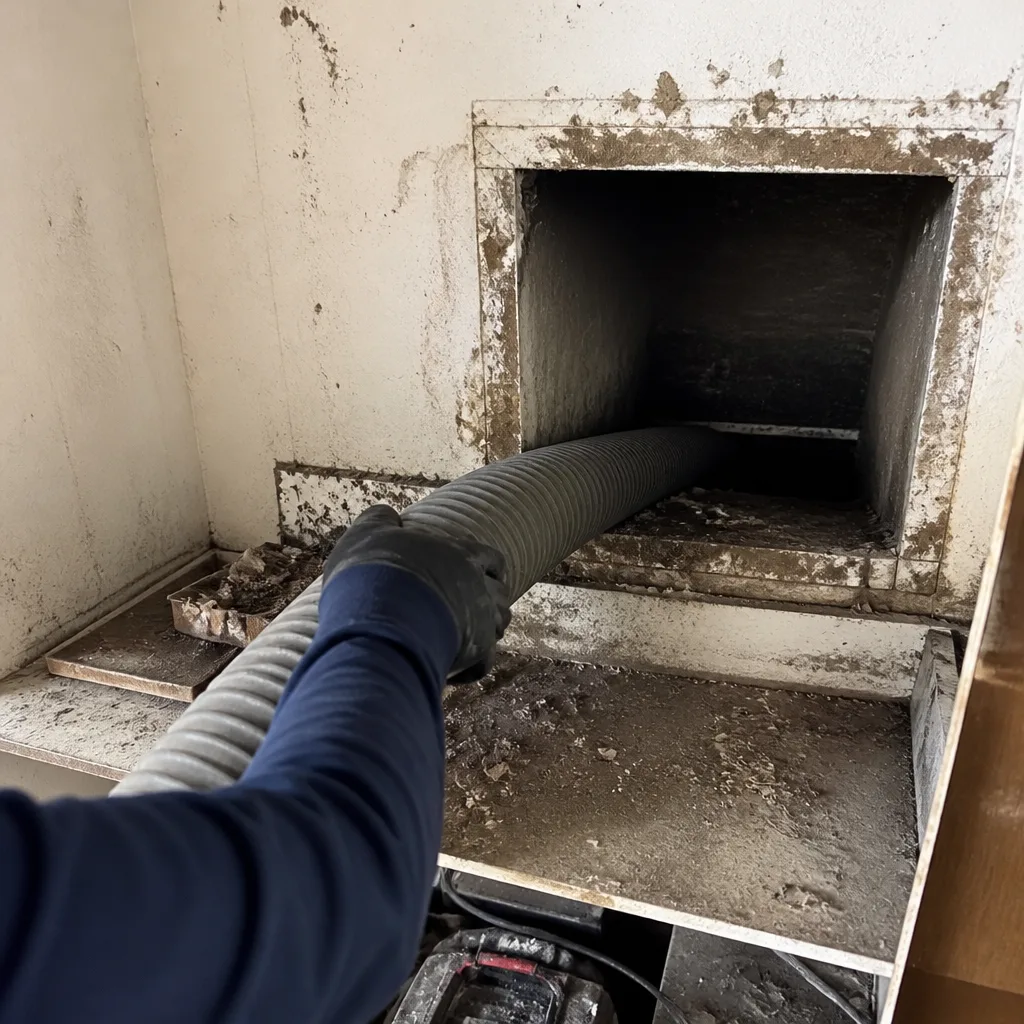 Before
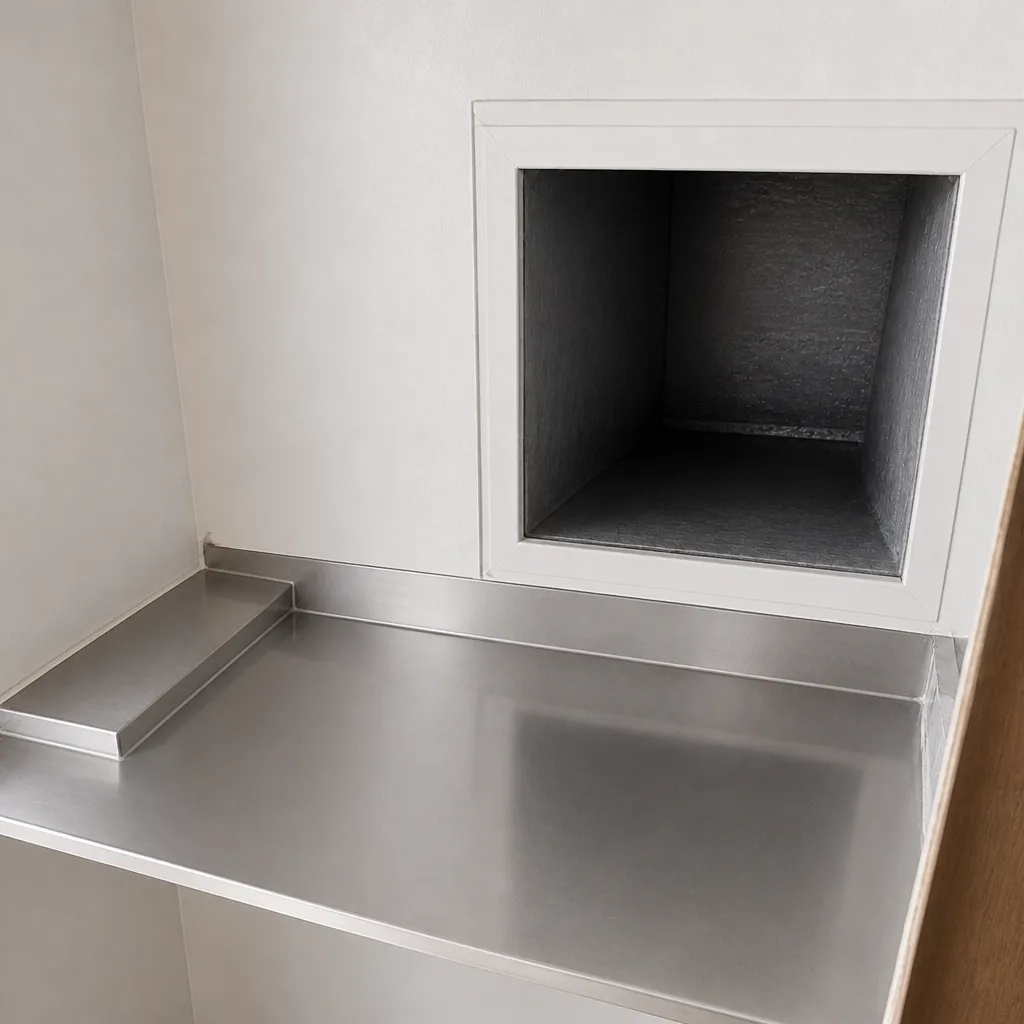 After
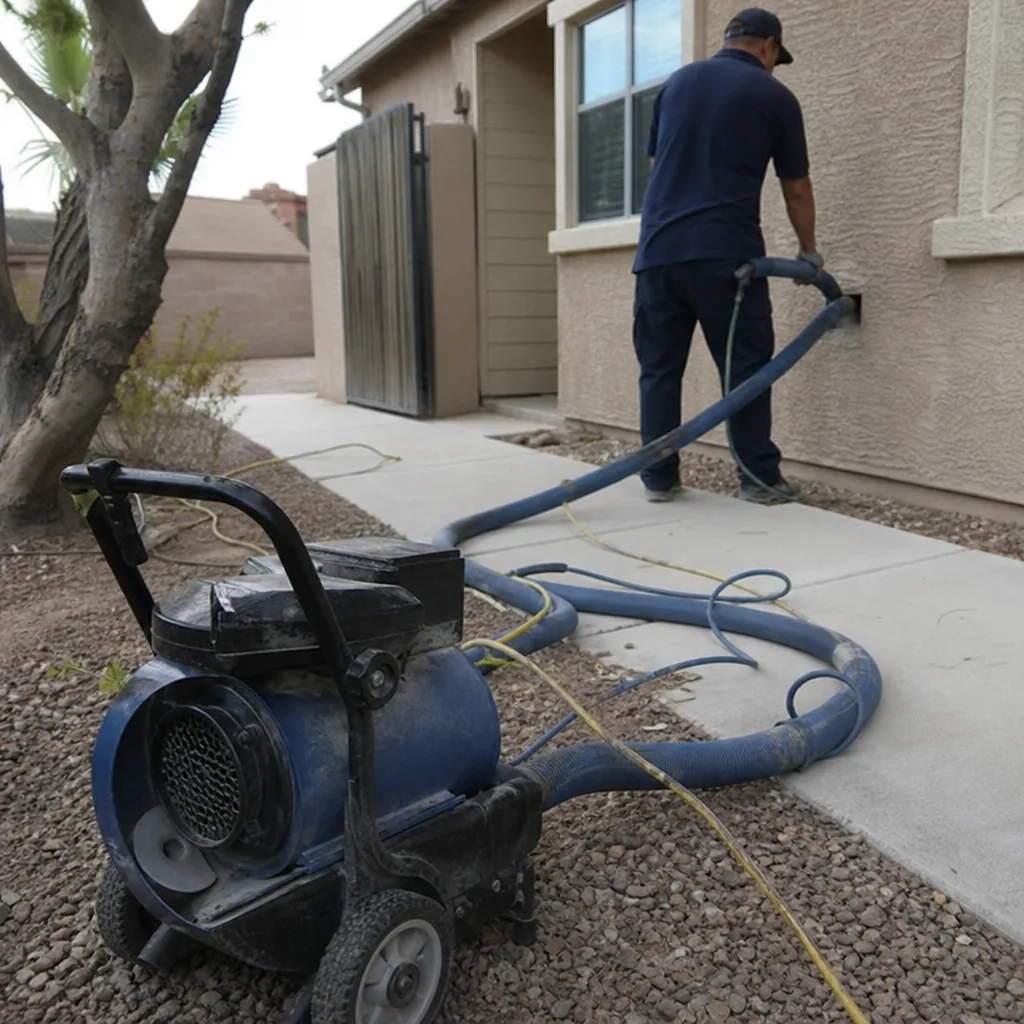 Before
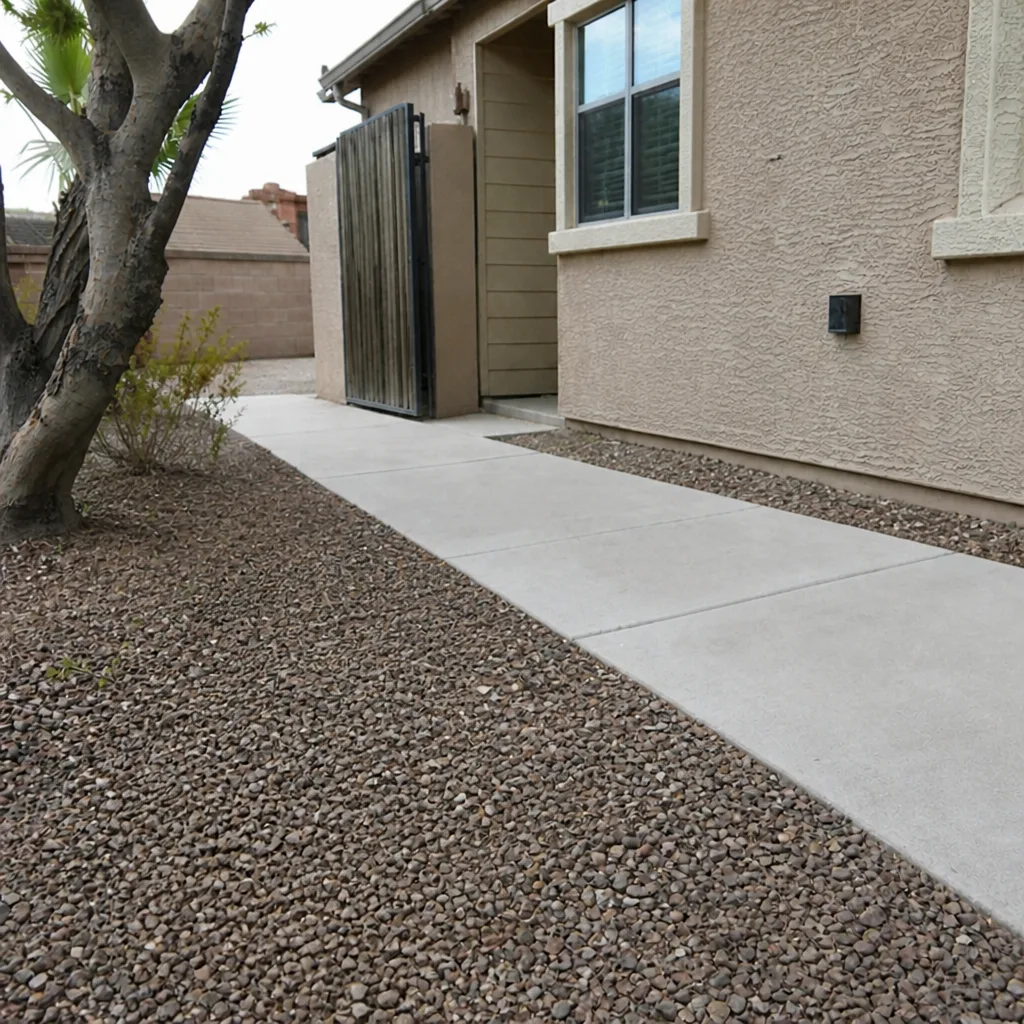 After
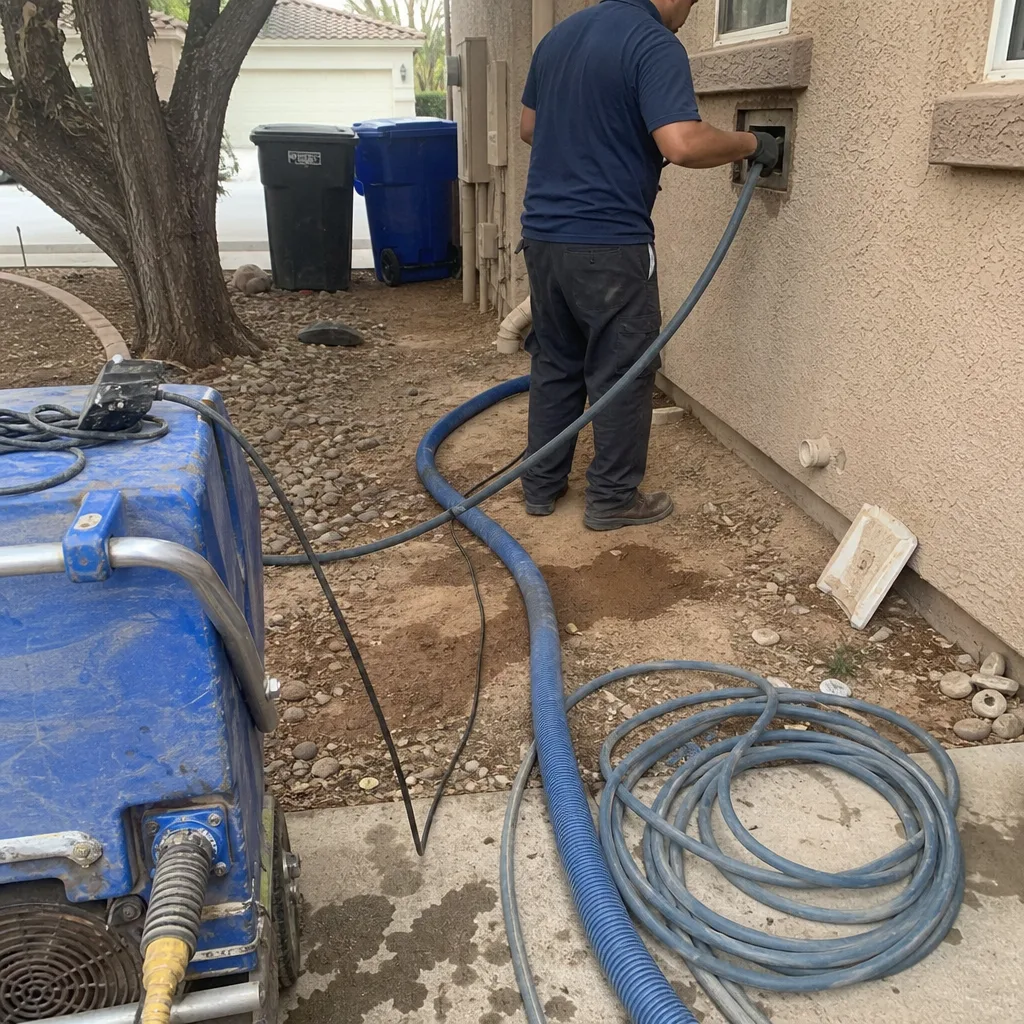 Before
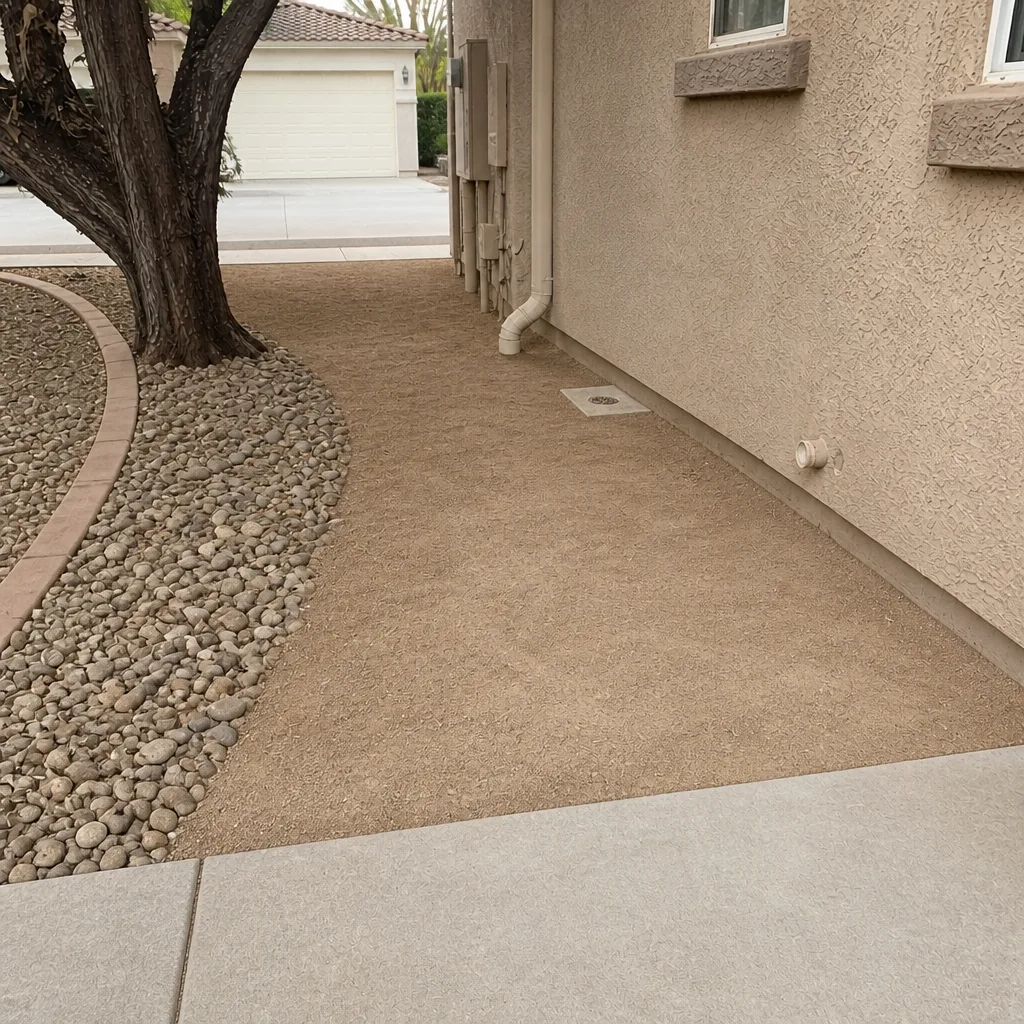 After
When to Call a Professional
Some duct problems are obvious enough that a professional call is clearly the right move. If you’ve just finished a renovation, moved into a new build in Peoria, dealt with a pest issue, or noticed a musty smell when the AC kicks on, those are the trigger events that point straight to an inspection. If a family member has dust or allergy sensitivity and the symptoms seem tied to time spent indoors, the duct system is worth checking. If you see visible dust returning to the registers within weeks, or if a previous cleaning was done by a company that didn’t show you what they removed, a real source-removal clean is the fix. And if an inspection reveals crushed flex, disconnected runs, or damaged liner, repair should happen in the same visit. Duct Cleaning Peoria offers free estimates in Peoria. Call (844) 834-5310. We answer 24/7. Fast dispatch from 7am to 7pm, Sunday through Friday.
Frequently Asked Questions
Every two to four years is a reasonable interval for most Peoria homes, shorter than the national three-to-five-year figure because of the nine-month cooling season and the fine caliche dust load. Homes with pets, homes near open desert or active construction, and homes with anyone sensitive to dust sit at the shorter end of that window. A pre-season inspection is the simplest way to know whether your system is due.
Expect a whole-system price in the low-to-mid hundreds for a standard home, with larger systems and contamination-level jobs running higher, and the written estimate setting the final number before any work starts. Per-vent pricing is the model to avoid. Call (844) 834-5310 for a free estimate.
Cheap quotes are usually blow-and-go jobs: a blower stirs the debris and lets it settle back through the registers, with no negative pressure and no source removal. A real cleaning uses Rotobrush or Nikro equipment with collection, takes longer, and costs more. The low number isn’t a discount. It’s a different job. Call (844) 834-5310 for a written quote that covers the full system.
Before-and-after photos of your own ducts, taken on site, are the simplest proof. A contractor doing source removal has visible debris to show you; a blow-and-go has nothing. Ask for the photos before the crew leaves. Call (844) 834-5310 to book a job that includes them.
Yes. Builder handoffs don’t typically include duct cleaning, so construction dust, drywall particulate, and framing debris stay inside the system from move-in. A new-build cleaning is a heavier job than a routine seasonal clean, and it’s worth doing before the furniture goes in. Call (844) 834-5310 to schedule an inspection.
Yes. Air duct repair is a standalone service we offer, and when an inspection turns up crushed flex runs, disconnected joints, or torn liner, we handle the repair in the same visit as the cleaning. Cleaning a system with damaged runs is wasted money, since a leak pulls attic air back into the ducts. Call (844) 834-5310 to talk through the repair scope.
The Bottom Line
Peoria isn’t a standard duct-cleaning market. The caliche dust, the long cooling season, the monsoon humidity, and the volume of new construction in West Peoria all push duct systems harder than the national advice accounts for. A two-to-four-year interval is closer to right here than three to five, and the cleaning has to be source removal with real equipment, not a blower and a promise. Ask what machine they’ll use. Ask for a flat price per system in writing. Ask for before-and-after photos. And if you want a specialist who handles cleaning, repair, and air quality in a single visit, we’re set up for exactly that in Peoria.
If your home also has a dryer vent that hasn’t been checked recently, that’s the other side of the same maintenance picture, and it’s worth booking alongside the duct work. Learn more about our dryer vent cleaning service. For everything else, start with our main Duct Cleaning Peoria page.
Call (844) 834-5310 for a free estimate. We answer 24/7. Fast dispatch from 7am to 7pm, Sunday through Friday.
Written by the team at Duct Cleaning Peoria.