
Last updated November 15, 2026
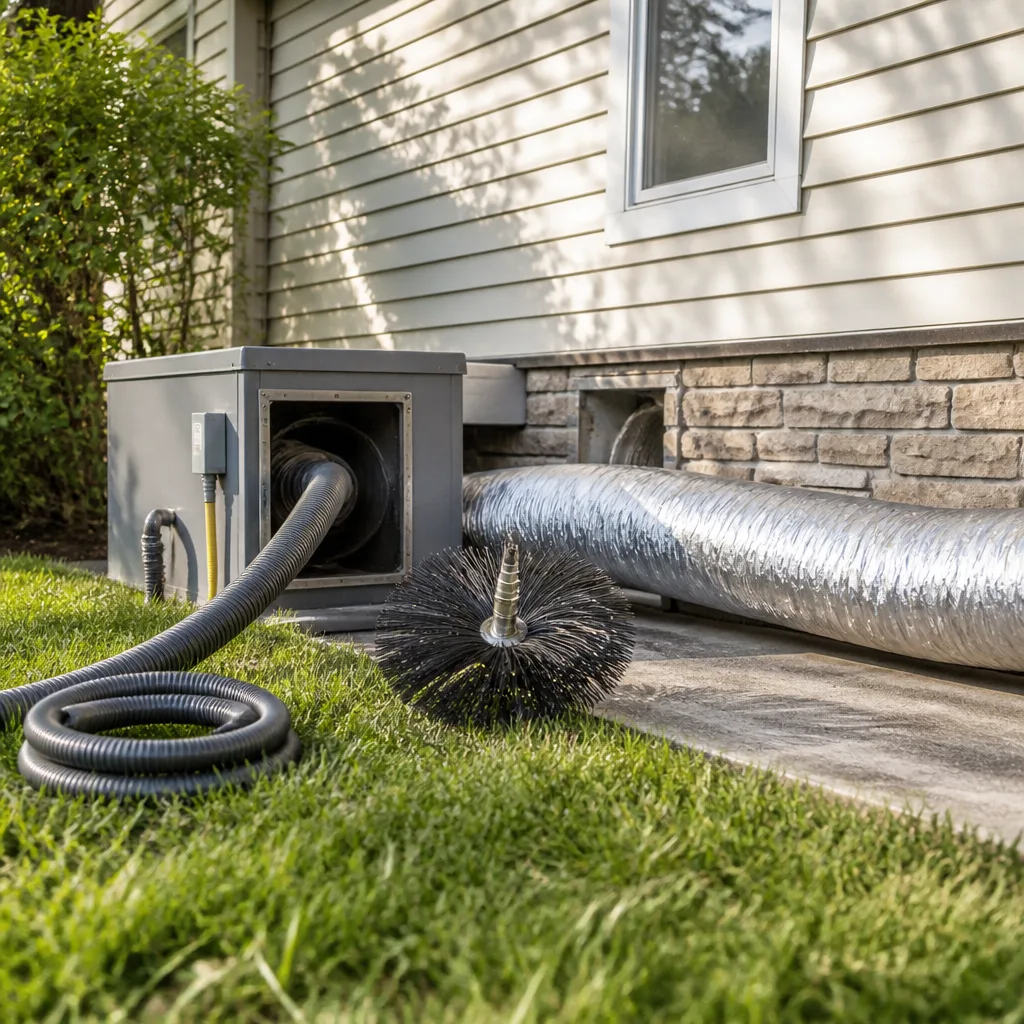 Whole-home duct cleaning
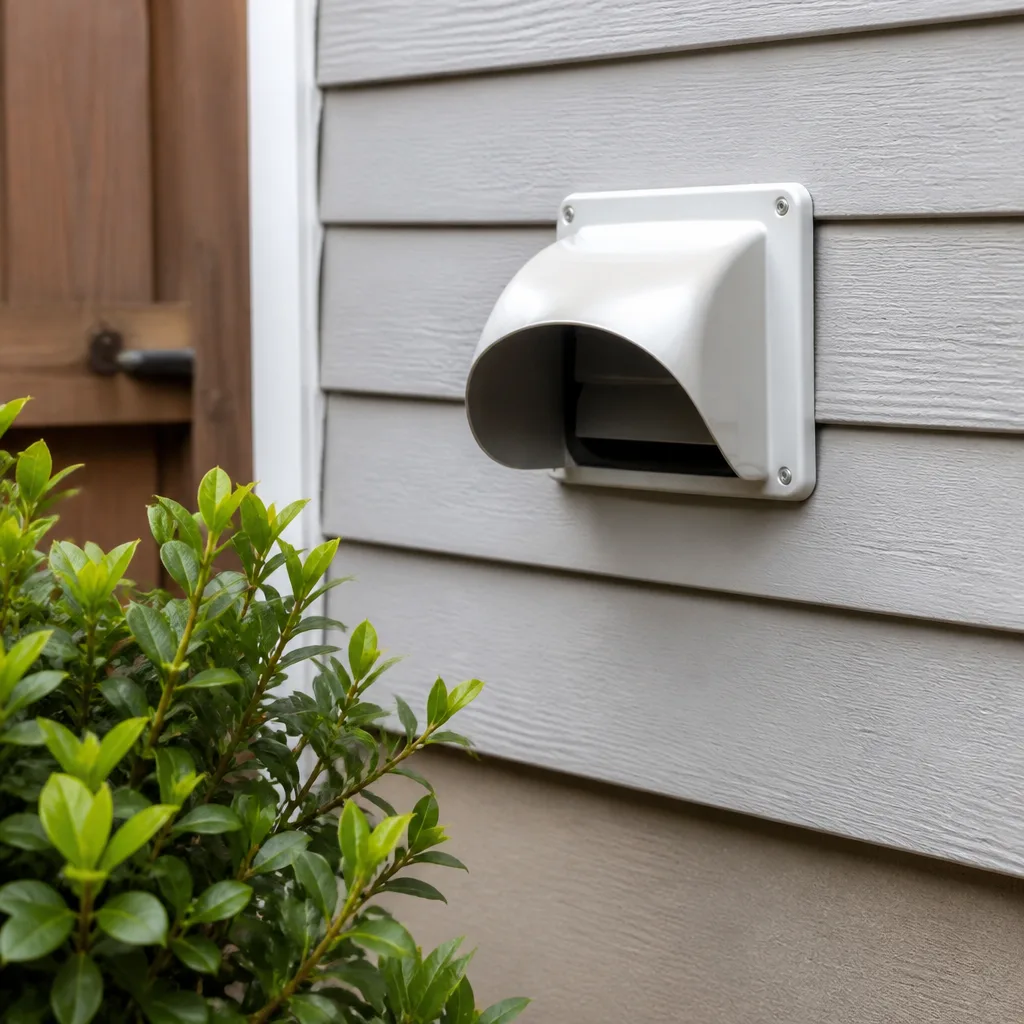 Dryer vent cleaning
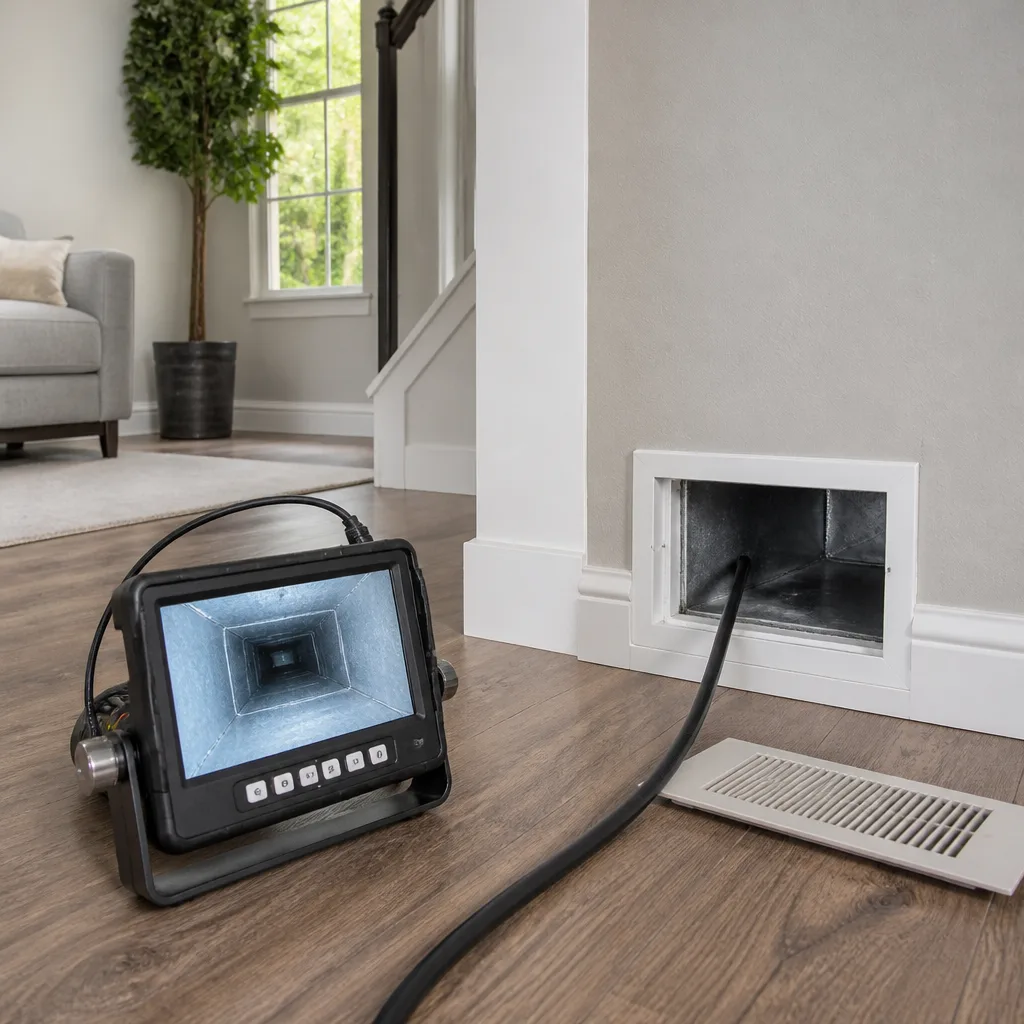 Camera inspection
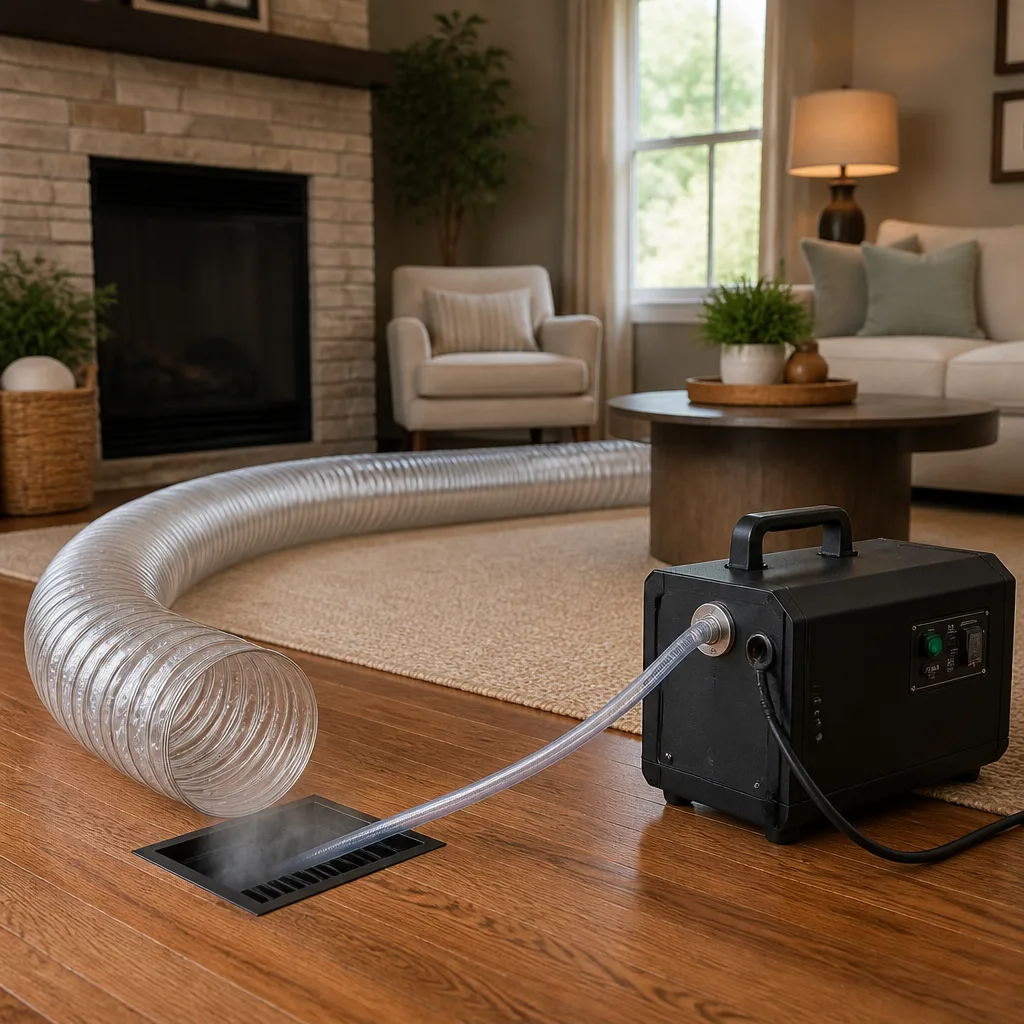 Sanitizing & deodorizing
Whole-system duct and dryer vent check with before-and-after photos - you see exactly what came out of your vents
That "$99 whole-house special" is a bait ad - the real number appears once they are in your hallway, or the "clean" is a shop-vac at the register. We photograph the inside of your ducts before and after instead.
Air Duct Cleaning Maintenance Checklist for Peoria Homeowners
If your maintenance checklist doesn’t mention your return air grilles after a dust storm, it wasn’t written for Arizona. Most duct care advice floating around online gets copied from generic HVAC manufacturer literature, and it assumes a climate with four seasons, steady humidity, and homes sealed tight all year. Peoria doesn’t work that way. Here, the dust season, the monsoon, and the long dry stretches between them each put different demands on a duct system. What follows is a checklist built around what you can actually see and reach as a homeowner, plus clear markers for when the job needs a specialist. You’ll learn a 10-minute monthly routine, a post-monsoon inspection, and how to log it all so a technician on the next visit has real information to work from.
Quick Answer
A practical air duct maintenance checklist for Peoria homeowners comes down to three layers: a monthly visual check of return grilles, supply registers, and filter fit; a seasonal inspection after monsoon season focused on moisture at duct joints; and a professional cleaning when filter loading rates or visible debris tell you it’s time. You can handle the first two without tools. The third is where commercial-grade equipment and someone who knows ductwork make the difference.
Styles & brands we work with
- Whole-home duct cleaning
- Dryer vent cleaning
- Camera inspection
- Sanitizing & deodorizing
Table of Contents
- Why Peoria’s Climate Changes the Duct Maintenance Calendar
- The 10-Minute Monthly Visual Inspection
- What to Look For When You Pull a Register Cover
- Tracking Filter Loading as a Duct Health Indicator
- The Post-Monsoon Checklist for Peoria Homes
- Building a Duct Maintenance Log
- What a Professional Cleaning Actually Involves
- Common Mistakes to Avoid
- When to Call a Professional
Why Peoria’s Climate Changes the Duct Maintenance Calendar
Duct systems in Peoria face conditions that most checklists never account for. The desert air is dry for most of the year, which means dust stays loose and mobile rather than settling and compacting the way it does in humid climates. Then monsoon season arrives, humidity climbs, and that same dust can become damp inside unconditioned spaces like attics. Add the temperature swing between a scorching attic and a cooled living space, and you have duct joints that expand and contract through a bigger range than most of the country sees.
That combination matters because it shifts what you’re watching for. In Peoria, the priority isn’t freeze protection or ice damming. It’s dust accumulation at return grilles, moisture getting into attic duct runs during the rainy stretch, and the way a clogged filter loads up faster when the system runs hard through the long cooling season. Understanding this is the foundation of the whole checklist.
Housing stock in Peoria adds another variable. Neighborhoods across the city include everything from newer construction in the Vistancia and Terrazas areas to established homes closer to Old Town Peoria. Newer homes often have tighter ductwork but filter bypass gaps where the filter doesn’t seat properly. Older homes may have duct runs in unconditioned attic space that have seen years of summer heat. Both are worth checking, just for different reasons. If you’re starting from scratch on understanding how your system is put together, it helps to review what air duct cleaning actually addresses before you build a maintenance habit around it.
The 10-Minute Monthly Visual Inspection
Once a month, walk your home and check three things. No tools, no ladder, no crawling into the attic. This routine catches most developing problems early, and it’s the single most useful habit in this whole guide.
- Return air grilles. Look at the large grilles where air gets pulled back into the system. Run your eye across the slats. A light, even coating of dust is normal. A visible mat of gray fuzz, or dust clinging in streaks rather than spreading evenly, tells you air is moving through a dirty filter or the grille itself needs attention.
- Supply registers. Check the smaller registers in each room where conditioned air comes out. With the system running, hold your hand a few inches away. You should feel steady airflow at every register. One that feels weak or barely moving while others are strong points to a duct problem worth noting.
- Filter bypass gaps. Open the filter slot and look at how the filter sits in the frame. The filter should fill the opening with no visible gaps around the edges. A gap lets unfiltered air slip past, which means dust reaches your ducts and coil even though you change the filter on schedule.
Log what you see each month, even if it’s “looked fine.” Patterns matter more than any single observation. A return grille that gets dirty faster than the others, month after month, is telling you something about airflow in that part of the system. We’ve seen this kind of simple record save homeowners from guessing when they finally do call a specialist. A monthly check on a Peoria home also gives you a baseline for the bigger seasonal inspection below.
What to Look For When You Pull a Register Cover
A few times a year, pull a register cover off and look inside with a flashlight. How the dust sits on the inner surfaces tells you more than the dust amount alone.
- Even, thin, uniform dust. This is normal accumulation. Any duct system running through a dusty climate will show it. Note the date and move on.
- Streaking or dust pulled toward one side. This pattern suggests air is entering from an unexpected direction, often because of a gap, a loose joint, or a partially dislodged duct connection. It’s worth flagging for a technician.
- Dark, discolored patches or damp-looking residue. That’s a moisture indicator, not a dust one. In an attic duct run, it can point to condensation or intrusion during the humid stretch. Don’t clean it and forget it; get it looked at.
- Debris that isn’t dust. Bits of insulation, drywall dust from a renovation, or pest evidence are all reasons to call rather than vacuum from the grille yourself.
Discoloration patterns are often the most useful thing a homeowner can report. A technician who knows that one register showed streaking and another showed even dust can tell a lot about the system before pulling a single panel. If the cover itself is the only thing that looks bad, a basic cleaning is usually all it needs. If you’ve never had the ducts looked at, this is a good moment to understand how routine Duct Cleaning Peoria works and what it covers.
Tracking Filter Loading as a Duct Health Indicator
Your filter is a free diagnostic tool if you pay attention to it. The rate at which it loads up tells you something about how much debris is entering the system, and how clean the ductwork behind it stays between professional visits.
Here’s how to use it. Note the date you install a new filter, then check it every two to four weeks. The loading rate you observe is your baseline. A filter that loads slowly through the dry months but clogs within a couple of weeks after a dust storm is behaving normally for Peoria. A filter that starts loading much faster than your own baseline, month after month, is the signal. It usually means more dust is getting into the return side of the system than before, either from a bypass gap, a dirty return run, or a duct leak pulling unfiltered attic air.
There’s a second thing to watch: how evenly the filter loads. A filter that goes dark on one side or in a single corner while the rest stays clean suggests air is entering the filter housing unevenly. That’s the same gap problem the monthly inspection catches, just seen from a different angle.
Tracking this turns an invisible system into a measurable one. Rather than guessing whether your ducts are getting dirty, you have the loading rate as a real indicator. When your own numbers drift, you know to schedule a checkup rather than waiting for a smell or a complaint. That’s the difference between reactive cleaning and maintenance, and it’s a habit that pays off over the years in any Peoria neighborhood.
The Post-Monsoon Checklist for Peoria Homes
Monsoon season is the one stretch where moisture, not dust, is the bigger concern. When the rains pass, do a walk-through with attention to the duct runs in unconditioned space. You can do the accessible parts; leave the attic itself to someone used to working there.
- Check the accessible insulated duct runs. Where duct wrap or flex runs are visible in a garage or utility space, look for sagging, condensation, or a wrap that’s pulled loose. These indicate moisture has been present.
- Look for water marks near ceiling registers. Any ring, stain, or bubbling on the ceiling around a supply register is worth noting. Take a photo and record the date and location.
- Smell the registers after the rains. A musty or damp-earth smell at a register after the humid stretch is a moisture signal. Don’t mask it with air freshener; note it and get the system checked.
- Note any humidity complaint in a specific room. A room that feels clammy while others are comfortable may have a duct problem in the attic run feeding it, or a loose joint.
- Re-check filter loading after the storms. Compare the post-monsoon loading rate to your baseline. A jump in load after rain is a sign debris or moisture moved through the return side.
Recording these observations gives a technician exactly what they need to inspect the right run first instead of running through the whole system blind. Attic duct joints in Peoria attic spaces see real heat, and heat plus seasonal moisture is where problems start. If your attic run has a visible issue, Peoria homeowners can get it looked at before the next cooling season stresses the system again.
Building a Duct Maintenance Log
Keep a simple log in a notebook or a notes app, and you’ll have a record that a professional can actually use. It doesn’t need to be complicated. Here’s the structure we recommend:
- Date and location. Note each entry with a date and which grille or register you checked.
- Filter changes. Record the date you swapped the filter and how loaded the old one was, on a simple scale from light to heavy.
- Airflow observations. Note any register that felt weak or inconsistent, even if the note is “same as last month.”
- Discoloration and streaks. Note the location and what you saw. Photos are worth more than words here.
- Professional visits. Record the date and what the technician serviced, so you’re not guessing next time.
A good technician will reference this at the start of a visit. It saves time on the walk-through, points to the right zones first, and makes the difference between a thorough inspection and a rushed one. It’s one of the simplest steps in this whole guide, and the one most homeowners skip. If your log shows a recurring airflow problem in one room, that’s a strong signal for a dedicated check. And if the log eventually shows physical damage at a joint or a crushed section of duct, that’s a job for air duct repair before cleaning, not after.
What a Professional Cleaning Actually Involves
Understanding what a full cleaning looks like helps you tell a proper job from a quick one. A real cleaning focuses on the whole system: the return and supply runs, registers, grilles, the air handler, and the plenum and coils where dust collects. A good technician uses negative pressure to pull debris out of the system rather than blowing it into your living space, then uses a mechanical brush and vacuum with enough reach to clear the full length of each run. That’s the difference between a $99 special that vacuums grille faces and a full-system service.
In our experience, the equipment matters more than most homeowners realize. We work with commercial-grade Rotobrush and Nikro duct cleaning systems, the same hardware remediation and commercial contractors rely on. For systems with mold, heavy debris, or post-construction soiling, we keep Abatement Technologies air equipment on hand, the kind of setup most residential cleaners don’t carry. We also stock and service Honeywell and Aprilaire indoor air quality products, so we can address air quality beyond the cleaning visit itself. Cleaning, repair, and air quality improvements come from one call.
During the visit you should expect before-and-after photos of your own ducts, not stock images. You should also expect the technician to point out anything they find, from loose joints to a bypass gap at the filter, so you can decide whether a repair is worth scheduling next. Call (844) 834-5310 for a free estimate. We answer 24/7. Fast dispatch from 7am to 7pm, Sunday through Friday, closed Saturday.
Common Mistakes to Avoid
- Only cleaning the grille faces. Vacuuming visible grilles leaves the interior of every run untouched, so the dust that actually circulates stays put. The points of contact are inside the system, not on the surface of the register.
- Ignoring return grilles after a dust storm. In Peoria, the return side takes the heaviest load during dusty stretches. A quick check after each storm catches buildup before it migrates deeper into the system.
- Skipping the post-monsoon look at attic joints. Moisture entering a duct joint in an unconditioned attic space is easy to miss from inside the house. That seasonal check is one of the few ways a homeowner can catch it early.
- Buying the cheapest quote without asking what’s included. A per-vent price that sounds low often covers only the surface. Ask whether the quote includes the air handler, the plenum, and negative-pressure extraction, and whether you’ll get before-and-after photos of your own system.
- Letting a filter bypass gap go unrepaired. A filter that doesn’t seat properly lets unfiltered air through no matter how often you change it. Fixing the gap often does more for duct cleanliness than switching to a thicker filter.
- Cleaning a damaged duct without repairing it first. A crushed or disconnected run will just fill up with dust again within weeks. A specialist who can repair the duct as part of the job saves you a second visit.
- Not keeping a log. Without a record of what you saw and when, you’re back to guessing. A log of monthly observations and professional visits is the backbone of the whole checklist.
When to Call a Professional
Some signs call for a specialist rather than a homeowner check. If your monthly log shows a return grille loading far faster than the others, or a register that’s been weak for several visits in a row, have it inspected. If you see streaks, dark patches, or damp residue when you pull a register cover, or you notice a musty smell at a register after the rains, get it looked at; that points to moisture inside a duct run. Post-renovation dust, pest evidence, or visible damage at a joint are all reasons to call as well. Duct Cleaning Peoria offers free estimates in Peoria. Call (844) 834-5310. We answer 24/7. Fast dispatch from 7am to 7pm, Sunday through Friday, closed Saturday.
See the difference
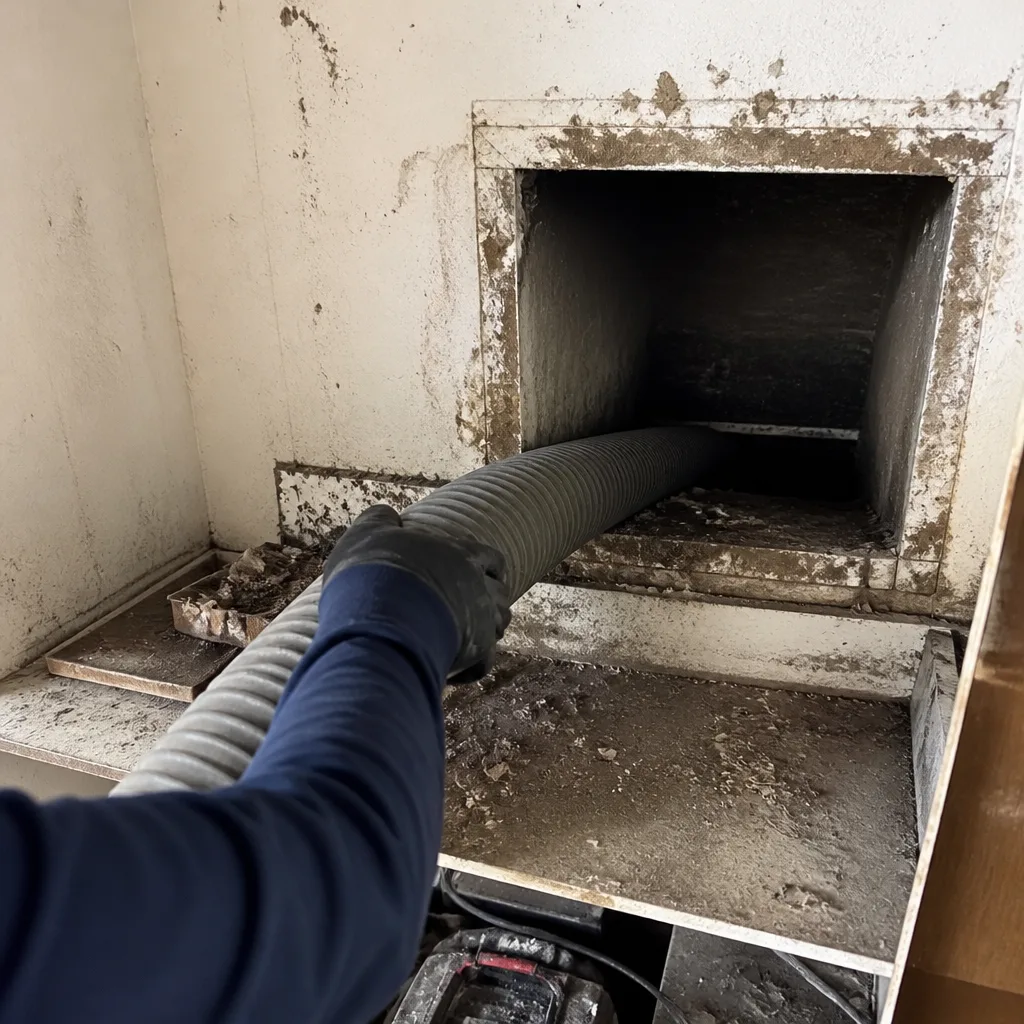 Before
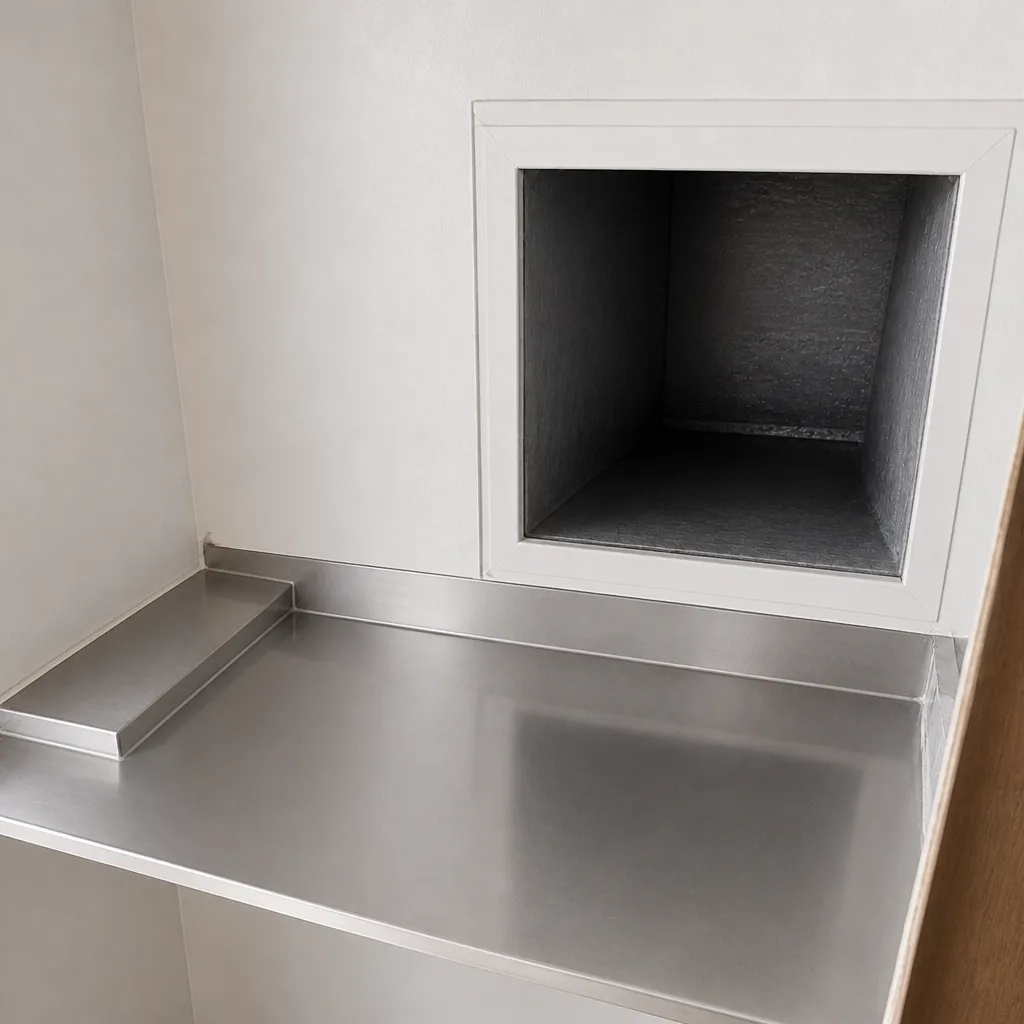 After
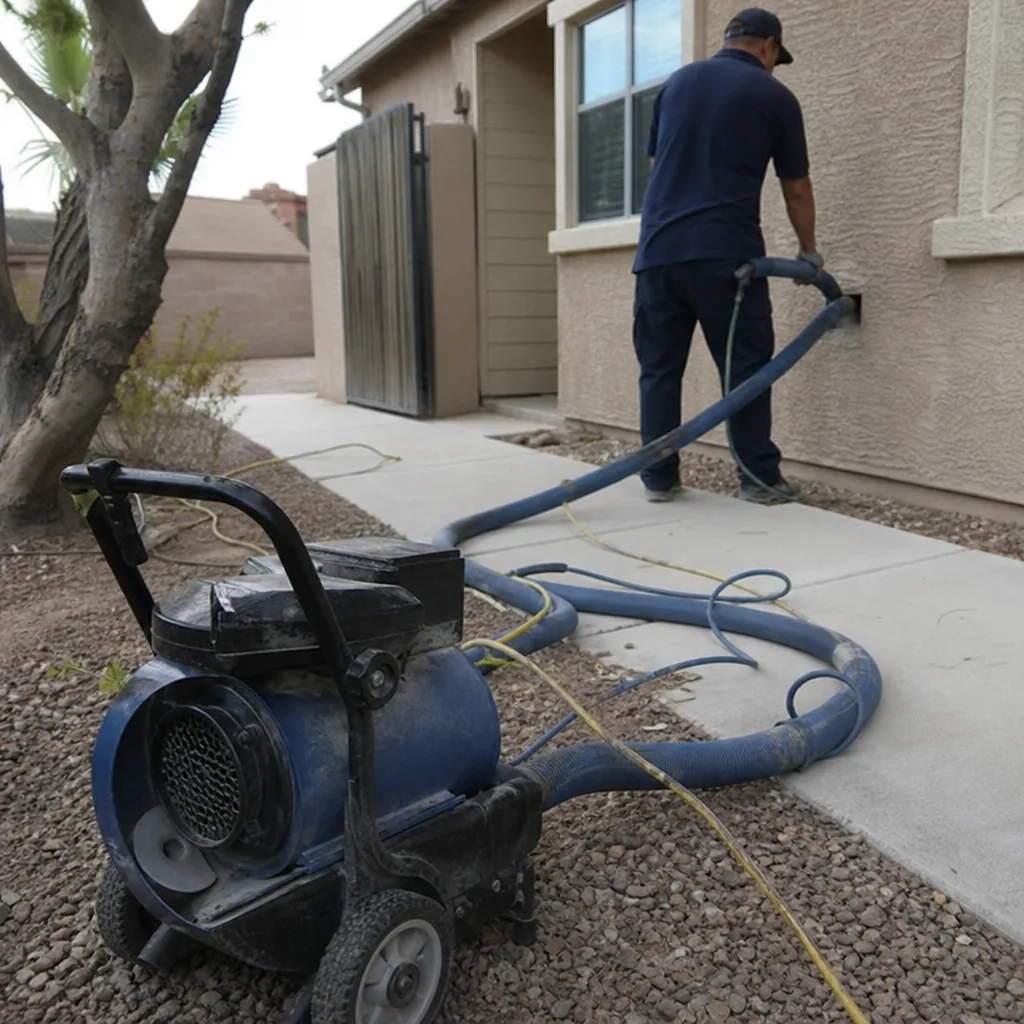 Before
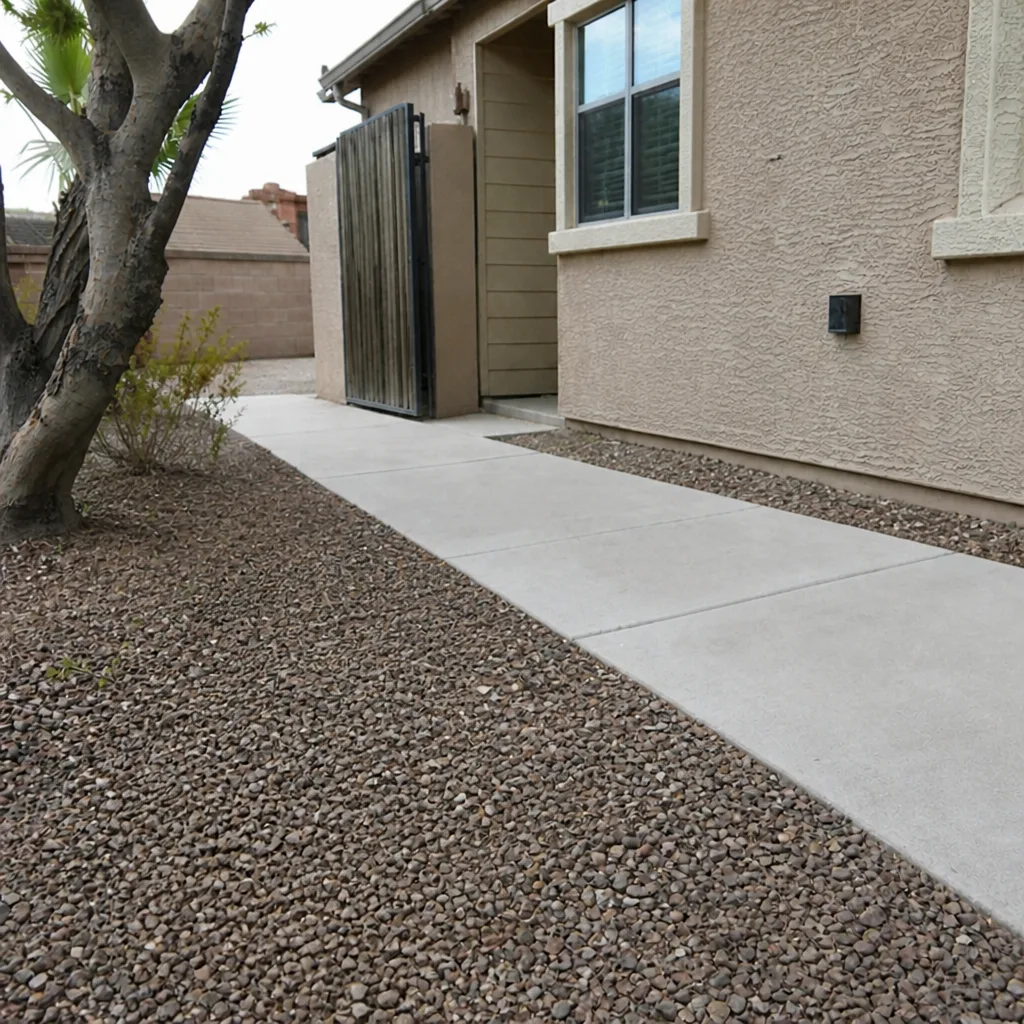 After
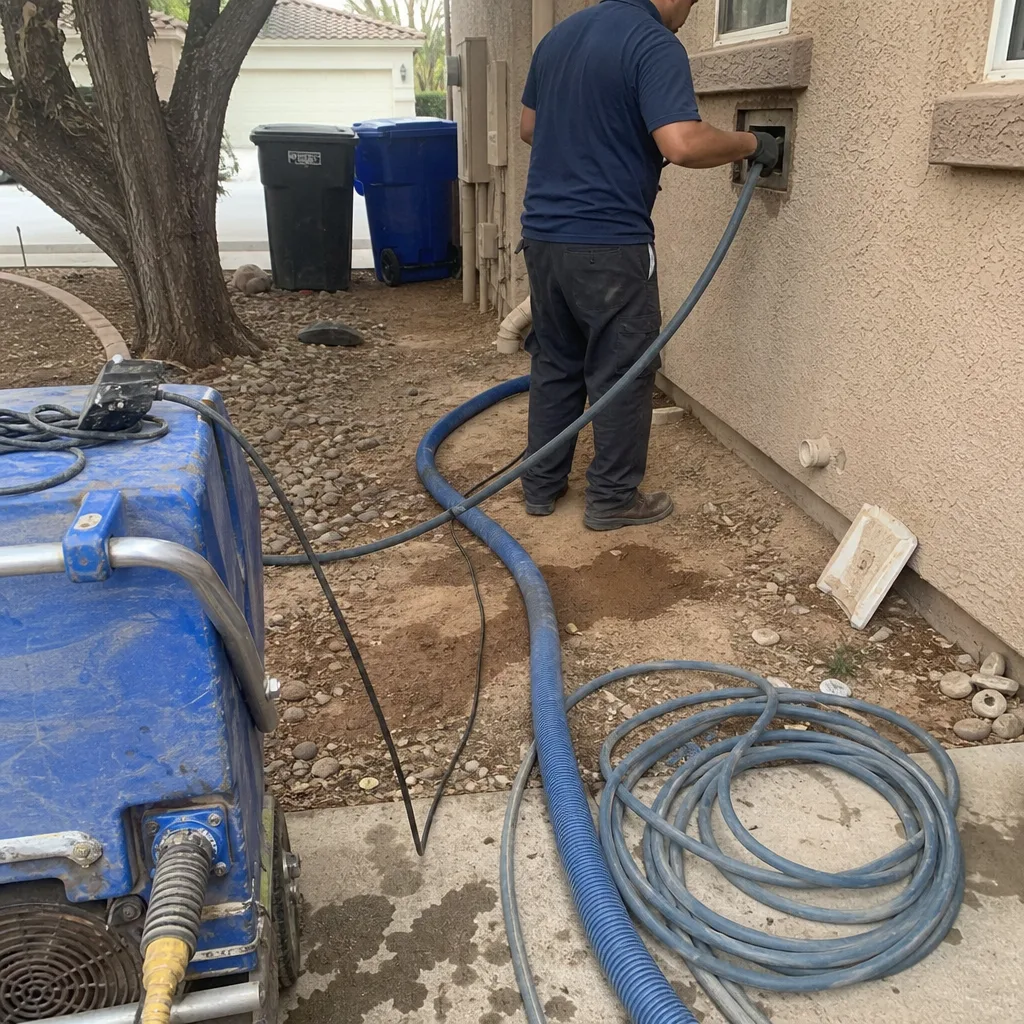 Before
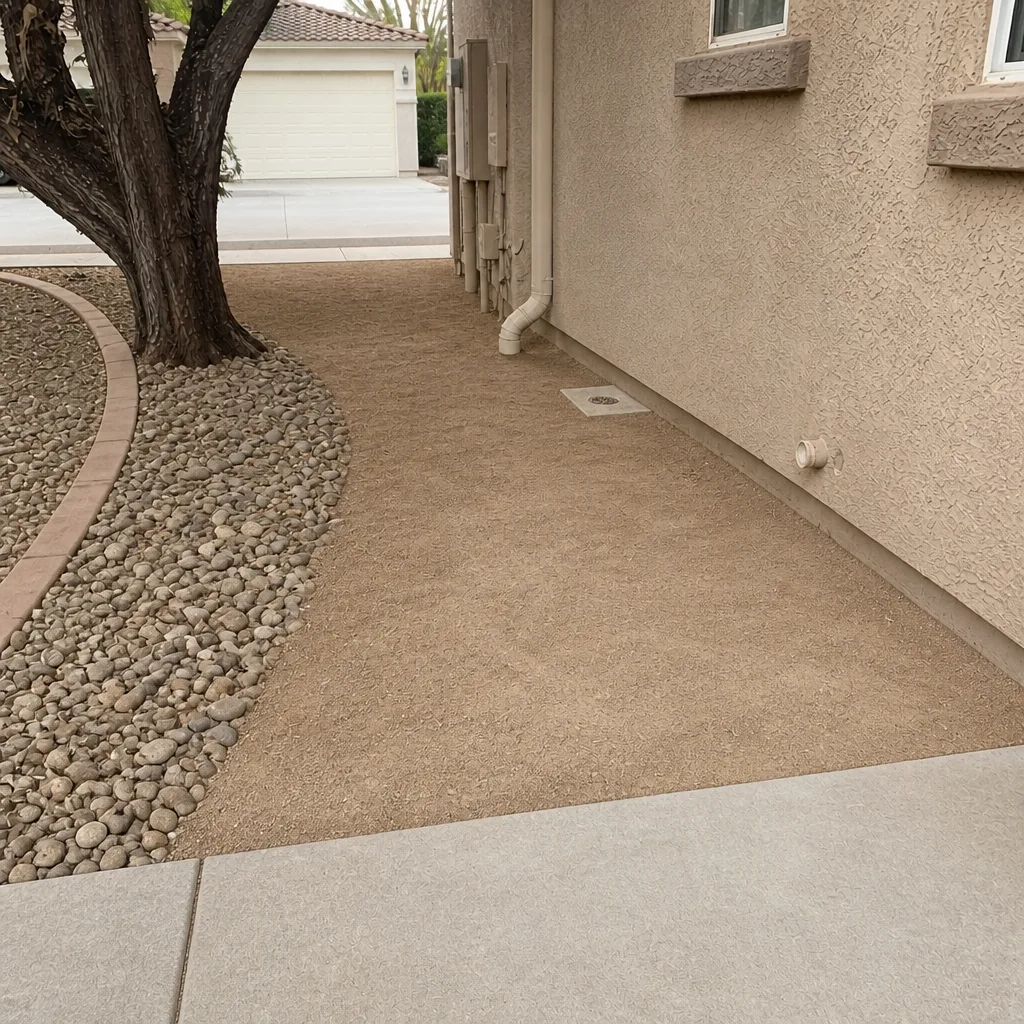 After
Frequently Asked Questions
Most Peoria homes benefit from a full professional cleaning every three to five years, though dusty conditions and a high-filter-loading rate can shorten that. Use your monthly log and filter loading rate as the real signal rather than a fixed calendar. If your filter starts loading much faster than your own baseline, that’s a reason to schedule a check. Call (844) 834-5310 for an exact quote; estimates are free.
Check return air grilles for streaks or heavy dust, supply registers for steady airflow, and the filter slot for bypass gaps. It takes about 10 minutes and needs no tools. Log what you see each month so you can spot patterns. If something looks off, call (844) 834-5310 for a free estimate.
A faster-loading filter after the rains usually means more debris or damp dust has moved through the return side than during the dry stretch. Check the accessible duct runs for moisture, note any ceiling stains near registers, and compare the post-monsoon loading rate to your baseline. If the jump is large or repeats, schedule an inspection. Call (844) 834-5310 for an exact quote; estimates are free.
No. A shop vacuum can reach the grille face, but it can’t clear debris from the full length of each duct run or the air handler. Effective cleaning needs negative-pressure extraction and a mechanical brush with enough reach to clear the system, which is why we use Rotobrush and Nikro systems. Call (844) 834-5310 for a free estimate.
A filter bypass gap is a space around the filter in its slot where air slips past without being filtered. Even a good filter can’t clean air that never passes through it. Fixing the gap is one of the simplest improvements you can make, and your monthly inspection is where you catch it. Call (844) 834-5310 for an exact quote; estimates are free.
Ask for before-and-after photos of your own ducts, not stock images, and expect a walk-through of what the technician found. A proper job focuses on the return and supply runs, the plenum, and the air handler, not just the grille faces. If the job included a repair, you should see the repaired joint and hear what was done. Call (844) 834-5310 for a free estimate.
The Bottom Line
A duct maintenance checklist for a Peoria home works best when it’s built around what you can actually see and record. The monthly 10-minute walk checks return grilles, supply airflow, and filter fit. The post-monsoon sweep looks for moisture in accessible attic runs and ceiling stains near registers. Your filter loading rate, tracked against your own baseline, is the best indicator of whether the system is drifting dirty. Keep a log, and you’ll always know when it’s time for a real cleaning. When it is, call a specialist who uses commercial-grade equipment and can repair what they find. Call (844) 834-5310 for a free estimate. We answer 24/7. Fast dispatch from 7am to 7pm, Sunday through Friday, closed Saturday.
Written by the team at Duct Cleaning Peoria.